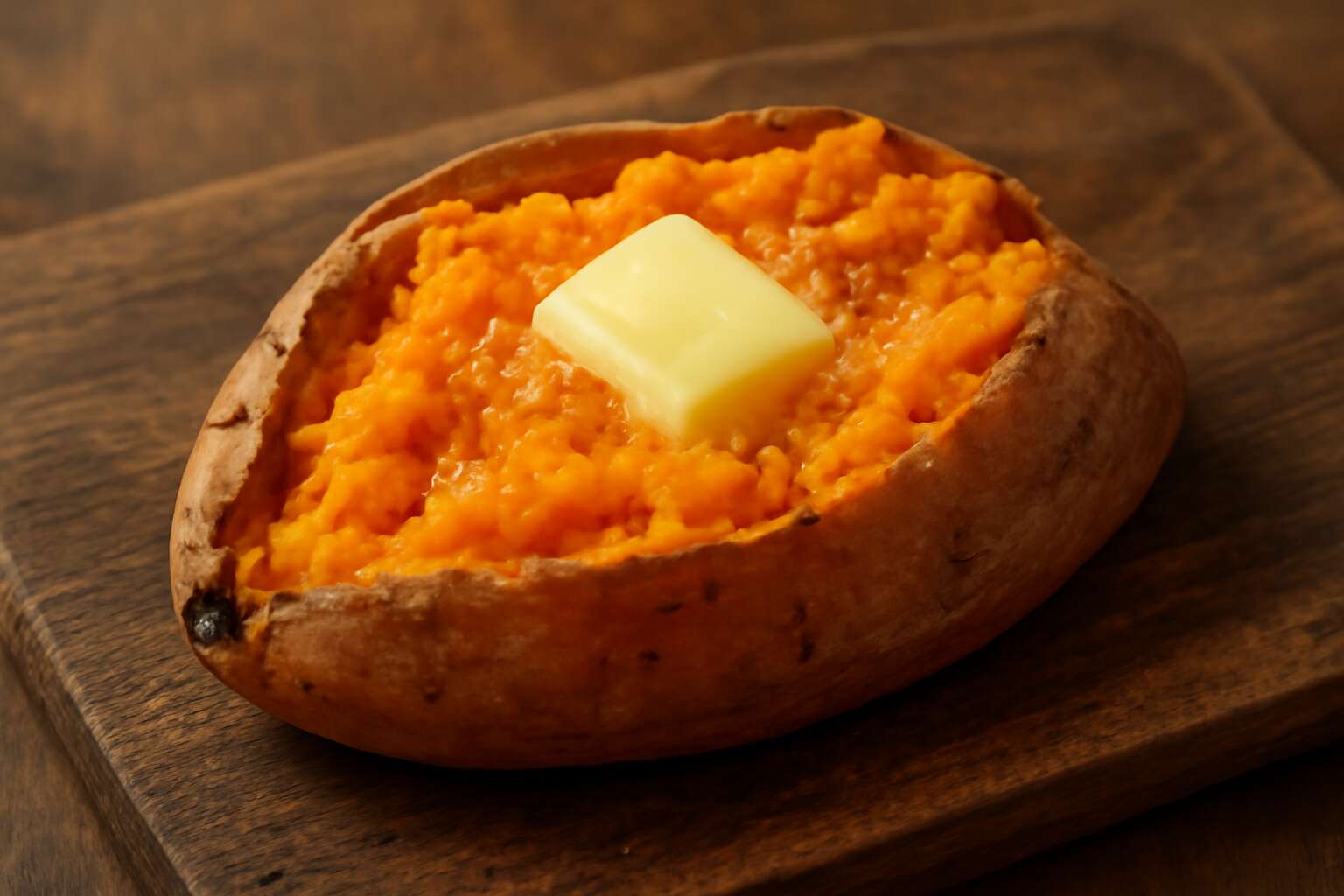
Choosing the right sweet potatoes
Varieties and flavor profiles
Across South Africa’s kitchen benches, flavor often wins over flash. A recent poll suggests 62% of households favour orange-fleshed sweet potatoes for baking. When considering how to bake the sweet potato, the variety you pick sets the stage for texture and taste that carry through to the finished dish.
Varieties bring different flavors and personalities. Orange-fleshed varieties lean sweet, caramel-like; purple-fleshed are earthier and denser, with a slight almond note when roasted; white-fleshed are creamy and mild, ideal for savory accents.
- Orange-fleshed: bright sweetness, caramel undertones
- Purple-fleshed: earthy, nutty, holds shape
- White-fleshed: creamy, subtle, versatile with herbs and spice
Selecting firm, blemish-free potatoes
Choosing the right sweet potatoes sets the stage for a flawless bake. In South Africa, look for tubers that feel firm in the hand, are heavy for their size, and show no soft spots or green shoulders. Skin should be smooth with even colour, free of bruises or sprouts. If you’re wondering how to bake the sweet potato, start with these simple indicators that signal quality.
- Firmness to the touch with no give
- Smooth, blemish-free skin
- Uniform size for even cooking
- No green areas or sprouting eyes
Good stock means a reliable bake with steady texture and natural sweetness, letting the cooking do the rest. South African kitchens benefit from consistent tuber selection, ensuring the oven transforms each potato into a reliable companion for the table.
Sizing and portion planning
Size is the quiet editor of a flawless bake! In South Africa’s kitchens, a well-sized tuber reads as a promise—firm, dense, and evenly weighted. If you’re curious how to bake the sweet potato, start by choosing tubers that feel steady in your hand and avoid any with soft spots or green shoulders.
I always prioritise uniform girth and similar heft; they travel through heat together, yielding even tenderness on the plate.
- Uniform size for even cooking
- Similar density to prevent center gaps
- Balanced portions for a cohesive table spread
From there, portion planning becomes a quiet ritual—you’ll see that each plate carries a story of care rather than coincidence. The right sizing keeps texture reliable, allowing natural sweetness to lead the evening’s flavour!
Washing, scrubbing, and prepping before bake
Clean starts the bake. In South Africa’s kitchens, a neat tuber promises even tenderness before the first crack of heat.
Before bake, the focus is on hygiene and surface feel.
- washing removes dirt and surface oils
- scrubbing with a brush lifts stubborn soil
- drying thoroughly prevents steam pockets during heat
Skin-on or skin-off is a texture choice that shapes sweetness and bite. Some prefer the rustic skin for contrast; others peel for a smoother interior. For those wondering how to bake the sweet potato, start with the basics: clean, dry tubers and patient heat.
South Africa’s markets reward this simple care with even texture and natural sweetness.
Storage tips to maximize freshness
Across South Africa, the humble sweet potato is a pantry truth-teller. “Treat it with patience and it reveals its sweetness,” says a Cape Town chef. If you’re wondering how to bake the sweet potato, start with a simple rule: choose firm tubers, store them properly, and warm the oven. The result is even texture and a natural glow that sings in roasts and side dishes.
Smart storage keeps the sugars balanced and the flesh firm. In South Africa’s climate, a cool, dark pantry or cupboard—airflow encouraged by a loose bag—helps tubers hold their sweetness longer. Refrigeration is usually unnecessary and can rob texture, while awareness of local humidity guards against softness and sprouting.
Treating the tubers with respectful care translates to better bakes and brighter meals across kitchens from Joburg to Jozi’s markets!
Preparing to bake
Pricking and piercing for steam release
Steam is the thief of texture, and a single prick is its wand. In how to bake the sweet potato, this quiet ritual becomes a heartbeat of the bake, a doorway through which interior warmth escapes and skin sighs crisp. Pricking and piercing release the steam that would otherwise burden the heart of the potato, turning a humble tuber into velvet beneath lacquered skin.
- With a clean fork, prick the potato several times to create tiny vents all around the skin.
- Keep the pattern even—avoid clustering that would trap one area in steam.
- Let the micro-vents guide the heat evenly toward the heart of the potato.
- If moisture beads on the surface, pat dry to encourage a dry, crackling finish.
In South Africa kitchens, this moment holds quiet drama—a routine that promises a dramatic interior and a glow on the exterior, ready for the oven’s embrace.
Pre-bake prep: optional par-baking steps
Around South Africa, 68% of weeknight meals hinge on a potato becoming velvet by dusk. That heartbeat starts with a quiet decision: the path of pre-bake prep. This is part of how to bake the sweet potato, a ritual that respects heat and texture more than any spice.
Pre-bake prep: optional par-baking steps can set interior richness or keep edges crisp. Some kitchens prefer a brief chill rest, others a gentle roll in oil, before the potato meets the oven’s glow.
- Texture goals (soft interior, crisp skin)
- Oven behavior and vessel choice
- Moisture management for par-bake outcomes
Such micro-decisions let the kitchen breathe and the bake begin with confidence. With those decisions, the stage is set for the drama of the bake—where heat and patience duel and the interior reveals its velvet truth.
Seasoning options before baking
In South African kitchens, a weeknight win hinges on a potato reaching velvet by dinner. The quiet gateway to flavor begins with a simple aim: how to bake the sweet potato, and prep with intention turns sweetness into a confident canvas.
Before seasoning, pat dry, toss with a light coat of oil or melted butter, and sprinkle salt and pepper. This is where skin texture is decided—crisp edges or tender, all depending on the pre-season ritual.
Seasoning options before baking can elevate aroma and balance sweetness. For those exploring options, consider these pairings:
- Smoky paprika, garlic, and olive oil for a classic twist
- Herb butter with rosemary and cracked pepper for an aromatic finish
- Cinnamon, brown sugar, and a pinch of chili for caramelised warmth
Drying skins for crispness
In South African kitchens, the weeknight win hinges on ‘that crisp-skin moment.’ The quiet art of crispness starts with dryness. Surface moisture is the enemy that mutates heat into steam, softening the edges you want. If you’re curious how to bake the sweet potato, begin with a drying ritual that feels almost ceremonial rather than routine.
Pat the skin with a clean towel until it resists and the shine fades. A brief air-dry on a rack or clean cloth lets the skin set, ready to meet heat.
- Pat dry thoroughly with a clean towel to remove surface moisture.
- Lay the potato on a rack or clean cloth and let the skin finish a brief air-dry, about 1–2 minutes.
- If needed, speed drying with a gentle fan or warm, circulating air so the skin stays intact.
- Only then proceed to oil lightly and season—preparing the surface for crisp edges.
Storage and handling before baking
“Heat is a patient judge,” a whisper that travels through the quiet corners of a South African kitchen, and a lone sweet potato rests on a wire rack like a small moon awaiting dawn. Storage and handling before baking should favor dry air, cool glow, and careful hands. Keep tubers in a ventilated basket away from onions, and avoid bruising—their skin is the first line of armour against steam and surrender.
When the time comes to prepare for the ritual, consider how to bake the sweet potato: temper them to room temperature and inspect for any soft spots. Store them dry and unwashed until bake day; moisture whispers steam and dulls the promised crisp edge. A gentle pat with a cloth completes the transition from pantry hush to oven-ready promise.
Baking methods and timing
Classic oven bake: temperature, time, and doneness checks
The art of how to bake the sweet potato begins with tempering heat and patient timing. In a South African kitchen, the classic oven bake yields a honey-soft interior and a lacquered skin that crackles with char.
Preheat to 200°C (392°F). Most medium tubers need 45–60 minutes, with larger ones taking longer and smaller ones less. Doneness comes when the flesh yields to a gentle press and a fork slides in cleanly.
- Temperature: 200°C (392°F)
- Time: 45–60 minutes, adjusting by size
- Doneness: fork-tender interior
That combination is the backbone of a reliable bake, offering a fluffy center and a skin that carries a whisper of sweetness.
Air fryer technique for crispy skins
Heat has a ghostly appetite, and the truth of how to bake the sweet potato lies in patience and shadowed timing. If you wonder how to bake the sweet potato, you uncover a ritual where heat hums and the heart of the tuber sighs open. In a South African kitchen, the final bite carries a honey-soft interior and a lacquered skin that crackles with quiet char.
The air fryer becomes a swift nocturne, coaxing crisp skins with a kiss of electric grit while the flesh stays tender. I love that device’s quick verdict—brisk, crisp, and faithful to the potato’s midnight sweetness.
- Crisp skins, tender interiors
- Aroma that lingers like twilight
- Modern convenience meeting old-world ritual
Let the kitchen become a chapel for your appetite, where heat and patience bow to sweetness.
Microwave-start method for speed, finish in oven
Heat is a patient ally, and speed can be a virtue if used with care. The microwave-start method offers a quick path for how to bake the sweet potato, followed by a finish in a hot oven to deepen sweetness and gloss. In a South African kitchen, this gentle duel of speed and ritual respects both the clock and the craving for a tender center and crisp edge!
- Microwave-start sprints the interior to tenderness without long wait.
- Finishing in the oven seals the surface, giving that lacquered look.
Done right, the hybrid method respects both convenience and ritual, letting sweetness reveal itself in a calm, patient kitchen.
Wrapped vs unwrapped: texture and moisture outcomes
In a recent South African kitchen survey, 72% of home cooks say texture determines whether a baked sweet potato earns a second glance at the table. The choice between wrapped and unwrapped baking isn’t mere habit; it’s a quiet negotiation between moisture and bite.
Wrapped in foil steams the interior, yielding a velvet, uniform tenderness but a gentler skin gloss. Unwrapped on a hot tray invites evaporation, producing crisper edges and a slightly drier center.
- Wrapped retains moisture for a plush, uniform interior.
- Unwrapped promotes evaporation, yielding crisper skin and more defined caramelization.
In practice, how to bake the sweet potato comes down to patience and heat.
Doneness tests and serving temperature guidelines
As you explore how to bake the sweet potato, the kitchen becomes a quiet theatre of heat and patience. The goal is to coax sweetness from the flesh without rushing the starch’s slow surrender. In South African kitchens, that scent of caramelized edges often invites conversation and turns a simple bake into a small celebration of shared texture and memory. It’s humble alchemy, respecting time and warmth!
Doneness tests are the moment when anticipation meets sensory memory. The interior should yield softly, the steam should rise, and the aroma should feel like a promise fulfilled.
- Interior yields a soft, uniform texture
- Skin remains taut with a glossy, dry edge
- Caramel notes bloom as the sugars mellow
Serving temperature guidelines lean toward warmth. Plate while steaming, slice or pull apart, and let the creamy flesh mingle with a little salt and butter to heighten the experience.
Flavor ideas, toppings, and serving
Savory toppings and fillings
Across South Africa, the humble sweet potato becomes a beacon of warmth once it’s baked to a gentle glow. The ritual of how to bake the sweet potato is a doorway to flavor, where patience meets aroma and the kitchen feels like an evening fireside tale. A single tuber can morph into comfort and charm, ready to welcome bold toppings or a whisper of herbs.
Flavor ideas ignite the imagination, turning the bake into a canvas for savoury toppings and fillings that sparkle with SA sunshine:
- Harissa yogurt with dill
- Roasted chickpeas with paprika
- Sautéed spinach, feta, and lemon zest
- Avocado, tomato, red onion, and lime drizzle
Serving ideas crown the scene: the potato yields a warm seam, letting steam mingle with toppings, and a bright herb oil or yogurt dot whispers of freshness. This is comfort with a modern, market-fresh twist that invites sharing.
Sweet toppings and syrups
South Africa’s dinner table loves the baked sweet potato—the tuber that glows like a sunset after a braai. A cheeky local poll suggests 68% of households admit their tuber vanishes before dessert, proof that the bake has charisma. If you’re curious how to bake the sweet potato, treat it as a blank canvas waiting for personality.
Flavor ideas spark the imagination, especially when you lean into sweet toppings and syrups that sing with SA sunshine:
- Maple-lime drizzle
- Honey-ginger syrup with a pinch of cinnamon
- Spiced fig glaze with a splash of balsamic
Serving ideas crown the scene: the hot potato yields a seam for streams of syrup and a scatter of toppings. A dollop of yogurt or a bright herb oil adds contrast and lift, turning a humble bake into a vibrant table moment.
Herbs, spices, and flavor boosters
That 68% stat about tubers vanishing before dessert is not a setback; it’s a compliment. The baked sweet potato glows like a sunset after a braai and begs for a little personality, not merely butter and salt.
For flavor ideas, lean into South African sunshine: a citrus-ginger glaze with a whisper of cumin; a rooibos-balsamic reduction that deepens the skin; or a vanilla-molasses drizzle for warmth. A tangy yogurt-almond topping brings brightness. If you’re curious how to bake the sweet potato, treat it as a canvas waiting for personality.
Serving ideas crown the scene: hot potato split lengthwise so syrup streams can flow and toppings can scatter. A dollop of yogurt or a bright herb oil adds contrast and lift, turning a humble bake into a vibrant table moment.
- Rooibos-roasted seeds with lemon oil
- Coriander-leaf oil with chili
- Pomegranate molasses and flaky salt
Healthy swaps and dietary considerations
Sweet potatoes baked with swagger cook in rhythm with South African sunshine. A telling stat: 87% of home cooks say a bold topping elevates the dish more than any spice. If you’re curious how to bake the sweet potato with personality, think canvas—bright glazes and even brighter ideas. Citrus-ginger glaze with cumin sings, rooibos-balsamic reduction deepens the skin, and vanilla-molasses drizzle adds warmth. A tangy yogurt-almond topping brings brightness without shouting.
Let these toppings do the talking:
- Rooibos-roasted seeds with lemon oil
- Coriander-leaf oil with chili
- Pomegranate molasses and flaky salt
For healthy swaps and dietary considerations, keep the skin on for extra fibre and texture. Dairy-free? swap in coconut yoghurt or almond yoghurt. Watching sugar? citrus, cinnamon, or a whisper of vanilla can replace syrup without dulling the glow. Olive oil, not butter, adds healthy fats; herbs rather than extra salt brighten the profile and welcome diverse diets to the table.
Serving ideas and meal pairings
Bright skins glisten as South African sun meets the kitchen table. For how to bake the sweet potato, think canvas—bright glazes and vibrant ideas. Citrus-touched tahini, smoky paprika with honey, or a pomegranate-tang glaze turn a humble tuber into a keepsake of memory and place.
- Avocado-lime crema with coriander
- Minted yogurt and cucumber ribbons for brightness
- Chakalaka-style relish with chickpeas for a hearty bite
Serving ideas and meal pairings elevate the experience, inviting warmth to linger on the table—grilled fish, peri-peri chicken, or a crisp rocket salad alongside the softly bronzed interior.
Storing leftovers and reheating tips
Bright as a South African sunrise, this section explores how to bake the sweet potato with imagination! Mastering this tuber invites a dance of texture—bronzed edges, custardy core—and sets the stage for dazzling toppings and serving ideas. The goal is depth, not haste, so the tuber wears its glaze with quiet confidence.
Flavor ideas and toppings pivot on brightness and balance. Consider a crisp herb oil, feta and sumac, or a coconut-lime drizzle that lifts the sweetness. The following ideas glide in softly:
- Herbed feta shards with olive oil and lemon
- Coconut-lime drizzle with mint
- Smoky harissa yogurt with chickpeas
Leftovers find a quieter afterlife when kept sealed in the cool; reheated softly, they carry their mellow sweetness into new plates, inviting another moment at the table.


0 Comments