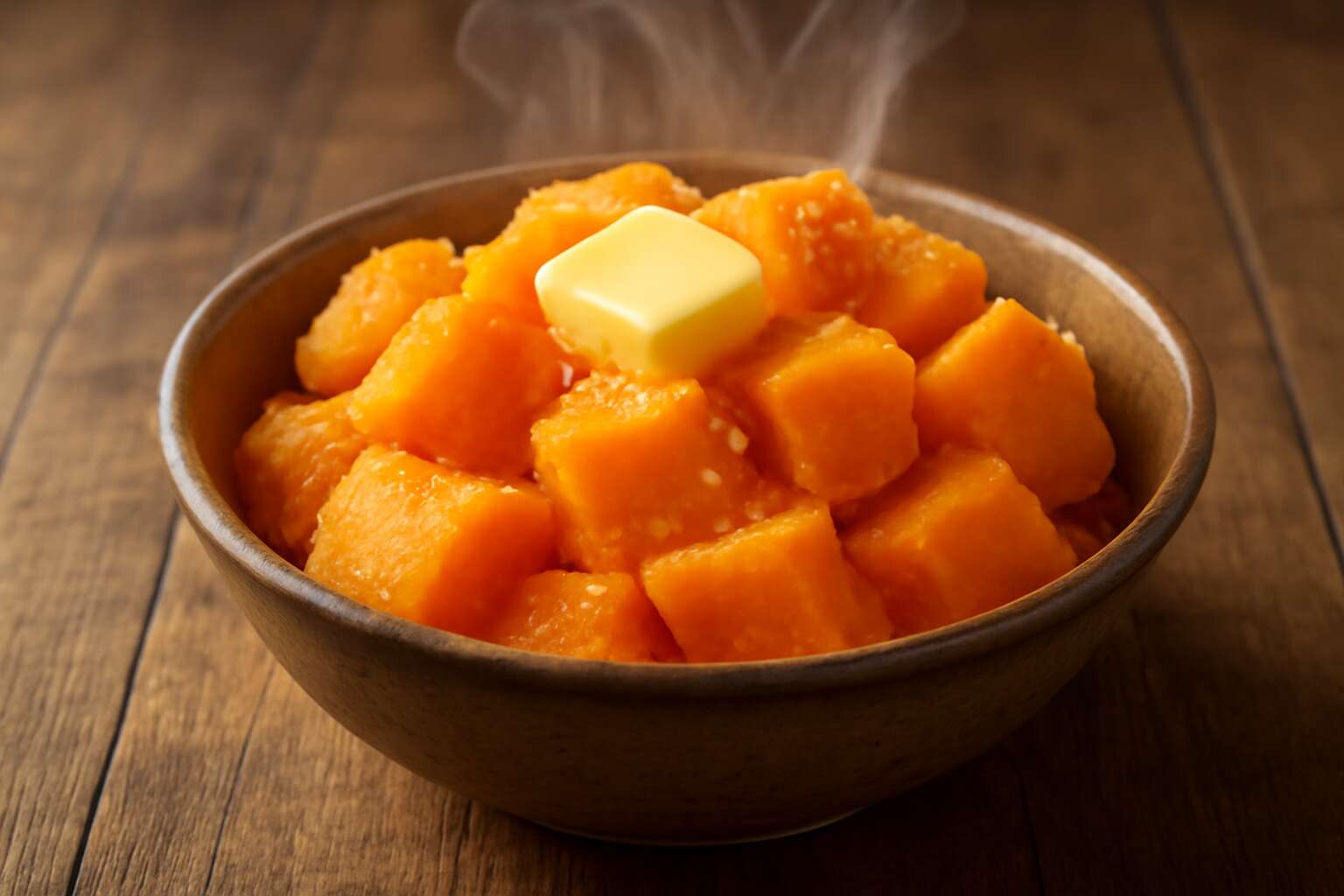
Overview of Boiled Sweet Potatoes
What is a boiled sweet potato?
In South Africa’s smoky kitchen, a simple pot hums with a hush of flame, and the boiled sweet potato arrives like a quiet omen. A staple of comfort, it glows with amber warmth and a patient sweetness that lingers long after the steam has vanished.
What is this tuber? It is a mature, orange-fleshed tuber simmered in water until tender, its sugars released into the broth of the day. Its skin softens, its flesh becomes velvety, and its flavor shifts from earth to velvet-sweet, carrying nutrition and a subtle caramel kiss that suits both rustic braais and refined plates alike.
- Texture: creamy and yielding
- Flavor: gentle caramel notes
- Versatility: pairs with herbs, citrus, and fats
Nutritional profile of boiled sweet potato
In South Africa, the humble boiled sweet potato is more than a side dish; it’s a vitamin-packed velvet bomb that turns a simple meal into a nourishing moment. Its beta-carotene glow translates into robust vitamin A support, while its gentle sweetness keeps energy steady without the sugar spike.
- Calories: about 90 per 100 g
- Carbohydrates: around 20 g, with fiber ~3 g
- Vitamin A: rich in beta-carotene
- Potassium: about 337 mg
Beyond the stats, this tuber adapts to South African flavors—chopped herbs, a squeeze of citrus, or a dab of olive oil; boiled sweet potato pairs with braai and stews, offering texture and nutrition in one unassuming, budget-friendly package.
Key uses and health benefits
In South African kitchens, the boiled sweet potato glows on the plate like a quiet sunrise, a pocket of comfort in a busy day. “Nourishment doesn’t shout; it braids your day with steady energy,” a local nutritionist reminds us, and this humble tuber answers with mellow sweetness and unassuming resilience!
Beyond its quiet charm, the tuber is a versatile ally in the pantry. It partners with braai shadows, stews, and herb oils, turning everyday meals into small, sunlit moments of warmth and reward.
- This staple anchors salads and bowls with ease.
- Its gentle texture carries herbs, citrus, and olive oil for depth.
- Fiber and natural sugars offer steady energy without spikes.
Boiling Techniques and Time
Choosing the right sweet potatoes for boiling
In South African kitchens, a quiet boil can coax sunshine from a humble tuber. Choosing the right sweet potatoes for boiling is half the magic: seek firm, medium-sized tubers with smooth skin and uniform shape, ensuring a consistent, silky boiled sweet potato texture across the pan.
Boiling becomes a listening art: let the water cradle the potato gently, not rage. Test for tenderness with a fork; avoid a chalky bite, then drain with care and embrace the steam that lifts the surface.
That tender, versatile flesh invites all manner of pairings, from citrus bright to smoky proteins. The boiled sweet potato stands as a simple, radiant canvas for everyday meals and celebratory plates alike.
Water, temperature, and boiling time
Patience is the simmer’s secret, and in a South African kitchen that truth shines through the quiet boil of a humble tuber. The boiled sweet potato becomes sun-warmed gold when water and heat move in harmony, a brief moment of alchemy that crowns ordinary meals with grace.
Water, temperature, and time are the quiet triad shaping velvet flesh. Let the surface breathe with a gentle simmer, a temperature just shy of a rolling boil. Three guiding cues emerge in the simmering moment:
- Gentle bubbles rise steadily, not furious.
- Aim for a near-simmer temperature around 90-96°C (195-205°F).
- Whole medium tubers commonly surrender in roughly 18-25 minutes; chunks finish sooner depending on size.
The result is a versatile canvas that partners with citrus, herbs, and smoky finishes, inviting your plate to glow with quiet confidence and southern sunlight.
Steam boiling vs simmering: which to use
Boiling techniques stand at a quiet crossroads, where steam and water trade secrets with a South African kitchen’s morning light. When it comes to boiled sweet potato, steam boiling and simmering each script a different fate for the tuber’s velvet flesh. I’ve found that steam breathes a tighter, more cohesive texture, while a gentle simmer lets the surface relax and the sugars unfurl. The choice becomes a small ritual, a decision that colors the plate before any herbs are summoned!
Two paths to flavor and tenderness, each with a different cadence:
- Steam boiling offers a compact, even texture and minimal water contact.
- Simmering delivers a forgiving, fluffy interior that takes sauces and citrus with ease.
Which to choose? It depends on the moment: steam for a firmer, polished bite; simmering for airy tenderness that welcomes citrus and smoke.
Testing doneness and avoiding overcooking
Boiling is a quiet theatre where water whispers and steam writes the script on the pot. For the boiled sweet potato, technique shapes texture more than clock time—gentle heat, a calm simmer, and the right amount of salt coax velvet through every fork-tender bite.
Time testing isn’t about chasing a clock but listening for tenderness. Seek a light resistance when pierced; nothing rubbery, nothing mealy. When the surface is set and the interior softly yields, release the steam and let a brief pause seal the structure.
Tiny choices shape the final bite: pot size, water depth, and the pace of heat all whisper to the tuber. Stand back, and the result will glow with velvet sweetness ready for plating.
Flavoring, Variations, and Pairings
Natural flavor boosters: salt, herbs, and spices
Fact: 3 in 5 South Africans reach for a boiled sweet potato at least twice a week, and it rarely disappoints. This unassuming tuber is a blank culinary canvas that begs for a little swagger when plated, even on a weeknight.
Flavoring is where the magic happens. Natural flavor boosters: salt, herbs, and spices are all you need to coax true sweetness from the boiled sweet potato. A pinch of flaky sea salt, a drizzle of olive oil, and a handful of fresh thyme can turn a plain tuber into a showcase side.
- Chopped coriander and lemon zest
- Smoked paprika with garlic butter
- Chili and lime for a tropical kick
Pairings that sing include greens with a tangy yogurt, roasted peppers, or a simple tomato chutney—the kind you whip up in minutes after braai time.
Sweet and savory flavor combinations
Fact: 3 in 5 South Africans reach for a boiled sweet potato at least twice a week — and it rarely disappoints. This blank canvas begs for swagger, a quiet alchemy at play on a weeknight. Flavoring is where the magic happens. Natural flavor boosters—salt, herbs, and spices—coax true sweetness from the tuber!
- Chopped coriander and lemon zest
- Smoked paprika with garlic butter
- Chili and lime for a tropical kick
Pairings that sing include greens with a tangy yogurt, roasted peppers, or a simple tomato chutney—the kind you whip up in minutes after braai time. These toppings bring brightness, balance, and a touch of drama to the plate.
Toppings, sauces, and mix-ins
Flavoring a boiled sweet potato is the small theatre of a weeknight kitchen—a chance to coax brightness from the humble tuber. Salt is a gentle conductor, while herbs and spices perform a quiet alchemy, shifting sweetness toward something more complex and deeply satisfying.
Variations lean into global pantry whispers: citrus zest and chopped coriander brighten the center; smoked paprika folded with a dab of garlic butter lends warmth; chili and lime chase a tropical spark. For the boiled sweet potato, these riffs unlock different moods.
Pairings that sing extend beyond the plate—greens with tangy yogurt, roasted peppers, or a quick tomato chutney. Toppings, sauces, and mix-ins bring brightness, balance, and a touch of drama to the plate.
- Creamy yogurt with chopped greens and lemon
- Roasted pepper relish with olive oil
- Tomato chutney in minutes
- Garlic-herb butter swirled in
Allergen-friendly and dairy-free options
Flavoring the boiled sweet potato is weeknight alchemy—salt acts as a gentle conductor, and herbs awaken its sweetness into something brighter. For allergen-friendly, dairy-free cooks, citrus zest, olive oil, and a handful of greens turn the tuber into a vivid canvas with every bite.
Variations travel across the pantry: citrus zest with coriander for brightness; smoked paprika with garlic oil for warmth; chili and lime for a tropical spark—perfect for a South African kitchen where bold, clean flavors are beloved.
- Creamy coconut yogurt with chopped greens and lemon
- Roasted pepper relish with olive oil
- Tomato chutney in minutes
- Garlic-herb olive oil swirl
Pairings that sing extend beyond the plate: greens with lemon-tahini, avocado slices, or a bright tomato chutney. Allergen-friendly choices—coconut yogurt, olive-oil dressings, or dairy-free herb butters—keep the dish inclusive and vibrant.
Serving Ideas, Recipes, and Meal Ideas
Simple boiled sweet potato as a side dish
South Africa’s supper tables thrive on versatility, and a simple boiled sweet potato is a quiet crowd-pleaser. Its mellow sweetness and velvet texture complement grilled meats, hearty stews, or green salads without stealing the spotlight. We see it as a flexible canvas for bold sauces and herbs, turning a modest side into a memorable bite.
- Mashed with garlic, olive oil, and lemon zest for a quick glow
- Topped with coriander, peri-peri, and a dollop of yogurt for a zesty dip
- Sliced and drizzled with balsamic glaze, olive oil, and cracked pepper
Pair with roast chicken, braai fish, or chickpea curries; these pairings prove that this tuber can anchor a balanced plate, especially for South African menus that crave flavour and simplicity.
Boiled sweet potato mash and blends
Across South Africa, the humble boiled sweet potato becomes the quiet engine of a nourishing meal. A recent pantry survey shows 75% of home cooks reach for it weekly, drawn by its velvet texture and gentle sweetness. Try these mash blends!
- boiled sweet potato mash with garlic, olive oil, and lemon zest
- coriander and peri-peri mash for a zesty lift
- smoky chipotle mash with lime
- coconut-milk mash with curry leaves
Boiled sweet potato mash opens to bold accoutrements. Fold in coconut milk and lime zest for a tropical glow, or swirl in tahini and smoked paprika for a Middle-Eastern edge. These blends lift stews, curries, and grills without overpowering the star ingredient.
Meal ideas: use mashed boiled sweet potato as a bed for chickpeas and charred greens, or spoon onto warm flatbreads for a satisfying snack-or-light-meal. Its versatility shines on South African menus craving flavour and balance.
Boiled sweet potato in salads and grain bowls
South Africa’s kitchens turn to boiled sweet potato as a nourishing anchor in salads and grain bowls. Its velvet texture and gentle sweetness bind greens, grains, and legumes into meals that feel balanced and nourishing—yet never dull. It quietly steals the scene, and that’s a good thing! Its quiet resilience invites reflection on nourishment and belonging!
Serving ideas that keep this tuber illuminating the plate:
- In mixed salads with greens, citrus and toasted seeds
- In grain bowls with quinoa, beans, and charred peppers
- As a warm topping for roasted vegetables or lentil stews
Recipes lean on restraint: a slick of olive oil, lemon zest, coriander, or a whisper of smoked paprika can elevate without masking the potato’s natural sweetness.
Meal ideas: serve cubed pieces over a bed of greens and chickpeas, or fold into a soft flatbread for a quick, satisfying bite on busy days.
Kid-friendly and meal-prep ideas
In South African kitchens, the boiled sweet potato stands as a quiet anchor—soft, velvet, and surprisingly versatile, a staple that binds family meals and memories.
Serving ideas that keep it luminous on the plate:
- In mixed salads with greens, citrus and toasted seeds
- In grain bowls with quinoa, beans, and roasted peppers
- As a warm topping for roasted vegetables or lentil stews
Recipes lean on restraint: a slick of olive oil, lemon zest, coriander, or a whisper of smoked paprika heightens the boiled sweet potato’s velvet texture without masking its sweetness.
Kid-friendly and meal-prep ideas keep it approachable: think cubed pieces in lunch boxes, or folded into a quick flatbread for busy evenings.



0 Comments