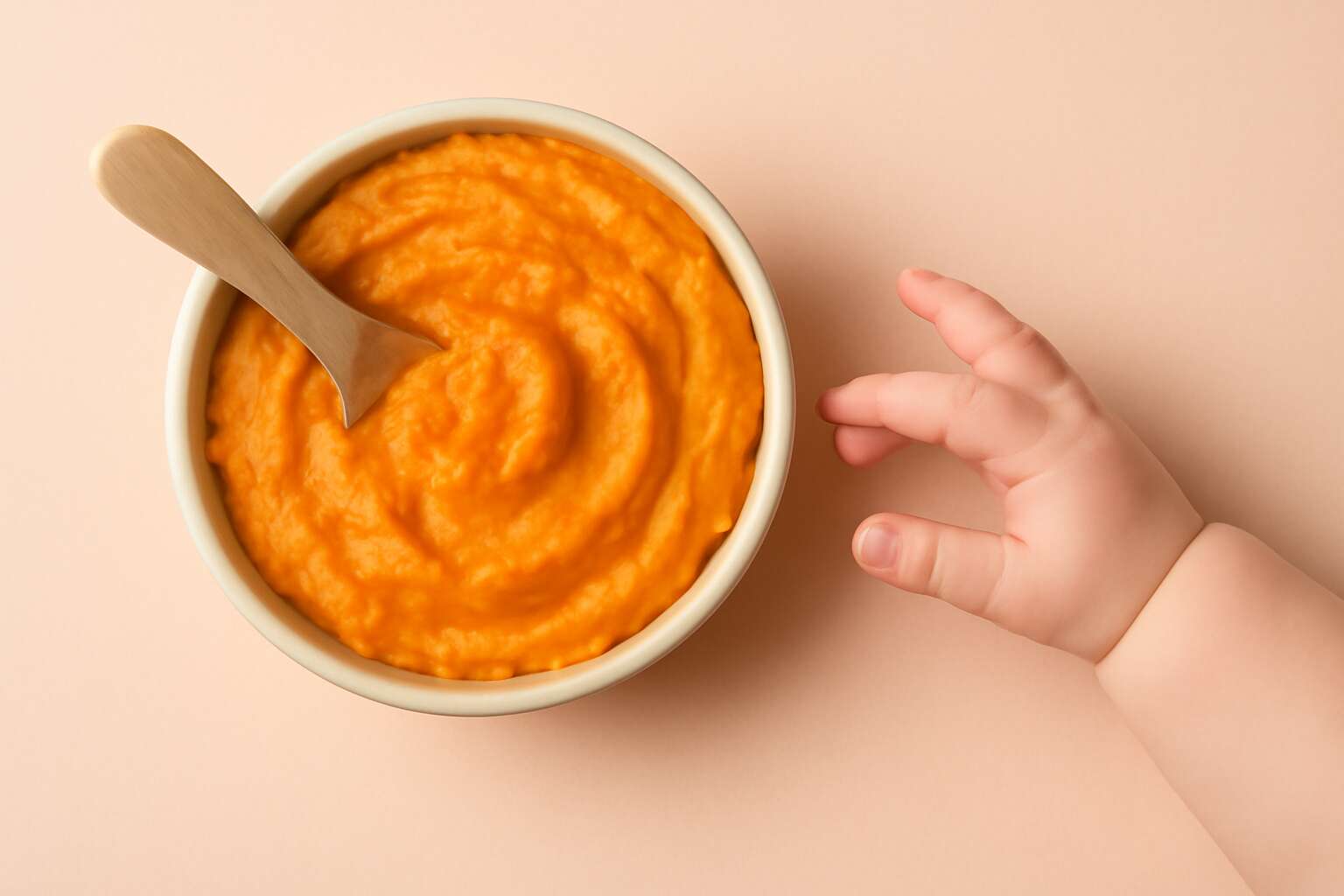
Introducing sweet potatoes to babies
When to start and age milestones
In my kitchen, the sweet potato to babies glows like a tiny sun on the plate. A village elder’s whisper—“tiny tastes, mighty journeys”—resonates as I place the first smooth mash before curious lips. Its natural sweetness and gentle texture invite discovery in South Africa’s diverse homes, turning mealtime into a warm, magical ritual.
I often see readiness arriving around six months, when a baby can sit with support and use a few brave munches to explore. Start with a smooth puree, then let textures soften and thicken as confidence grows—a slow, storytelling ascent toward more varied flavors.
- 6–8 months: smooth, well-mashed puree
- 8–10 months: soft, mashed bits or tiny pieces
- 12 months: soft finger foods for self-feeding
Choosing baby-friendly varieties
Introducing sweet potato to babies is a soft, trustworthy step for tiny taste buds. In South Africa, more than half of parents introduce root vegetables early, and sweet potato is a top pick for a first solid. It pairs well with family meals and fosters confident exploration.
- Small, smooth-skinned tubers
- Orange flesh for beta-carotene
- Free from bruises and sprouting
A note on texture is important; the soft, approachable nature of this vegetable supports gradual exploration, especially in kitchens across diverse South African homes.
Texture progression for initial feeds
In a country of sun-warmed kitchens, a recent SA survey finds that more than half of parents introduce root vegetables early, and sweet potato to babies remains a soft, trustworthy first step. Its honeyed orange glow invites little taste buds to wander, curiosity sparkling in their eyes.
Texture guides confidence. Start with a velvet-smooth purée that glides off the spoon, then drift toward a gentle mash with a few plump particles, and finally welcome tiny, well-chewed specks that mimic family meals without overwhelming tiny teeth.
- Smooth purée—no chunks, a silken first bite
- Soft mashed bits—cohesive and easy to explore
- Lightly textured pieces—tiny, soft grains for mouthfeel
Let the spoon become a compass, turning curiosity into calm; a journey from silk to a mealy whisper, as sweet potato to babies grows alongside each giggle and coo.
First food pairings with sweet potato
South Africa’s kitchens have a soft spot for root vegetables; a recent SA survey finds that more than half of parents introduce root vegetables early, and sweet potato to babies remains a soft, trustworthy first step. The honeyed glow invites tiny taste buds to wander, curiosity sparkling in their eyes.
First food pairings with sweet potato make for a gentle culinary debut. Pairings should be simple, confident, and curious—think fruit companions or a creamy contrast that respects tiny teeth. I love how a simple apple purée tucked beside the potato can coax a giggle.
- Sweet potato and apple purée
- Sweet potato with avocado mash
- Sweet potato with pear purée
Nutritional benefits of sweet potatoes for babies
Key vitamins and minerals in sweet potatoes
Sweet potato to babies sparks curiosity and nourishment in one bright bite. Packed with beta-carotene, fiber, and vitamin C, these tubers whisper autumn into every bite, supporting healthy growth and immune resilience as tiny bodies explore new foods. In South Africa, sweet potato is a comforting staple that travels from veld kitchens to high chairs with ease.
Key nutrients that turn harvest into growth include:
- Beta-carotene (vitamin A) supports healthy vision and immunity
- Vitamin C aids iron absorption and tissue health
- Potassium helps fluid balance and nerve function
- B vitamins and folate bolster energy metabolism
For sweet potato to babies, the gentle sweetness and smooth texture make it a friendly first taste, while its natural fiber helps tiny tummies adapt to solids with confidence. The earthy sweetness pairs well with other fresh produce in SA kitchens, adding color and nutrition to mealtime.
Fiber and digestion support
“Fiber is the quiet architect of growing tummies,” a kitchen proverb that tastes of SA sunshine. The soft sweetness of sweet potato carries a bustling fiber that nudges little digestive systems toward calm, steady growth as tiny foods explore the world.
For sweet potato to babies, the fiber and gentle texture support digestion and gradual stool formation, turning meals into comfortable discoveries.
- Soluble fiber helps smoother digestion and gentle transit
- Insoluble fiber adds reassuring bulk for regularity
- Prebiotic compounds foster a friendly gut environment
In every bite, fiber meets flavor, inviting curious mouths to a world of nourishment and wonder.
Beta-carotene and vision health
Bright food today, sharper vision tomorrow—an idea you can taste in every soft bite of sweet potato to babies! Beta-carotene, the orange pigment tucked in the potato’s flesh, quietly powers growing eyes by converting to vitamin A. This gentle alchemy accompanies little meals with flavor and warmth, inviting curious mouths to savor nutrition without drama. In South Africa’s kitchens, such nutrients travel from plate to potential, turning a simple mash into a daily act of care and wonder.
In addition to taste, beta-carotene supports vision health and steady growth.
- Supports retina development
- Promotes healthy night vision
- Supports immune defenses
These natural benefits arrive with every soft spoonful.
Glycemic considerations for babies
Across South Africa’s sunlit kitchens, sweet potato to babies unfolds as a lantern of nourishment, a soft orange candle in a quiet room. Beyond its beta-carotene glow, these tubers offer steady energy, essential minerals, and a gentle texture that slips into growing routines with ease. I watch little hands reach for that soft orange glow, and I feel a tiny ritual of care!
Glycemic considerations for babies favor gentle, steady release. Steaming or boiling softens starches and helps minimize spikes, while small portions keep energy on an even keel. Pairing mash with a touch of healthy fat or protein slows digestion and supports calm days—turning a simple, nourishing bite into a stable, comforting habit.
Preparing sweet potatoes for babies
Safe cooking methods for soft, mashable textures
Soft, sun-warmed pieces of sweet potato can spark a baby’s first conversation with food, and in South Africa those early meals become stories shared at dusk. ‘Gentle textures invite curiosity,’ a rural nurse reminds us, and that truth travels from kitchen to cradle.
Preparing sweet potato to babies begins with firm roots, a quick rinse, and careful trimming. I pat the skins dry, letting warmth and color fill the room as we talk about the day ahead.
Safe cooking methods for soft, mashable textures are varied and gentle.
After cooking, mash with a little breast milk, formula, or cooled cooking water to a smooth, lump-free texture. This approach supports taste buds and growing digestion as you share the day’s supper, a gentle step from sweet potato to babies to family dinners.
Mash, puree, and texture progression
Small spoons, big possibilities. In South Africa, families gather at dusk around shared bowls, and a spoonful of gentle sweetness can spark a roomful of chatter. “Gentle textures invite curiosity,” a rural nurse reminds us, a sentiment that travels from kitchen to cradle and back again!
Preparing sweet potato to babies begins with firm roots, a rinse, and careful trimming. I pat the skins dry as color deepens and the day settles. Mash, puree, and texture progression unfold in soft, sun-warmed pieces that invite little fingers to explore.
- Soft, mashable pieces that ease into meals
- Silky puree that coats the tongue without grit
- Coarse to fine textures as babies grow and self-feed
This quiet progression links today’s supper to tomorrow’s family dinners, turning a humble root into a shared ritual.
Avoiding added sugars and salt
Preparing sweet potato to babies begins with a rinse and trim. ‘Gentle textures invite curiosity,’ a rural nurse reminds us, and that wisdom travels from kitchen to cradle. In South African kitchens at dusk, we wash the roots, pat them dry, and loosen any stubborn eyes, keeping flavors pure and salt-free.
- Wash thoroughly and scrub with a firm brush
- Trim the ends and remove any blemishes
- Steam, bake, or boil until very tender
- Mash with a little breast milk, formula, or water—never sugar or salt
This gentle approach respects the sweet potato to babies and makes room for family meals. A single, tender bite can tell a story about the sweet potato to babies joining the family table.
Flavor ideas and natural seasonings for little ones
“Gentle textures invite curiosity,” a rural nurse reminds us. In South Africa’s kitchens as the sun sinks, I watch caregivers reach for the humble sweet potato to babies, letting its natural sweetness guide tiny taste buds to the table. The aroma drifts through the home, turning prep into a family moment.
Flavor ideas drift on the breeze: a pinch of cinnamon, a whisper of nutmeg, or a drizzle of olive oil to catch the light. Pairing that soft sweetness with avocado, pear, or apple keeps things mild and friendly to tiny palates, inviting exploration rather than overwhelm.
- a pinch of cinnamon for warmth
- a drizzle of extra virgin olive oil for sheen
- finely mashed pear or banana to deepen sweetness
I watch little hands reach for the spoon, discovering texture and aroma as the day grows quiet. This gentle approach to sweet potato to babies makes room for everyday meals that the whole family can share.
Safety, allergies, and storage for baby sweet potatoes
Allergy awareness and signs of intolerance
Safety guides the first forkful when introducing sweet potato to babies. Choosing firm, clean roots, thorough washing, and gentle cooking until soft can help prevent choking. A smooth mash with no added salt or sugars aligns with gentle feeding. Portions cool before feeding, and leftovers can be stored to keep flavors fresh and safe for little tummies in South Africa.
- Skin rash or hives after feeding
- Vomiting or diarrhoea after meals
- Wheezing or breathing difficulties
For storage, raw sweet potatoes are commonly kept in a cool, dry place; once cooked, many households refrigerate and use within a few days, or freeze in small portions for later batches of sweet potato to babies. Reheating until steaming is one way to preserve safety and flavor.
Introducing new foods safely and gradually
Safety guides the first forkful when introducing sweet potato to babies. Start with a small, smooth mash, steamed until tender and cooled to body temperature. Offer without salt or sugar, and spoon gently to prevent choking. Watch baby’s cues and proceed gradually, applauding every calm swallow.
Allergies are uncommon but real. Introduce one new texture at a time and monitor for unusual fussiness, skin changes, or breathing shifts in the hours and days that follow. If in doubt, consult a caregiver or clinician before proceeding.
Storage choices keep flavors fresh and tiny tummies safe, even in South Africa. Raw sweet potatoes live best in a cool, dry place; once cooked, refrigerate or freeze in small portions and reheat to steaming before serving.
Storage, freshness, and batch cooking tips
Safety remains the forkful when you embark on the sweet potato to babies journey. A small, smooth mash, steamed until tender and cooled to body temperature, is offered without salt or sugar and spooned gently to prevent choking, while you listen for the rhythm of calm swallows.
Allergies are uncommon but real. In my experience, one texture at a time is best, with watching for unusual fussiness, skin changes, or breathing shifts in the hours and days that follow. If doubt arises, a caregiver or clinician can be consulted before proceeding.
Storage choices keep flavors fresh and tiny tummies safe, even in South Africa. Raw sweet potatoes live best in a dry place; once cooked, refrigerate or freeze in small portions and reheat to steaming before serving.
- Raw potatoes: cool, dry pantry
- Cooked portions: refrigerate or freeze in small batches
- Reheat until steaming before feeding
Leftover handling and safety guidelines
Safety never sleeps in a busy kitchen, and that’s true for sweet potato to babies. Gentle textures, cooled to body temperature, and a calm feeding rhythm turn a first bite into a confident step. A pediatric nutritionist reminds us that “Safety is the gateway to joyful eating.”
Allergies are uncommon but real. Introduce one texture at a time and watch closely for unusual fussiness, skin changes, or breathing shifts in the hours and days that follow. If doubt arises, consult a caregiver or clinician before proceeding.
Storage choices keep flavors fresh and tiny tummies safe, even in South Africa. Raw potatoes belong in a cool, dry pantry; cooked portions dry-refrigerate or freeze in small batches and reheat to steaming before feeding.
- Cool leftovers quickly; portion into small containers.
- Refrigerate within two hours and use within 2–3 days.
- Reheat to steaming; test temperature before feeding.


0 Comments