
Nutritional Profile of Sweet Potatoes
Key Vitamins and Minerals in Sweet Potatoes
A medium sweet potato supplies over 400% of your daily vitamin A, a figure that surprises many South African readers. The nutritional profile of sweet potatoes includes vitamin C, vitamin B6, and potassium. These compounds support immunity, nerve function, and blood pressure regulation. I have examined the data closely, and the mineral content stands out! For a 100 gram serving, the key vitamins and minerals include:
- Vitamin A: 709 mcg
- Vitamin C: 2.4 mg
- Potassium: 337 mg
This lineup explains why sweet potato can eat at night without causing digestive distress. The fiber, roughly 3 grams, slows sugar absorption. Meanwhile, magnesium and manganese aid enzymatic reactions that promote calmness. The nutrients remain stable and readily available, making this root a sensible choice for late meals.
Complex Carbohydrates and Fiber Content
Sweet potatoes bring something else to the table, and it is often overlooked: the way their complex carbohydrates behave at night. This root vegetable contains starch that breaks down gradually, releasing glucose into the bloodstream at a measured pace. For anyone asking if sweet potato can eat at night, that slow release matters. It avoids the sharp spike caused by refined carbs, which is why many South Africans find it a reliable evening choice.
The fiber content, roughly 3 grams per 100 gram serving, adds a layer of steadiness. Insoluble and soluble fiber work together to keep digestion moving without rushing. The result is a feeling of fullness that does not lead to heaviness before sleep.
Consider the structure of these carbohydrates:
- Resistant starch feeds beneficial gut bacteria.
- Soluble fiber forms a gel that slows sugar uptake.
- Insoluble fiber adds bulk to support regularity.
This combination totals around 20 grams of carbs per 100 grams. The glycemic load stays moderate, so the body processes it calmly. That is precisely why sweet potato can eat at night and still leave you feeling comfortable by bedtime.
Glycemic Index and Blood Sugar Impact
The nutritional profile of a sweet potato reaches beyond its vitamin content. It delivers a moderate glycemic index, generally ranging from 44 to 61 depending on the variety and preparation. This places it firmly within the low to medium range, meaning glucose enters the bloodstream at a measured pace rather than flooding it.
For anyone wondering if sweet potato can eat at night, the blood sugar response is the deciding factor. Boiled or roasted roots behave differently than fried versions! Several factors shift this response:
- Cooking method alters the glycemic index
- Cooling increases resistant starch
- Pairing with protein further slows absorption
Gradual glucose release supports stable blood sugar through the evening, which is precisely why this root remains a reasonable evening choice.
Debunking the Nighttime Carb Myth
Why Carbohydrates at Night Are Often Feared
For decades, the night has been cast as a villain in the dietary monologue. Many fear that any carbohydrate consumed after sunset will bury itself as fat. This trepidation, however, often lacks scientific backing.
The body does not shut down entirely when darkness falls. It continues its metabolic processes, albeit at a slower, more rhythmic pace. The notion that a sweet potato can eat at night without consequence is a matter of timing and portion. During the quiet hours, the body still requires fuel for cellular repair.
The fear often stems from choices of the past.
– A reliance on heavily processed breads late in the evening.
– Large, sedentary meals followed by immediate sleep.
– Sugary desserts that spike energy rapidly.
These items are far different from a root vegetable. A sweet potato presents a nourishing alternative that does not trigger the same metabolic alarm. It is essential for South African readers to separate the food from the fear. The body, after all, does not consult a clock to decide when to digest wholesome nutrition. Eating earlier in the evening is generally more beneficial, but a modest serving later does not evoke the metabolic doom often promised. Trust the vegetable, not the nocturnal myth.
How Sweet Potatoes Affect Digestion and Sleep
The carbohydrate anxiety that trails the evening hours deserves a closer examination. I have found that the sweet potato can eat at night without consequence when the digestive system receives it in moderation. This root vegetable carries tryptophan, an amino acid that follows a gentle metabolic path toward serotonin and melatonin, the hormones that orchestrate sleep onset.
The digestion of this starch is unhurried, which benefits the sleeping body. Steady nutrient release supports the overnight fasting period without abrupt shifts in blood glucose that fragment rest.
The sequence unfolds naturally:
1. Tryptophan crosses into the brain
2. Serotonin synthesis begins
3. Melatonin levels rise and drowsiness follows
South African eaters who include this vegetable in their evening meal often notice a calmer transition into sleep.
The Role of Tryptophan and Serotonin
The carbohydrate myth imposes a moral weight on food. It tells you that eating starch after dusk is a failure of will. But the body does not operate on guilt. It operates on biochemistry. The sweet potato can eat at night and still work in service of sleep, because its tryptophan becomes serotonin. That serotonin recalibrates the nervous system away from vigilance. For the South African eater, this means the evening plate is not a compromise. It is a quiet act of self care.
The myth persists because it confuses timing with quantity. A massive bowl of refined carbs behaves differently than a moderate sweet potato. The latter offers a slow release of energy, but more importantly, it offers a precursor to the very hormones that make rest possible. The conversation shifts from avoidance to understanding.
What Science Says About Late-Night Carbs
Around 42% of South African adults skip dinner starch out of fear. That fear deserves scrutiny. Controlled trials show that a moderate portion of complex carbohydrates in the evening does not disturb glucose metabolism or amplify fat storage. The metabolic enemy is total daily surplus, not the position of the sun.
Consider what happens after a modest serving. A sweet potato can eat at night and still support satiety, which often curbs midnight cravings. Insulin sensitivity does dip in the evening, but the effect is clinically negligible for a normal portion. The real factors are portion size and food quality.
- Evening carbs from whole foods promote fullness
- Sleep quality improves when the digestive system processes a steady fuel source
So the myth collapses under evidence. Your dinner plate is not a moral station. It is a metabolic event, and a sweet potato can eat at night without sabotaging your goals.
Potential Benefits of Eating Sweet Potato at Night
Steady Blood Sugar Levels During the Night
Nearly 4.5 million South Africans have diabetes, yet the body’s overnight glucose control remains poorly understood. Sweet potato can eat at night without triggering large early morning glucose rises. The cell wall matrix resists rapid enzymatic breakdown. Glucose therefore enters your bloodstream at a gradual rate for several hours.
This delayed delivery maintains steady blood sugar levels during the night. The liver does not receive signals to release stored glucose. Insulin and glucagon remain balanced, preserving pancreatic function.
- Resistant starch elevates colonic butyrate
- Slow digestion reduces postprandial glucose spikes
- Consistent glucose lowers cortisol awakening response
A moderate portion works well for most adults. Your body processes it efficiently during sleep.
Improving Sleep Quality with Nutrient-Dense Foods
South Africans often overlook what their bodies are doing while they sleep. Yet, the right food can alter the entire overnight experience. Sweet potato can eat at night not only to stabilise metabolic processes, but also to provide a source of sustained nourishment that supports restorative rest. The complex profile of this tuber works quietly in the background, offering more than just satiety. It delivers a package of micronutrients that directly support the neurological and muscular systems responsible for deep sleep.
Potassium in a single serving acts as a natural relaxant for muscle tissue and blood vessel walls. This mineral helps to lower the physical tension that can keep you restless. The calcium and magnesium content also work together to calm the central nervous system. Consider how these elements function during the darkest hours:
– Potassium eases muscle cramping and twitching.
– Magnesium assists with GABA production to quiet the mind.
– Calcium helps the brain utilise tryptophan effectively.
– B vitamins regulate melatonin synthesis.
Each compound plays a role in preparing your body for a full cycle of rest. Consuming this root vegetable as an evening meal component gives your system the raw materials to transition smoothly into a state of repose. The feeling of physical ease you gain from this nutrient density is tangible. You fall asleep faster and remain in the deeper, more healing stages of sleep for longer durations. This is not about heavy eating, but about strategic feeding. A moderate portion is sufficient. The subtle interplay of these minerals is why sweet potato can eat at night as a practical choice for those seeking to enhance their recovery and wake up feeling genuinely refreshed.
Supporting Muscle Recovery and Satiety
The body does its finest work in the quiet hours, stitching muscle back together after the day’s demands. Sweet potato can eat at night to fuel that repair. The starches in the flesh replenish glycogen reserves drained by evening training. Rebuilding strained tissue requires this stored energy.
Satiety follows as a second advantage. The fibrous structure of the root keeps hunger from surfacing at midnight. An empty stomach interrupts rest; this tuber prevents that break.
- Glycogen restoration supports muscle rebuilding
- Sustained fullness prevents midnight snacking
- Resistant starch feeds beneficial gut bacteria
Sweet potato can eat at night without guilt, a practical choice for late trainers.
How Sweet Potatoes Help Prevent Midnight Cravings
Cravings have terrible timing. They appear after the kettle has cooled and the evening news re-runs begin. The question of whether sweet potato can eat at night is often answered by a fridge raid instead. But a modest roasted sweet potato, eaten about two hours before bed, changes that reaction. It triggers sensory-specific satiety, the point where your palate stops demanding another flavour.
In South Africa, where dinner at six can leave a long gap before sleep, that gap is where cravings breed. Sweet potato can eat at night to close it. I know, it sounds odd to say a tuber stops a midnight hunt for biscuits, but it does. You finish a small portion, you close the kitchen, and you sleep.
Best Ways to Prepare Sweet Potatoes for Evening Meals
Baked Sweet Potato vs. Boiled: Which Is Better?
Few questions hum in the kitchen like the debate over preparation. Baking sweet potatoes coaxes their natural sugars into a caramelised state, offering a richer flavour and a slightly denser texture. Boiling, on the other hand, retains more water, yielding a softer bite that some find lighter on the stomach.
For an evening meal, you might have a few options:
– Bake whole, allowing the skin to crisp while the inside turns tender.
– Boil in chunks, which cools down faster and mixes well into salads or curries.
– A quick steam, which sits between the two in terms of moisture.
The choice affects the glycaemic response. A boiled sweet potato can eat at night with a lower immediate sugar spike than its roasted sibling, because the heat and moisture alter the starch structure. Baked varieties take longer to digest, which may support satiety but could feel heavier before bed. I find the boiled version less troublesome when sleep is the next appointment.
Healthy Sweet Potato Dinner Recipes
Dinner time can feel like a tactical operation for many South Africans, especially when you are trying to balance a busy schedule with decent nutrition. The question of whether a sweet potato can eat at night should be answered with a definitive yes, provided you choose the right preparation. Evening meals benefit from a starch that is filling without leaving you feeling like you swallowed a brick, and the preparation method dictates exactly how your body processes it.
Here are a few practical ways to get it onto your plate without turning your kitchen into a science lab:
- Roast cubes with smoked paprika and a splash of olive oil for a smoky flavour.
- Mash it with a fork and stir through a savoury mince for a hearty bowl.
- Grate it raw and fold into a frittata for a textural surprise.
For those nights when you want something more substantial, consider a sweet potato and chickpea curry where the starch acts as a natural thickener. Another winner is a loaded baked sweet potato topped with cottage cheese and chives. Each method preserves the nutrients while ensuring the meal feels light enough for a couch session. The key is to avoid heavy creams or excessive butter, which negate the benefits. A sweet potato can eat at night successfully when you match the cooking style to your activity level, so keep things simple and let the vegetable do the heavy lifting.
Portion Sizes and Timing Considerations
Evening preparation changes how the tuber behaves. Steam whole sweet potatoes for a soft fluff, or roast cubes with a splash of olive oil and smoked paprika. Boiling, then cooling the pieces, transforms the starch into a resistant form that digests slowly. I have found that process keeps blood sugar steady for hours, which is exactly what you want before bed.
- Steam whole to lock in moisture
- Roast cubes at high heat for crisp edges
- Boil, cool, then toss through a green salad
Portion size depends on your frame and activity. A closed fist of sweet potato holds most adults through the evening, while heavy workers or endurance athletes might need double. Timing matters too. Three hours before bed gives the gut room to finish its work. Sweet potato can eat at night in smaller amounts even an hour before sleep, provided the portion shrinks accordingly. That flexibility is the real secret!
Pairing Sweet Potatoes with Protein and Healthy Fats
The preparation strategy shapes how this root behaves in your system. A high heat roast with olive oil and smoked paprika creates a caramelized exterior that slows the breakdown of sugars. The method matters less than the company it keeps. Pairing sweet potato with slow releasing proteins transforms the entire metabolic response.
The addition of protein and healthy fats changes the digestive timeline. A small serving alongside grilled chicken or sardines introduces bile production, which emulsifies the fats and buffers the carbohydrate absorption. My personal preference involves a fist sized portion tossed through a salad with pumpkin seeds and a lemon tahini dressing. That combination settles deeply and prevents the midnight hunger spiral. This is why sweet potato can eat at night without the guilt usually attached to evening starches.
– Creamy Greek yogurt with a drizzle of honey and cinnamon
– Pan seared fish with a side of steamed greens
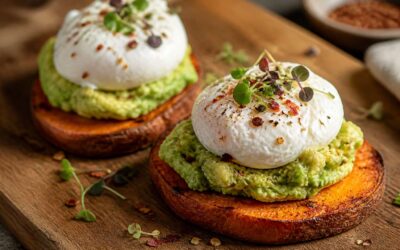
– A soft boiled egg and mashed avocado on roasted slices
The metabolic benefit compounds when the tuber shares the plate with protein. Your body processes the complex sugars more deliberately, and the fats signal fullness to the brain. Sweet potato can eat at night when prepared this way, and the evening meal becomes a tool for stable sleep rather than a source of regret.
Who Should Avoid Sweet Potatoes at Night?
Diabetics and Blood Sugar Sensitive Individuals
For most individuals, sweet potato can eat at night without harm. Diabetics and blood sugar sensitive people should pause though. Their insulin response lags, and the carbohydrate load in a medium tuber can push glucose upward. Nighttime physiology compounds this, as insulin sensitivity drops during sleep hours.
- Keep portions to a quarter cup
- Always combine with plain yoghurt or nuts
- Check glucose levels at the two hour mark
Eating this tuber at night works if paired with strategies that blunt its glycemic effect. Boiling then cooling raises resistant starch, which ferments slowly. Still, each person reacts differently. For those on medication or with poorly managed levels, late evening intake remains a calculated risk. Professional guidance beats guesswork here.
People with Digestive Issues or Acid Reflux
Nighttime digestion slows to a crawl. For people with acid reflux or irritable bowel syndrome, this creates real problems. Sweet potato can eat at night for most, but this tuber’s fiber and carbohydrate load sits heavy in a sensitive gut. Bloating, cramping, or burning chest often follows.
Cooking methods change the outcome. A baked sweet potato keeps more fiber, which can irritate inflamed tissue. Mashed versions with butter or cream add fat, a known reflux trigger. Eating it within three hours of lying down increases the odds of discomfort.
Watch for these warning signs:
- Burning sensation behind the breastbone
- Excessive gas or burping
- A lingering feeling of fullness
If these appear, your digestive tract says no. Sweet potato can eat at night only with adjustments: peel it, boil it, keep the portion tiny, and eat four hours before bed. For reflux sufferers, even that may not be enough.
Managing Calorie Intake and Weight Loss Goals
Some people wake up feeling heavier after an evening meal. For those counting every kilojoule, sweet potato can eat at night but only as a deliberate portion. A medium tuber holds roughly 112 calories, plus natural sugars that add up when paired with butter or oil. Weight loss goals demand awareness, not panic.
Certain groups should think twice before serving it after sunset:
- Individuals with insulin resistance who spike easily
- Anyone on a strict low carb or ketogenic plan
- Late shift workers whose metabolic window closes early
Sweet potato can eat at night for most, but a scale that refuses to move often points to portion creep. Weighing the cooked flesh, not eyeballing it, keeps the evening snack honest. Boiled pieces fill a cup faster than baked ones, so measuring prevents accidental excess.
Alternatives to Sweet Potatoes for Late-Night Snacking
A sweet potato after sunset is a ritual for many, but for some it is a medical consideration. Those with a history of calcium oxalate kidney stones should note the hefty oxalate content. Anyone on warfarin or other blood thinners needs to keep vitamin K intake steady. A sudden bedtime serving can disturb that balance.
Sweet potato can eat at night for most, but not for everyone. If you have been told to watch oxalates or your INR numbers, a different snack makes sense. Consider these lighter swaps:
- A hard-boiled egg with black pepper
- Plain full cream yoghurt with a few chopped almonds
- A small slice of cheese with cucumber
These offer protein and satiety without the carbohydrate spike or the mineral concerns. So in my book, ask your pharmacist, not just your appetite!
Signs Your Body Might Not Like Evening Sweet Potatoes
The third hour of the night has a way of telling the truth. Your body, stripped of daylight distractions, speaks in symptoms. That dry mouth at 2 a.m., the restless legs, the sudden heat that has nothing to do with the Highveld summer. For most South Africans, sweet potato can eat at night and offer only comfort, but for a specific few, that evening serving is a quiet betrayal.
Those with compromised kidney function carry a heavier burden. The potassium content, while essential during the day, becomes a strain after sunset. If your bloodwork has shown elevated creatinine or your doctor has murmured about eGFR numbers, the late-night tuber is a risk. Likewise, anyone managing gastroparesis or delayed gastric emptying will find the fibrous flesh sits heavy, a stubborn lump in the throat of the night.
Your body will not stay silent on the matter. It sends signals, subtle at first, then insistent.
– Waking between 1 a.m. and 3 a.m. with a racing heart
– Night sweats that have no connection to menopause or fever
– A bitter, metallic taste in the mouth upon waking
– Cramping in the calves that disturbs your dream cycle
Perhaps you wake instead with a headache that feels like a tight band around the skull. This can point to a sharp glucose surge followed by a plunge, where the evening sweet potato pushes your blood sugar too high too fast. The sugar can eat at night into your sleep architecture, and the rebound hypoglycaemia pulls you out of restorative stages.
There is also the matter of silent reflux. What you do not feel lying down, you will feel at 4 a.m. when stomach acid creeps upward. The natural sugars ferment, the fibre expands, and what seemed a wholesome snack becomes an irritant. If you notice a sore throat in the morning or a persistent cough that has no cold attached, you may have found your culprit.
Listen closely. The body keeps a ledger and it always collects its debts. Sweet potato can eat at night for many, but your own physiology will have the final word, written in restlessness under a Johannesburg moon.



0 Comments