The Rise of Vegetable-Based Toasts
Why Root Vegetables Are Replacing Bread
South Africans have finally caught on. Root vegetables make better toast than toast does. Bread has been the default base for generations, but sweet potato toast now occupies plates from Cape Town to Durban, bringing more substance and less processing.
Nutritionists track the shift. Commercial bread offers little beyond refined flour. The root version delivers fiber, potassium, and vitamin A without additives. Chefs value its sweet flavor and firm structure, which holds up under avocado or roasted tomatoes.
Why are people switching? Consider the practical benefits:
- Sweet potato toast needs no special equipment, just a sharp knife and a toaster.
- It stays intact under heavy toppings, unlike flimsy commercial loaves.
- It is naturally gluten free, an advantage for South African households.
The root vegetable’s rise is measurable at breakfast tables and café counters across the country.
Nutritional Advantages of the Orange Tuber
The orange tuber has become a quiet cornerstone of the modern South African table, and its ascension is not a fleeting whim. It is a dietary recalibration, a return to eating something that remembers the soil it came from. The flesh of this root offers a density that bread cannot replicate, carrying a subtle, earthy sweetness that changes how breakfast feels on the tongue.
Consider the nutritional architecture behind this simple slice. Where commercial loaves often boast a list of additives, the tuber is a singular, uncomplicated ingredient. It delivers a complex carbohydrate profile that releases energy slowly, keeping you satiated without the sluggishness of refined flour. Fiber is abundant within its fibrous walls, playing a crucial role in digestive health and steadying blood sugar levels.
The benefits are not theoretical; they are tactile and immediate.
– A generous serving of beta carotene, which the body converts to vitamin A, supports vision and immune function.
– Potassium content helps regulate blood pressure, a critical factor for many in our population.
– The high water content supports hydration alongside nourishment.
– No preservatives, no dough conditioners, and no artificial enhancers.
This nutrient profile makes a sweet potato toast a more honest form of sustenance. It is a meal that works with your body’s rhythm, not against it. In a country where health consciousness is growing, the choice to swap a processed slice for a vibrant orange one is an act of informed self care, reflected in how it holds its shape and its color, a richer kind of toast for the morning rush.
Who Should Try This Alternative
In the quiet revolution of modern eating, the bread basket is making room for something far more vivid. The ascent of vegetable based toasts is not another fleeting food fashion. It is a response to a collective craving for food that carries more substance and less air. For many, the slice of processed loaf has become a symbol of convenience over content, and the swap to a denser, more colourful base feels like a small act of rebellion on the breakfast plate.
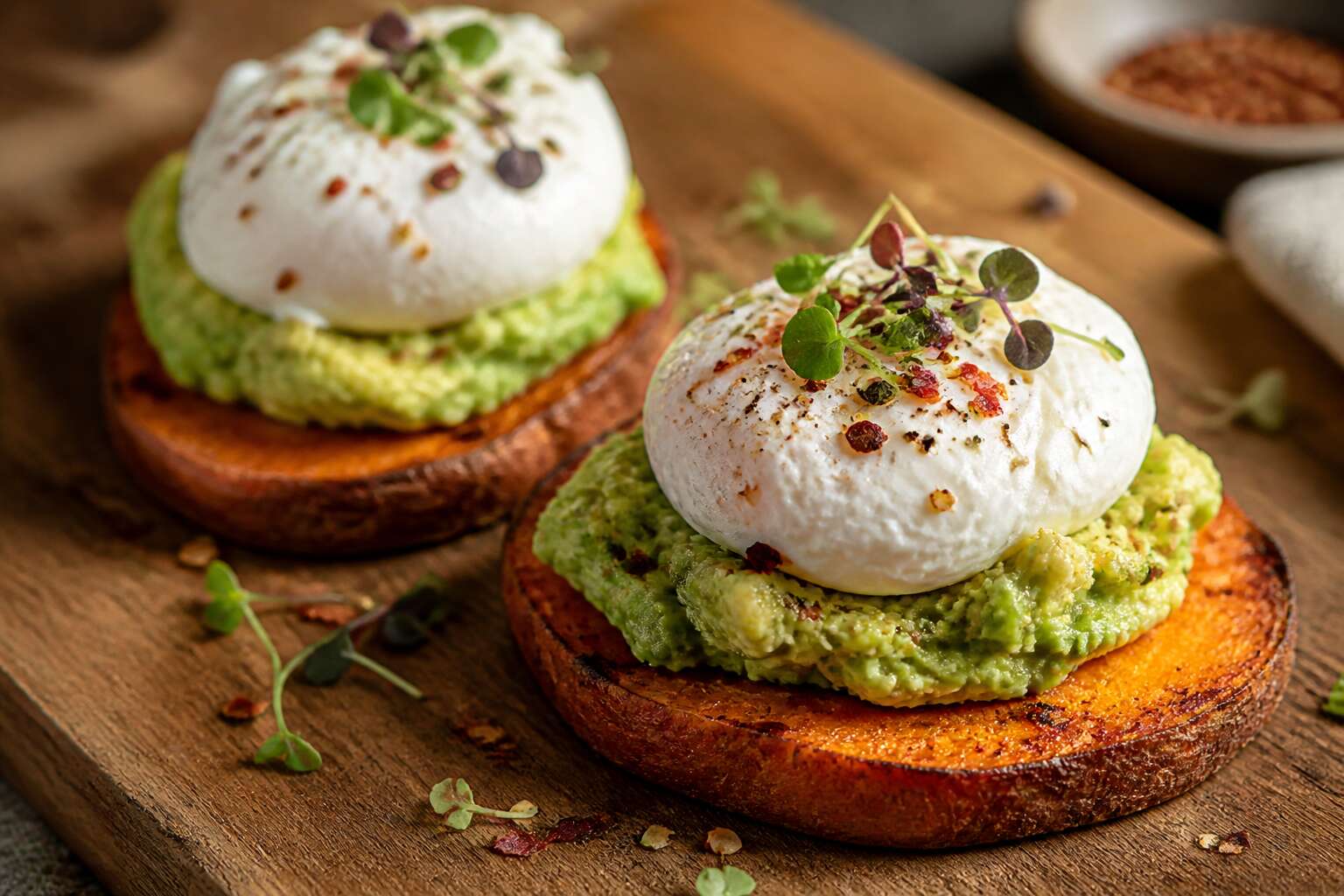
Those embracing this shift are a diverse crowd. There is the athlete who needs sustained fuel for a morning run, the busy professional who wants a meal that holds up until lunch, and the home cook simply tired of the same pale routine. The texture offers a new canvas, one that holds a poached egg or a smear of avocado with a confidence that flimsy bread lacks.
– The gluten sensitive diner, who once watched from the sidelines, now finds a welcoming option.
– The parents seeking a way to add a vegetable serving to their child’s first meal of the day.
– The curious epicurean, hunting for a new taste and a more interesting plate.
The movement speaks to a broader desire for simplicity. It asks what a base for toppings should truly be. It suggests that a breakfast built on something that grows in the ground can be more satisfying, more colourful, and more attuned to the pace of a busy life. The sweet potato toast is a quiet statement in favour of eating with intention. It is a plate that glows with a natural, unapologetic vibrancy, and it is finding a loyal following among those who want their morning meal to count for something more.
How It Compares to Traditional Toast
Walk into any health focused cafe in Cape Town and you will find vegetable based toasts beside the sourdough. What began as a novelty for low carb devotees is now a staple. The shift is not a rejection of bread; it is a preference for a base that performs differently under pressure. In my own kitchen, the swap took one attempt. Sourdough soaks up moisture and turns soggy beneath a runny yolk. A slab of roasted sweet potato toast holds its structure, offering a firmer grip and a sweetness that changes every topping.
- Traditional toast delivers a neutral canvas, while the vegetable version adds its own flavour note.
- Bread crisps quickly but wilts under heavy spreads; the orange tuber keeps its density.
- One slice of bread offers minimal nutritional return, whereas the vegetable base brings fibre and vitamin A.
The comparison is not a judgment. It is about matching the base to the meal. For a light breakfast, bread remains a fine choice. For a morning that demands endurance, sweet potato toast holds up better!
Mastering the Cooking Process
Selecting the Right Sweet Potatoes
The perfect sweet potato toast begins with tactile selection. I gravitate toward compact tubers that feel dense and heavy. Their skin should be taut, free of wrinkles or sprouts. These physical indicators predict even cooking.
My preferred method for mastering the process is precise temperature control:
- Use unpeeled slices at a uniform 1 cm thickness.
- Dry each slice thoroughly to encourage browning.
- Roast at 180°C for 20 minutes, flip, then roast again.
- Let the slices rest uncovered for 5 minutes.
This sequence produces a firm exterior and a tender center, ensuring your slices never turn out soggy or burnt.
Slicing Techniques for Even Cooking
Three millimetres. That is the margin between a respectable sweet potato toast and a floppy, undercooked failure. I have produced both in my own oven, and the ruler does not lie.
Knife skills matter more than most home cooks admit. Leave the peel on, as it provides structure and prevents the slice from falling apart during handling. Cut crosswise or lengthwise, but keep every slice exactly 1 cm thick. Inconsistent cuts cause erratic cooking, where thin edges burn and thick centers remain raw.
- Measure your slices against a ruler.
- Dry each slice thoroughly with a clean towel.
- Roast at 180°C for 20 minutes, flip, then roast again.
- Rest uncovered for 5 minutes.
This sequence produces sweet potato toast with a firm exterior and a tender centre, the kind of texture that holds up under a fried egg. It also spares you the unpleasant experience of biting into a raw tuber while pretending to enjoy it.
Oven-Baked Perfection
Oven baking transforms the humble tuber into something almost architectural. The heat works slowly, converting starches into sugars, building a crust that resists the fork. I have watched sweet potato toast go from raw rigidity to yielding softness in twenty minutes, and that interval demands faith.
Preheat the oven fully. A moderate 180°C allows the moisture to escape without scorching the surface. Place the slices on a wire rack, not a tray, so air circulates underneath. Flip them once, halfway through, and listen for the faint hiss of steam escaping. This is where sweet potato toast earns its reputation.
The texture speaks when it is ready. Press a fingertip against the center; it should give slightly but spring back. Pull them out and let them rest, uncovered, for five minutes. This settling period allows the interior to finish cooking from residual heat, locking in the structure you worked for.
Air Fryer Shortcut
The air fryer compresses the same transformation into roughly half the time. Set it to 190°C, and the rapid convection makes the exterior crisp while the interior stays soft. The sweet potato toast needs a single layer; crowding invites uneven browning.
Check each slice at the eight minute mark. Air fryers vary in temperament, and the difference between golden and scorched can be a matter of seconds! Rotate the slices with tongs if your basket has hot spots.
- Edges pull away slightly from the flesh
- The surface feels dry and springy
- A thin crust forms across the surface
Resting for three minutes settles the structure, producing toast that holds its shape under any topping. The sweet potato toast emerges with a character distinct from the oven version, its edges more pronounced and its center tender.
Stovetop Griddle Method
Not everyone reaches for the air fryer. For those who prefer the stovetop, a cast iron griddle offers a compelling path to sweet potato toast. Direct heat delivers a concentrated sear that ovens and air fryers cannot replicate. Begin with a medium flame and allow the griddle to warm before laying down the slices. A light brush of neutral oil prevents sticking.
Cover the griddle with a lid for the first three minutes. The trapped steam softens the dense flesh. Remove the lid, then cook uncovered for another four minutes. Flip once. The sweet potato toast is ready when:
- Deep golden marks appear on both sides
- The centre yields slightly to a fingertip
- A caramelised edge forms without burning
Resist moving the slices during cooking. Let the surface rest against the hot iron to build the crust. This version of sweet potato toast carries a smokier character, best enjoyed fresh.
Storing Prepared Slices
Mastering the cooking process for sweet potato toast is a negotiation with moisture. The dense, fibrous flesh holds water tenaciously. Success depends on coaxing that moisture out and allowing the surface to dry. This is why the griddle method works so well; the direct heat forces evaporation, concentrating the natural sugars. The result is a texture that approaches its grain based counterpart, but with a distinct, earthy depth.
Once you have perfected your batch, consider the logistics of preparation. The cooked slices are a fleeting pleasure, best consumed while the edges still retain their crispness. Storing prepared slices is possible, but it requires a shift in expectations. Reheating will not restore the original sear, but it will bring back a measure of warmth and structure.
For the most pragmatic approach, focus on the raw slices. Slice your sweet potato, then store the uncooked rounds in cold water. This prevents oxidation and keeps the flesh hydrated for up to 24 hours. When you are ready to cook, drain them and pat them completely dry. Any residual surface moisture will turn to steam, which is the enemy of a proper crust.
If you must store the cooked sweet potato toast, adhere to these principles:
– Let the slices cool completely on a wire rack. Trapped steam will make them soggy.
– Lay them in a single layer. Do not stack them.
– Wrap them loosely in parchment paper, then place them in an airtight container.
– Refrigerate for up to three days. Reheat in a dry pan over medium heat, not the microwave.
The texture will soften, but the flavour remains intact. The third option is freezing. Freeze the raw slices on a baking sheet. Once solid, transfer the pieces to a freezer bag. They can go directly to the toaster or griddle from the freezer. This extends the cooking time by a few minutes, but it makes the habit a permanent part of your weekly routine. The final result will be less delicate, yet the convenience offers a reliable path to a quick, satisfying meal.
Creative Topping Combinations
Savory Breakfast Ideas
The average person eats the same breakfast 87 times a year. That is culinary surrender. Your sweet potato toast is a platform for invention, not a sad vehicle for butter.
For a savory route, try smashed avocado with a spoonful of Mrs Balls chutney. The tangy sweetness contrasts the earthiness. For a full local experience, pile on chakalaka and crown it with a fried egg. The relish settles into every ridge of the toasted tuber.
Three combinations worth your morning:
– Biltong shavings, cream cheese, and a honey drizzle
– Garlic sautéed mushrooms with smoked paprika
– Tomato relish, crumbled feta, and fresh coriander
Each layer does its job. A rich base, a bold middle, a fresh finish. Your sweet potato toast becomes the hero of the plate, not the filler.
Sweet and Indulgent Options
A quiet revolution happens when the tuber meets the toaster. The sweetness of the orange flesh invites indulgence, yet the texture holds firm against heavy toppings. For the sweet tooth, the platform of sweet potato toast transforms into a dessert vessel without the wheat. You can treat it like a scone or a shortcake, but the nutritional profile remains intact.
Consider the combination of mascarpone, poached pear slices, and a scattering of toasted almonds. The creaminess softens the earthy bite, while the pear adds a delicate floral note. Alternatively, a thick layer of peanut butter, sliced banana, and a whisper of sea salt offers a salty-sweet contrast that satisfies deeper cravings.
– Fig preserve, tangy goat’s milk cheese, and candied walnuts
– Ricotta whipped with honey, topped with fresh figs and thyme
– Coconut yoghurt, roasted pineapple, and a squeeze of lime
Each spoonful of these toppings clings to the charred edges, ensuring no part of the sweet potato toast is left unadorned. The indulgence feels deliberate, a small ritual for slow mornings. This tuber adapts to your whim, making every slice a distinct pleasure.
Lunch-Worthy Gatherings
A lunch gathering changes character when sweet potato toast becomes the centrepiece. Instead of assembling sandwiches for a crowd, I lay out slices of the roasted tuber and let guests choose their own path. The sturdy base holds up against bold textures, which makes it ideal for sharing.
– Smoked snoek, whipped feta, and pickled red onion
– Shawarma spiced chickpeas, tahini, and chopped parsley
– Grilled halloumi, roasted peppers, and a drizzle of hot honey
Each combination turns the simple slice into a conversation starter. The earthy flavour of sweet potato toast absorbs the spices without disappearing. People build plates slowly, layering as they talk. That is the quiet magic of this meal. It does not rush anyone. It simply waits, warm and ready.
Mediterranean Flair
Mediterranean flair gives sweet potato toast a personality that plain bread cannot match. I find the natural sweetness of the tuber plays against the sharp, briny flavours of the region with pleasing results.
Try these combinations on your next slice:
– Olive tapenade with crumbled feta and fresh oregano
– Sun dried tomato paste with basil and shaved parmesan
– Tzatziki with cucumber ribbons and kalamata olives
The orange flesh absorbs olive oil without losing its structure. Lemon juice brightens the underlying earthiness. A pinch of smoked paprika adds depth that carries the whole plate forward. Every bite lands somewhere between a Greek salad and a summer grill, with the sweet potato toast holding it all together.
Plant-Based and Vegan Selections
The majesty of this tuber truly shines when dressed in full plant-based regalia. For those eschewing animal products, sweet potato toast offers a hearty canvas that satisfies a craving for substance without sacrifice. I find that creamy elements, often sourced from dairy, can be cleverly replaced with mashed avocado or a robust hummus, creating a luxurious mouthfeel that clings to the charred edges of the slice.
Consider a spread of smashed chickpeas tossed with a whisper of Dijon mustard and fresh dill. A drizzle of tahini, thinned with lemon juice, transforms the humble root vegetable into a dish worthy of a slow Sunday brunch. The earthiness of the tuber complements the nuttiness of the sesame paste with a grounded, wholesome depth.
For those days when time is a fleeting commodity, these rapid assemblies deliver:
– Smashed avocado with a sprinkle of toasted sesame seeds and a splash of rice vinegar.
– White bean puree blended with roasted garlic and a hint of rosemary.
– A generous swipe of cashew ricotta topped with charred cherry tomatoes.
This approach is perennially adaptable. The resilient nature of the sweet potato toast ensures it holds its form under the weight of substantial vegetable toppings, offering a robust and satisfying meal that stands firmly on its own merits. The natural sweetness creates a fascinating dialogue with pungent, savoury elements across the global pantry, from smoky chipotle to fragrant za’atar. Each bite is a testament to the simple power of whole, unprocessed ingredients working in harmony.
Troubleshooting and Pro Tips
Preventing Soggy Slices
Moisture is the main problem for sweet potato toast. A single overcooked or steamed slice becomes flaccid instead of crisp. The culprit is the natural sugars and water content, which release during heat exposure. In humid South African summers, this worsens with younger, waterlogged roots.
- Slicing too thick, which traps internal steam
- Crowding the cooking surface, lowering temperature
- Storing cooked slices in a sealed container
Each factor allows condensation to settle on the surface. Lowering heat and spacing slices apart changes the outcome. Patience with moisture management matters more than any gadget. Watching the edges firm up before flipping is a simple signal. Dry, even heat transforms the root’s texture!
Achieving Crispy Edges
Achieving the perfect crisp on sweet potato toast comes down to patience and heat control. I’ve found that letting slices rest on a cooling rack for two minutes after cooking does wonders. The residual heat firms the edges without drying out the interior.
Watch for the telltale signs. The edges turn a deep amber and pull away from the pan. When you lift a slice, it should feel rigid. If it bends, give it another minute. A sprinkle of fine salt right at the end adds texture. For a double crisp, try this:
- Brush one side with oil, cook until golden, then flip.
- Brush the cooked side lightly, return to heat for thirty seconds.
- Rest uncovered on a rack, never stacked.
That last step is easy to skip, but it’s the secret to edges that stay crunchy. Sweet potato toast rewards those who wait.
Seasoning for Maximum Flavor
Seasoning sweet potato toast requires a careful hand. The tuber’s natural sweetness responds well to bold salting. Smoked paprika and a pinch of ground coriander work nicely, especially with a squeeze of lime. I find that coarse salt applied just before serving gives the most pronounced effect.
Troubleshooting usually comes down to moisture and timing. If slices turn out limp, they were either cut too thin or cooked too quickly. A lower temperature and a longer wait solve most problems.
Consider these additions:
- Garlic powder and fresh thyme
- Chilli flakes and honey
- Cumin and orange zest
Each pairing changes the character of the sweet potato toast completely, which keeps this alternative versatile.
Avoiding Overcooking or Undercooking
The timing between pale, raw slices and charcoal crisps feels impossibly narrow. I have watched sweet potato toast turn rubbery in one minute and bitter the next. The centre stays stubbornly raw while the edges singe, so resist the urge to crank the heat. The orange tuber needs patience, not aggression. Use a fine skewer to test the thickest part; it should slide through without resistance.
Underdone sweet potato toast has a chalky, unpleasant crunch. This usually happens when slices exceed 1 cm or the oven temperature sits below 180°C. Overcooked versions turn leathery and dry, losing every trace of creamy texture. The sweet spot changes depending on your appliance, so calibration matters more than intuition.
A practical order of operations helps prevent ruin:
1. Preheat fully for a minimum of 15 minutes.
2. Cut all slices to a uniform thickness of 1 cm.
3. Cook for eight minutes, then flip and rotate the tray.
4. Check the centre with the skewer before deciding on extra time.
The residual heat continues cooking the toast after removal, so pull it out slightly before you think it is done. Batch cooking complicates things, especially when slots are reused. Return the tray to a preheated rack rather than placing cold slices onto a warm surface. This keeps the timing consistent across the entire batch. Sweet potato toast rewards attention but punishes indecision, so commit to the timer and trust the skewer test above appearances.
Make-Ahead Strategies
The night before, the tuber waits. Slice it, store it, and the morning becomes a ritual rather than a scramble. Submerge cut slices in cold water to keep them pale, then dry them thoroughly before refrigeration. Moisture is the enemy of sweet potato toast, so blot every surface with a cloth.
When reheating, do not rush. A cold slice dropped into a hot oven shocks the starches. Let the slices rest at room temperature for twenty minutes first.
Consider this sequence:
1. Prep slices the evening before.
2. Refrigerate in an airtight container with parchment between layers.
3. Return to room temperature before cooking.
4. Reheat on a wire rack, never a solid tray.
The make-ahead sweet potato toast keeps its character if you honour the waiting period. The tuber rewards those who let it breathe.
Dietary Considerations and Variations
Low-Carb and Keto Friendly Adaptations
Sweet potato toast occupies an unusual space in low carb eating. While the tuber contains more carbohydrates than standard bread alternatives, its fiber and nutrient density change the equation. For keto followers, the key lies in portion size and companion ingredients. I often slice a whole sweet potato into four thin planks, then use only two for a meal! This approach keeps net carbs manageable without sacrificing satisfaction.
Consider these keto friendly adaptations:
- Top with smashed avocado and pumpkin seeds for healthy fats
- Spread with full fat cottage cheese and smoked salmon
- Use a thick layer of almond butter and chia seeds
Each pairing adds protein or fat to slow digestion and stabilize blood sugar. Sweet potato toast works best as an occasional foundation, not a daily staple, within a strict ketogenic framework. Balance the meal with leafy greens or eggs to round out macronutrients.
Paleo and Whole30 Compliance
Sweet potato toast passes strict Paleo and Whole30 standards because it replaces grain based bread with a single whole food. This matters for South Africans following elimination protocols, where hidden additives often cause slips. The root vegetable itself is acceptable on both plans. Compliance depends on how you dress the planks. Many commercial nut butters contain sugar or palm oil, so verify the label before spreading.
Useful compliant toppings include:
- Smashed avocado with smoked salmon
- Almond butter with fresh berries
- Egg and rocket salad with olive oil
These combinations keep the meal savoury or sweet while staying within the rules. Sweet potato toast is a reliable option during the reintroduction phase, offering texture and satiety without grains or legumes.
Gluten-Free Assurance
For South Africans navigating gluten intolerance or coeliac disease, sweet potato toast offers a reassuring alternative to wheat based bread. The tuber contains no gluten proteins, so it bypasses the digestive distress that often follows a standard slice. However, vigilance remains important. Commercial toasters and shared preparation surfaces can introduce trace gluten, so dedicated equipment or a simple oven tray reduces risk.
Consider these verification steps when building your toast routine:
- Check seasoning blends for hidden wheat flour
- Choose nut butters processed in gluten free facilities
- Confirm that smoked fish or deli meats carry clear labelling
This attention to detail ensures sweet potato toast stays a safe, versatile foundation for any meal, from quick breakfasts to leisurely dinners.
Calorie and Macronutrient Breakdown
Somewhere between a carbohydrate audit and a culinary identity crisis lies the humble sweet potato toast. A standard slice of commercial bread averages about 80 calories with almost zero nutritional return. One thick cut of roasted sweet potato delivers roughly 130 calories, but those numbers tell a laughably incomplete story. The orange tuber brings 4 grams of fibre, a hefty dose of vitamin A measured in the thousands of IU, and potassium levels that make bananas blush. You pay slightly more in caloric currency, yet you receive dividends in satiety and micronutrient density.
The macronutrient ratio requires adjustment for those tracking strict intakes. A single serving nets around 27 grams of carbohydrates, with 5 grams of natural sugar and 2 grams of protein. This profile suits active individuals or those replacing a refined grain meal. For lower carbohydrate preferences, portion control becomes the operative strategy.
– A thinner slice reduces the carbohydrate load by nearly 40 percent.
– Pairing with eggs or avocado adds protein and healthy fats to balance the glycemic response.
– Choosing smaller, denser sweet potato varieties increases fibre per gram.
The carbohydrate content still exceeds keto thresholds, so strict adherents should approach with moderation. Yet for the average South African eater, the trade off of complex carbs for refined wheat flour proves nutritionally sound. The body processes the tuber’s starches more slowly, offering sustained energy rather than the fleeting spike of white bread. This swap is less about deprivation and more about spending your caloric budget on groceries that actually perform.
Customizing for Food Allergies
For someone with a wheat allergy, the typical toast routine becomes a test of vigilance. Sweet potato toast sidesteps that entirely, because the base is a single root vegetable. It contains no gluten, no eggs, no dairy, and no tree nuts by default. That makes it a blank canvas for people managing multiple food allergies.
I have seen families adapt this base in creative ways. One variation uses a thicker slice for a more substantial bite, which works well for those who need extra calories without triggering allergic responses. Another method involves coating the slices in a thin layer of mashed avocado before roasting, which adds a creamy texture without common allergens.
- Use seed butter, like sunflower seed butter, to mimic nut butter spreads.
- Opt for coconut aminos instead of soy sauce for a savory hit.
The key is reading every label, because even the roasting oil can introduce allergens. Choosing a pure olive oil or avocado oil keeps the dish safe. With sweet potato toast, the allergy restrictions shrink the options, but they never ruin the meal.




0 Comments