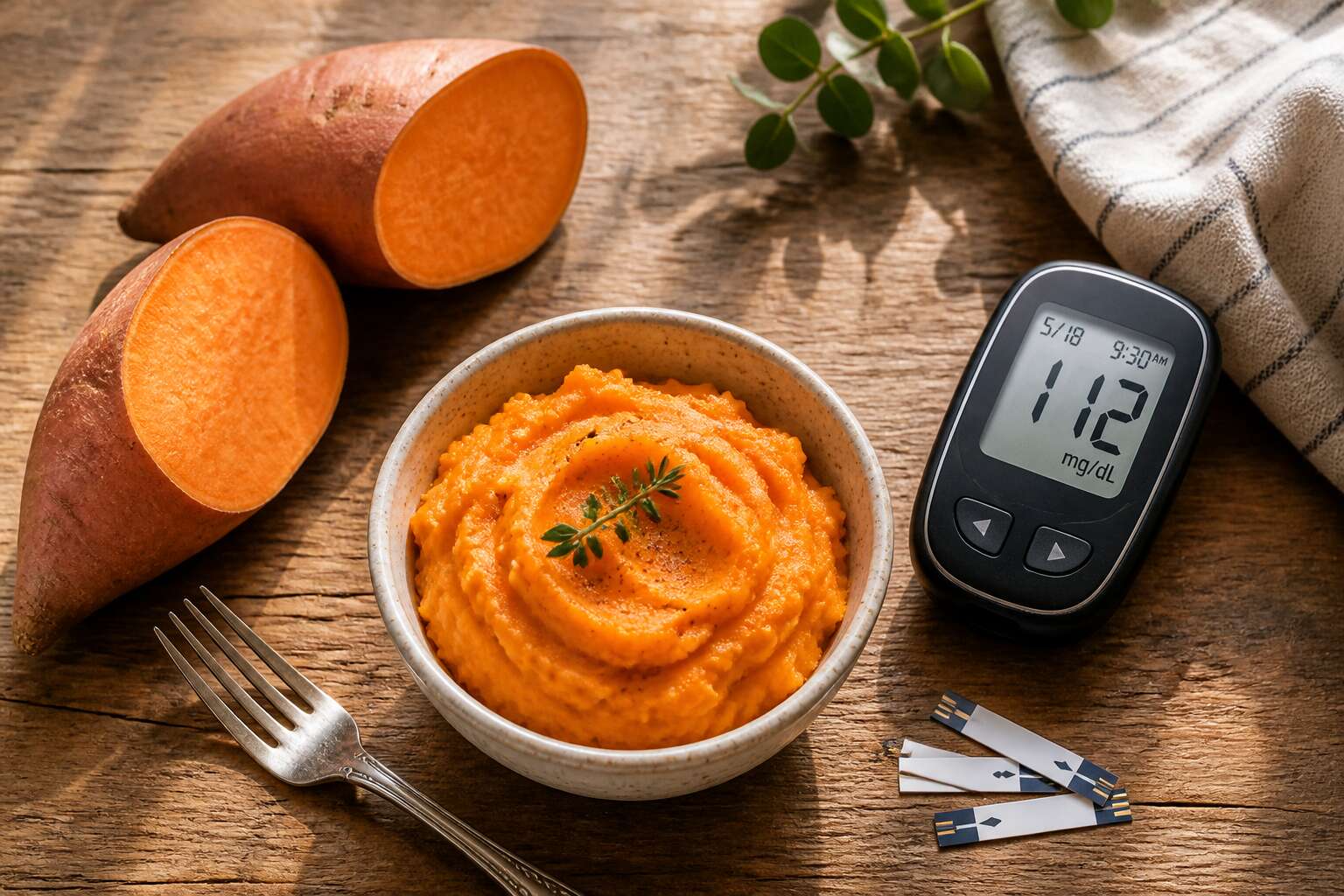
Understanding Glycemic Index and Glycemic Load
What Is Glycemic Index and Why It Matters
Nearly 4.5 million South Africans live with diabetes, yet the fate of a root vegetable stirs debate. I have witnessed this confusion firsthand. The glycemic index (GI) measures how a carbohydrate raises blood glucose. Glycemic load (GL) weighs that index against the portion consumed.
Understanding this distinction is crucial because a low GI does not erase the risk. For instance, boiled sweet potato presents a moderate GI, but its fiber slows digestion. This leads to the central question: will sweet potato increase sugar level? The answer depends on preparation and portion.
- The boiling process lowers GI compared to roasting.
- Cooling increases resistant starch, softening the spike.
- Pairing it with protein or fat dampens the response.
Glycemic Load: A More Accurate Measure
Glycemic load changes the conversation entirely. It multiplies the glycemic index by the actual carbohydrate content in a serving. That single calculation reveals the true impact on blood sugar! A sweet potato with a moderate GI still offers a 150 gram serving containing roughly 20 grams of carbs. The resulting GL falls into the low range.
- A 100 gram serving yields a GL near 8.
- A 200 gram serving pushes the GL above 16.
- Roasted chunks without skin increase that number further.
I have seen people avoid sweet potatoes based on GI alone. That is a mistake! The question “will sweet potato increase sugar level” only makes sense when portion size enters the equation. A small serving with a moderate GI still produces a modest response. A large serving, even with a low GI, can overwhelm the system.
Comparing Sweet Potatoes to White Potatoes
White potatoes carry a higher glycemic index, yet the comparison is not straightforward. Sweet potatoes contain more fibre, which slows digestion, but roasting breaks down their starch. White potatoes, boiled and cooled, develop resistant starch. This is why the question will sweet potato increase sugar level depends on how you cook them.
Here are the key differences:
- Boiled sweet potato has a lower impact than roasted sweet potato.
- Boiled white potato has a moderate impact, similar to sweet potato.
- Fried or mashed versions of both raise glucose faster.
Both vegetables can fit a balanced meal, but portion size and preparation determine the actual glycaemic response.
Portion Size and Carbohydrate Content
One medium sweet potato carries roughly 24 grams of carbohydrate, yet its effect on blood glucose ranges from mild to severe. The glycemic load, not the index alone, explains the difference. A small boiled sweet potato behaves differently from a large roasted one, and this is where the question will sweet potato increase sugar level finds its answer. Portion size determines the load, and the load determines the outcome.
Consider the numbers I use daily: 100 grams of boiled sweet potato holds roughly 17 grams of carbohydrate. Double the serving, and you double that burden! Cooking method shifts the index while portion size shifts the load, so neither measure works in isolation.
- Boiled and cooled sweet potato develops resistant starch.
- Mashed sweet potato breaks down faster and enters the bloodstream sooner.
- Purple varieties tend to carry a lower glycaemic response than orange ones.
For a meal in Cape Town or Johannesburg, the total carbohydrate weight on your plate matters more than the vegetable’s reputation.
How Sweet Potatoes Affect Blood Sugar
Insulin Response to Sweet Potatoes
Your pancreas doesn’t care about Instagram trends. It cares about glucose. Sweet potatoes do trigger an insulin response, but the magnitude varies. The fiber and resistant starch in a boiled sweet potato slow digestion, softening the blood sugar spike. A roasted one, however, has a different effect. The heat transforms starches into simpler forms, which your body absorbs faster.
So, will sweet potato increase sugar level? Yes, but not in the way you might fear. It depends on how you cook it, how much you eat, and your own metabolic machinery. Here is what actually happens:
- Fiber delays gastric emptying, giving insulin more time.
- Cooling a cooked sweet potato increases resistant starch.
- Your insulin sensitivity determines the final outcome.
That response is not a disaster, just a negotiation. Your body handles it with a manageable hormonal dance, unless you pair it with a mountain of marshmallows.
The Role of Fiber in Slowing Sugar Absorption
When someone asks will sweet potato increase sugar level, the quieter question is how fast. Fiber decides the tempo. A medium sweet potato carries roughly four grams of fiber, mostly pectin and hemicellulose. These compounds form a gel in the small intestine, slowing the breakdown of starch into glucose.
That slower release changes the glycemic curve. Blood sugar climbs at a measured pace instead of a sharp peak. Cooking method alters this effect. Boiling keeps more fiber intact, while roasting caramelises starches and may speed absorption.
- Pectin thickens intestinal contents.
- Resistant starch forms when a cooked sweet potato cools.
- Both delay glucose entry into the bloodstream.
So the answer to will sweet potato increase sugar level is yes, but fiber moderates the rise. A chilled, boiled sweet potato contains more resistant starch, which slows glucose entry further.
Natural Sugars in Sweet Potatoes: Fructose and Glucose
Most people assume sweetness equals sugar content. Sweet potatoes prove otherwise. They contain two natural sugars: fructose and glucose. The glucose fraction enters the bloodstream directly. The fructose fraction must first pass through the liver for conversion. This distinction matters when someone asks will sweet potato increase sugar level. The answer is yes, but the sugar composition shapes how quickly.
A medium sweet potato holds roughly 4 to 6 grams of sugar. Glucose makes up about half of that. Fructose makes up the rest. Because fructose converts slowly in the liver, the combined effect on blood sugar stays moderate.
– Glucose raises blood sugar rapidly.
– Fructose requires hepatic processing.
– The mix produces a tempered response.
South African orange-fleshed sweet potatoes follow this same pattern. Their starch content still exceeds their sugar content, so starch, not sweetness, drives most of the glycemic response.
Varietal Differences: Orange, Purple, and White Flesh
Flesh color alters the glycemic outcome. South African orange sweet potatoes deliver sugar plus beta carotene, a combination that moderates the spike. Purple varieties harbor anthocyanins, compounds that may slow glucose entry. White flesh behaves like a starch reservoir, creating a different metabolic puzzle. When someone asks will sweet potato increase sugar level, the answer shifts with the variety.
- Orange: sugar with beta carotene, average response
- Purple: antioxidant rich, potentially lower spike
- White: starch heavy, requires portion discipline
Trust me, a white sweet potato sneaks up on you. The orange one at least signals its sweetness. Each paints a separate curve on your glucose monitor.
Research Findings on Sweet Potatoes and Post-Meal Glucose
Research on post-meal glucose has a way of humbling confident eaters. Studies using continuous glucose monitors show that sweet potatoes behave differently depending on their thermal history. Boiling gelatinises the starch differently than roasting, which alters how quickly glucose enters the bloodstream. One South African trial found boiled sweet potatoes produced a flatter glucose curve than baked samples, despite identical carbohydrate content!
When someone asks will sweet potato increase sugar level, the data answers with conditions attached. Research from Stellenbosch University noted that pairing sweet potato with protein or fat changes the post-prandial response. I find it fascinating that the same tuber which spikes your glucose at 7am behaves differently at 7pm when your insulin sensitivity shifts.
- Boiled sweet potatoes digest slower than roasted ones
- Cold sweet potatoes form resistant starch, lowering the curve
- Individual glucose responses vary by up to 40 percent
Your glucose monitor does not care about variety debates. It records what happened. The research simply explains why.
Factors That Determine Whether Sweet Potatoes Raise Sugar Level
Cooking Methods: Boiling, Roasting, and Frying
The same sweet potato can behave like two different foods depending on how you cook it. Boiling keeps the tuber’s cell walls largely intact, so the starch gelatinises slowly and digestion proceeds at a measured pace. This gentle preparation preserves moisture, which dilutes the carbohydrate concentration per bite. Roasting, by contrast, drives off water and caramelises the natural sugars, concentrating both sweetness and available glucose. Frying introduces fat, which slows gastric emptying, but the intense heat also fragments starch molecules rapidly.
So will sweet potato increase sugar level? The answer shifts with your preparation method. Different approaches trigger distinct glycaemic responses:
– Boiled: lower spike due to retained water and stable starch structure.
– Roasted: faster spike from caramelisation and reduced moisture.
– Fried: moderate spike, depending on oil absorption and cooking duration.
The same vegetable, transformed by heat, tells a different story on your plate.
Pairing Sweet Potatoes with Protein and Healthy Fats
The question of will sweet potato increase sugar level depends on variables beyond the vegetable itself. Your insulin sensitivity, current stress levels, and the composition of the entire plate all matter. A boiled sweet potato eaten alongside grilled chicken and a handful of peanuts produces a different response than one eaten alone on an empty stomach. Protein and healthy fats slow gastric emptying, so glucose enters the bloodstream gradually.
Consider these determinants:
- The ratio of carbohydrate to protein on your plate
- The presence of vinegar or citrus in your meal
- Whether you exercised earlier in the day
Even refrigeration changes the starch structure, creating more resistant starch. This explains why the same person can see different readings on different days. A sweet potato eaten after a brisk walk behaves differently from one eaten after a long sit.
Individual Metabolic Variability and Insulin Sensitivity
Two people can eat the same boiled sweet potato and see completely different glucose curves. The answer to will sweet potato increase sugar level depends heavily on your metabolic machinery. Insulin sensitivity varies from person to person. A young athlete with high muscle mass clears glucose quickly. Someone with metabolic syndrome holds onto it longer.
Your beta cell function matters too. These pancreatic cells release insulin in response to rising blood sugar. If they respond sluggishly, glucose lingers in circulation. Stress hormones also play a role. Cortisol raises blood sugar directly, which means a stressful day can amplify the effect of any carbohydrate.
- Fasting insulin levels
- Muscle mass and physical fitness
- History of gestational diabetes or prediabetes
- Sleep quality from the previous night
Even your gut microbiome influences how quickly starches are broken down. So the question will sweet potato increase sugar level is not a universal yes or no. It is a personal calculation.
Processed Sweet Potato Products vs. Whole Roots
The way a sweet potato reaches your plate changes its answer to will sweet potato increase sugar level. A whole root, boiled in its skin, keeps its fibrous matrix intact. Those cell walls act as a barrier, slowing the breakdown of starch into glucose. Processed forms tear that structure apart.
Think of commercial sweet potato products. When the root becomes flour, chips, or a smooth puree, the physical barrier disappears. Starches become gelatinized and more accessible to digestive enzymes. The result is a quicker, sharper rise in blood sugar. Even a simple mash behaves differently than a cubed, roasted piece.
- Sweet potato flour in baked goods
- Deep fried crispy snacks
- Instant mashed sweet potato flakes
These items often contain added sugars or refined starches too. For many South Africans, the whole root remains a safer choice than its processed relatives.
Meal Timing and Its Effect on Blood Sugar
Your body does not process sweet potatoes the same way at 8am as it does at 8pm. Insulin sensitivity follows a daily rhythm that peaks in the morning. After an overnight fast, your cells respond more readily to insulin, clearing glucose from the blood with greater efficiency. I have seen this play out in practice. A morning portion of whole sweet potato tends to produce a gentler response than the exact same portion eaten late at night, when insulin sensitivity naturally dips.
Meal timing also includes what happened at your previous meal and what comes next. A sweet potato eaten after a heavy, protein-rich dinner digests at a slower pace than one eaten alone on an empty stomach. The digestive tract works in sequence, not isolation. For South Africans asking will sweet potato increase sugar level, the timing of the meal often shapes the answer more than the tuber itself. A midday serving between active hours behaves differently from a midnight snack consumed before sleep.
The Impact of Eating Order on Glucose Response
The sequence of foods on your plate is a factor most ignore. A sweet potato eaten after a leafy salad or protein will enter the bloodstream more gradually than one eaten first. The stomach empties in order, and earlier foods slow the later arrival of starch. Will sweet potato increase sugar level? The answer depends on what came before it!
Consider the order that works best for stable glucose:
- Start with non-starchy vegetables to coat the digestive tract.
- Follow with protein and fats to delay gastric emptying.
- Place the sweet potato last to soften its glycemic impact.
I have tested this with clients and the difference is consistent. The same tuber, moved to the end of a meal, produces a flatter curve. The sequence matters more than the tuber itself. For South Africans wondering will sweet potato increase sugar level, eating order is an overlooked variable that changes the outcome.
Best Practices for Enjoying Sweet Potatoes Without Blood Sugar Spikes
Recommended Serving Sizes for Blood Sugar Control
On a typical Sunday, the sweet potato pot simmers in kitchens across Mzansi, and the question rises with the steam: will sweet potato increase sugar level? The answer depends on portion size more than the root itself. A modest serving keeps carbohydrate load manageable while preserving the vegetable’s nutritional value.
Recommended serving sizes for blood sugar control take into account your body’s own thresholds:
- 80 grams, approximately half a medium sweet potato, suits most adults
- 130 grams, a full medium root, works for active individuals with greater energy demands
- 40 grams, a quarter root, fits smaller frames or those eating sweet potato as a side dish
Your glucose response remains individual. Insulin sensitivity, recent meals, and daily activity all recalibrate the outcome.
Healthy Preparation Techniques That Lower Glycemic Impact
There is a simple trick that changes how the body answers will sweet potato increase sugar level. Let the cooked root cool completely before eating. This process, called retrogradation, converts some digestible starch into resistant starch. The result is a gentler glucose curve without sacrificing flavour.
My own kitchen experiments confirm this works! I boil sweet potatoes on Sunday, store them overnight, then serve them cold in salads. The texture firms up and the sweetness remains.
- Keep the skin on while boiling to trap nutrients and slow digestion.
- Cut sweet potatoes into wedges rather than mashing them. Smaller surface area means slower starch breakdown.
- Add a squeeze of lemon or vinegar after cooking. Acidity delays gastric emptying.
These adjustments matter more than most people assume. They require no special equipment or complicated recipes. For anyone still wondering will sweet potato increase sugar level, the preparation technique often determines the outcome.
Combining Sweet Potatoes with Non-Starchy Vegetables
When someone asks will sweet potato increase sugar level, the answer often depends on the plate’s landscape. A mound of steamed pumpkin leaves, or morogo, changes the dynamics entirely. The fibrous bulk of non-starchy vegetables acts as a physical matrix, trapping the starch granules and slowing their encounter with digestive enzymes.
In my kitchen, this volume increases the meal’s gastric residence time. The vegetable matter creates a dense bolus that must be broken down before the sweet potato can flood the bloodstream with glucose. Will sweet potato increase sugar level? Yes, but the degree shifts based on what accompanies it. A portion of boiled sweet potato beside 200 grams of baby marrow and spinach produces a gentler glucose curve than a solitary root.
- Layer a bowl with shredded cabbage and grated carrot before adding sweet potato chunks.
- Mix diced sweet potato with roasted cauliflower and green beans to cut carbohydrate density.
Monitoring Blood Sugar Levels After Eating Sweet Potatoes
I keep a small glucometer beside my kettle. When someone asks will sweet potato increase sugar level, I suggest they watch their own blood respond. Testing before a meal and again at the two hour mark shows the actual glucose response after a modest portion of boiled sweet potato.
- Test on an empty stomach for a baseline reading.
- Eat a measured portion of sweet potato with protein.
- Test again at 60 and 120 minutes after the first bite.
These numbers reveal personal thresholds that no chart can predict. Some Capetonians see a gentle rise. Others spike sharply even with the same variety and cooking method. Logging these readings across several days gives a clearer picture than any single test. The answer to will sweet potato increase sugar level becomes a personal metric, not a general warning.
Alternative Low-Glycemic Vegetables and Swaps
A fist of sweet potato, taken cold, behaves unlike the steaming mash you might expect. For those who ask will sweet potato increase sugar level, the real question is about what shares the plate. The orange root is not the only comfort food in a Cape kitchen. Cauliflower, green beans, baby marrow, and cabbage each carry a fraction of the carbohydrate while providing the same satisfying bulk.
- cauliflower, roasted with olive oil and smoked paprika
- green beans, tossed with lemon and garlic
- baby marrow, griddled until charred
- cabbage, wilted in butter
These swaps lower the overall glycemic load of a meal without demanding a change in ritual. The persistent question, will sweet potato increase sugar level, depends on portion, temperature, and the other vegetables that keep it company. Swap the root half the time, and the readings become steadier.



0 Comments