The Caloric Reality of Sweet Potatoes
How Many Calories Are Actually in a Medium Sweet Potato
When you peel back the layers of a medium sweet potato, you find about 112 calories. That figure assumes a raw weight of 150 grams. Baking or boiling does not add fat, but butter or oil certainly will. So will sweet potato make you fat? Not by itself, and that is the crux of the matter.
The real issue is portion size and accompaniments. A single tuber is modest, yet many meals feature two or three. Caloric density matters, and sweet potatoes sit on the lower end of the starch spectrum. They also provide fiber, which slows digestion and promotes satiety. I have seen people worry unnecessarily about this vegetable while ignoring the extra cheese on top.
Breaking Down the Macronutrient Profile: Carbs, Protein, and Fat
People ask will sweet potato make you fat when they see the carbohydrate count. A medium sweet potato packs about 26 grams of carbs, 2 grams of protein, and less than a gram of fat. That carbohydrate is mostly starch and fibre, not sugar. The fibre changes everything! It slows digestion, keeps blood sugar steady, and stretches the feeling of fullness.
- 26 g carbohydrates
- 2 g protein
- 0.1 g fat
Compare that to a plate of pasta. The pasta has similar carbs, less fibre, and often a creamy sauce. Sweet potato delivers its energy with bulk and water weight. The protein is small, but it matters for muscle repair. The fat is virtually absent. So is the question really about the tuber? Or about the butter, the oil, the syrup?
I have weighed these tubers in my own kitchen. The answer to will sweet potato make you fat depends on the preparation, not the potato.
Why Whole Food Calories Behave Differently Than Processed Food Calories
A medium sweet potato delivers 112 calories. That number seems modest until you consider how those calories arrive. Whole food calories come wrapped in water, fibre, and plant compounds that slow digestion. Processed food calories arrive without those elements and hit your bloodstream fast.
Consider the difference in satiety. A boiled sweet potato keeps you full for hours. A processed snack with the same calorie count disappears in minutes. Your body burns more energy digesting the whole food, a phenomenon called the thermic effect of food. I have watched people finish a bag of crisps and still feel hungry.
Preparation changes the outcome:
- Boiling or baking preserves the fibre matrix that slows glucose absorption.
- Mashing and cooling increases resistant starch, which reduces net calorie uptake.
- Frying destroys the fibre structure and adds oil, which multiplies the calorie load.
The question will sweet potato make you fat misses this nuance. The whole tuber is not the culprit. Processing determines the outcome.
Glycemic Index, Fiber, and Blood Sugar Response
The Glycemic Index of Sweet Potatoes: Boiled, Baked, and Roasted Differences
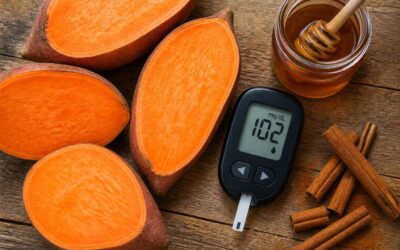
Ask whether will sweet potato make you fat, and the answer often hinges on how your body responds to its sugars. The glycemic index, or GI, measures that response. A boiled sweet potato comes in around 44, while a baked one can jump to 94. Roasting sits somewhere in between. This difference stems from heat and moisture, not the vegetable itself.
Fiber is the quiet regulator in this equation. A medium sweet potato delivers about 4 grams of fiber, which slows the release of glucose into your bloodstream. That slower curve reduces insulin spikes, and smaller insulin spikes mean less pressure to store energy as fat.
- Boiling keeps starch granules intact, lowering GI.
- Baking drives off water, concentrating sugars.
- Roasting caramelizes natural sugars, raising response.
How Soluble and Insoluble Fiber Slow Digestion and Promote Satiety
Ask whether will sweet potato make you fat, and the answer depends on more than calories. Fiber changes the equation entirely. A medium sweet potato carries about 4 grams of fiber, split between soluble and insoluble forms. Soluble fiber dissolves into a gel, slowing stomach emptying. Insoluble fiber adds bulk, speeding waste through the gut. Both keep blood sugar from climbing too fast, which reduces the insulin response that encourages fat storage.
This slower digestion also promotes satiety. You feel fuller for longer, so you naturally eat less later. For rural South African households, where sweet potatoes are a staple, that satiety matters. The concern about weight gain diminishes when the food keeps you satisfied without spiking glucose.
The Role of Resistant Starch in Cooled Sweet Potatoes
Cooling a boiled or baked sweet potato transforms its carbohydrates. The heat breaks down starch, but refrigeration turns a portion into resistant starch, a compound that skips digestion in the small intestine. It behaves like soluble fiber, slowing blood sugar response and feeding gut bacteria. That shift lowers the glycemic index of the potato substantially. A warm sweet potato might spike glucose, but a cold one, or one reheated after chilling, flattens the curve.
When you ask will sweet potato make you fat, consider this: resistant starch reduces the usable energy your body extracts, and it increases satiety beyond what fiber alone achieves. The specific benefits include:
- Lower insulin secretion after meals.
- More butyrate production for colon health.
- Reduced calorie absorption from the same food.
So the same sweet potato can behave differently depending on preparation.
Blood Sugar Spikes vs. Sustained Energy: What the Research Says
Blood sugar response determines energy storage. When glucose enters quickly, insulin spikes and signals fat storage. So the question will sweet potato make you fat depends on your metabolic context. Research shows sweet potatoes produce a lower glucose peak than white bread, though variety and cooking time change the response.
Sustained energy comes from slow carbohydrate digestion. Fiber creates a gel matrix in the gut, delaying gastric emptying. This prolongs glucose release into the bloodstream. Stable glucose means lower insulin, which reduces lipogenesis. In one study, overweight adults who ate boiled sweet potato for eight weeks showed improved insulin sensitivity.
- Sleep quality affects insulin sensitivity.
- Meal order matters; eating protein first lowers the glucose spike.
- Exercise increases glucose uptake without extra insulin.
So will sweet potato make you fat? The evidence says no when you eat it whole. Your metabolic health and preparation method matter more!
Sweet Potatoes vs. Other Carbohydrates
Comparing Sweet Potatoes to White Potatoes, Rice, and Pasta
The enduring question of whether sweet potato will make you fat often hinges on unfair comparisons. When placed beside white potatoes, rice, or pasta, the sweet potato frequently emerges as the more virtuous option, yet this status can lead to portion distortion. Consider the actual differences on your plate, not just the colour.
– White potatoes offer a rapid glucose release, while sweet potatoes provide a slower, more measured carbohydrate stream.
– Refined white rice and pasta have had their fibrous husks removed, which accelerates digestion.
– Sweet potatoes retain their skin, delivering a chewier texture that demands more chewing time.
Boiled or cooled sweet potatoes behave differently from their baked counterparts, especially when paired with a generous knob of butter or a creamy sauce. The real culprit behind weight gain is often the accompanying fat and the sheer volume consumed, not the tuber itself. So, will sweet potato make you fat? Only when the portion becomes excessive and the preparation adds unnecessary calories.
How Preparation Methods Change the Fat-Storage Equation
One sweet potato gets blamed for more weight gain than an entire shelf of sugary cereals, a remarkable achievement for a root vegetable! Compared to oats, quinoa, or butternut, sweet potatoes deliver similar carbohydrates with a lower calorie load per bite. The fat-storage equation shifts entirely when you change how you cook them.
Boiling adds no fat, each hundred grams stays around 87 calories. Frying in oil can triple that number and saturate the flesh with energy. Roasting concentrates natural sugars, while mashing with cream or butter introduces wanton calories. I have seen diets derailed by a single fried sweet potato wedge.
- Boiled sweet potatoes offer the least fat-storage risk.
- Roasted ones require no extra oil if done properly.
- Fried versions absorb oil and become a different food.
So, will sweet potato make you fat? Not by default. Only when you drown it in butter or drop it in a deep fryer. Keep the preparation simple, and your waistline remains safe.
The Satiety Index: Do Sweet Potatoes Keep You Fuller Longer?
Some carbohydrates leave you hungry an hour later, while others anchor your appetite for hours. Sweet potatoes fall into the latter camp. Their satiety index, the measure of how full a food keeps you per calorie, rivals that of oats and outpaces white rice. So when someone asks will sweet potato make you fat, the fuller response depends on what you compare it to. I have seen clients swap a bowl of pasta for a boiled sweet potato and eat less overall by evening.
The water and fiber in sweet potatoes add bulk without racking up energy. That physical weight stretches the stomach and triggers stretch receptors that signal fullness. Processed carbs, by contrast, compress into a calorie dense paste that slips through the system quickly.
- Boiled sweet potato: roughly 87 calories per 100 grams, high satiety
- White rice: roughly 130 calories per 100 grams, moderate satiety
- Refined bread: roughly 265 calories per 100 grams, low satiety
This satiety gap directly influences your daily energy balance. If a food keeps you fuller longer, you naturally consume fewer calories at subsequent meals. That is why the answer to will sweet potato make you fat remains no for most South Africans eating them boiled or roasted. The hunger suppressing effect is a quiet ally for weight management.
Sweet Potatoes as a Pre- or Post-Workout Fuel Source
Sweet potatoes behave differently from other carbohydrates in your training routine. A medium boiled sweet potato offers roughly 25 grams of carbs, which is enough to fuel a workout without the heaviness of refined pasta. Before exercise, that carbohydrate source gives you steady energy. After exercise, it restores glycogen while delivering potassium and vitamin C, which white rice cannot claim.
Compare that to a slice of white bread or a bowl of sugary cereal. Those options digest quickly and often leave you hunting for a second snack. The question, will sweet potato make you fat, becomes less about the potato and more about what you eat alongside it. A sweet potato with chicken and greens supports recovery. The same potato fried and smothered in margarine changes the story.
Hidden Calories: Butter, Marshmallows, and Other Common Add-ons
Consider the difference between eating a sweet potato and reading its calorie count. The tuber itself holds around 100 calories. Add a tablespoon of butter and you add roughly 100 more. Add marshmallows, a feature of many South African holiday tables, and you add another 90. The question, will sweet potato make you fat, rarely concerns the plain vegetable.
It concerns the dressing. The same potato boiled with cinnamon serves as a filling snack. The same potato baked under a layer of butter and brown sugar becomes a different dish entirely.
- Butter: 100 calories per tablespoon
- Marshmallows: 90 calories per half cup
- Brown sugar: 50 calories per tablespoon
Compare that to white bread or sugary cereal, which carry their own hidden sugars. The sweet potato is not the problem. The add-ons are.
Portion Control, Cooking Methods, and Dietary Context
Appropriate Serving Sizes Based on Your Activity Level and Goals
Portion control answers the question, will sweet potato make you fat, more than any single nutrient. A fist-sized portion, roughly 150 grams cooked, matches a sedentary day. Active people can handle 250 grams without tipping the energy ledger.
Cooking method changes the outcome. Boiling keeps moisture and lowers glycemic load. Roasting concentrates sugars. I pair sweet potatoes with protein or greens to ease glucose absorption.
Your activity level decides the right serving:
- Sedentary: one small sweet potato.
- Moderate exercise: one medium.
- Heavy training: one large post-workout.
Dietary context ties it all together. Sweet potatoes alone promote satiety. With butter or sugary toppings, they add excess energy. So will sweet potato make you fat? Only when portions exceed your needs and preparation adds hidden calories.
Frying vs. Baking vs. Steaming: How Oil and Temperature Change the Outcome
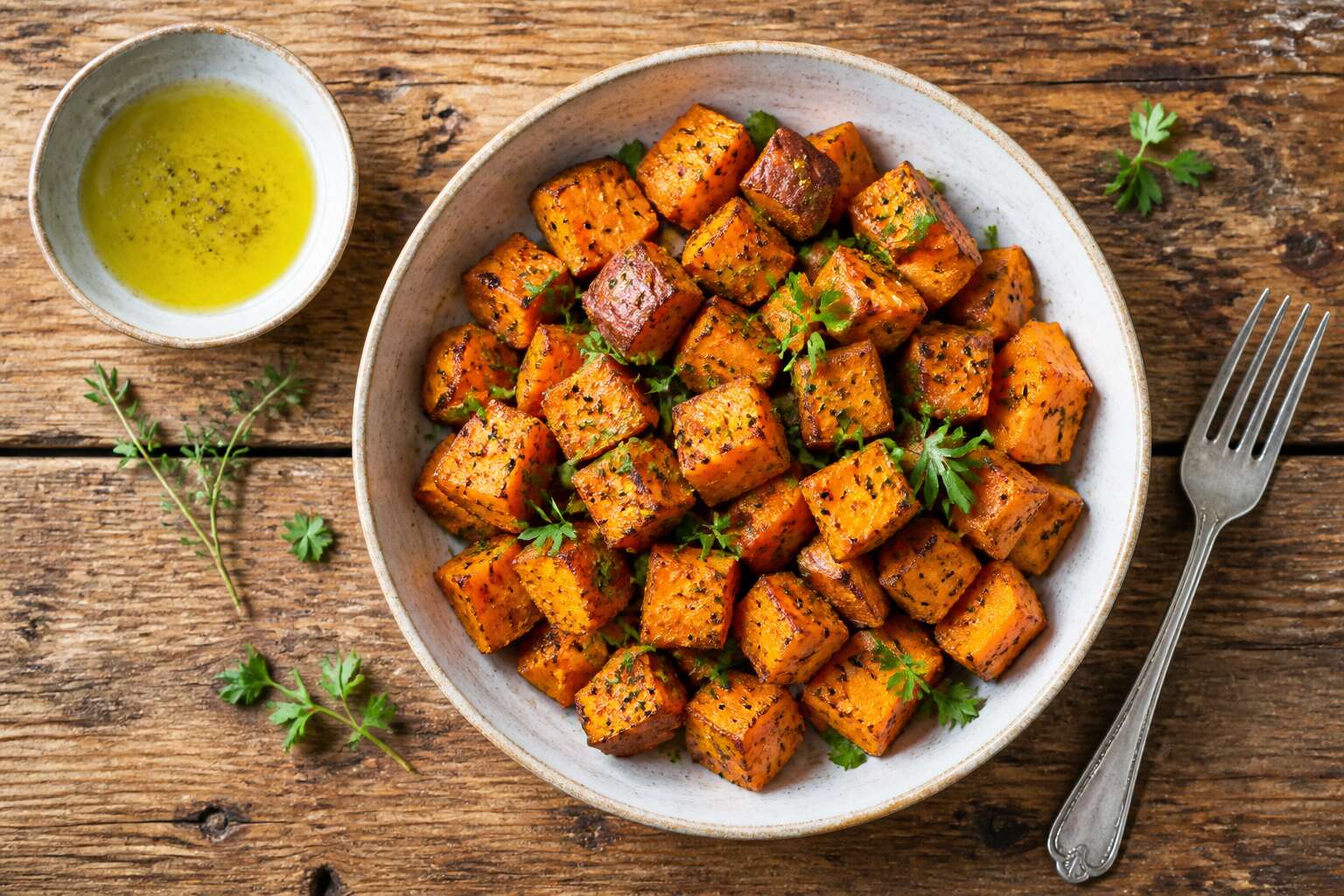
Frying transforms sweet potato into a sponge for oil. A single tablespoon of oil adds around 120 calories, and the high temperature drives moisture out, concentrating the flesh. Baking does something different. It caramelizes natural sugars without adding fat, but the longer cooking time raises the glycemic response. Steaming keeps the cell structure intact, slowing digestion and preserving water content.
Consider how each method changes the energy ledger. The question, will sweet potato make you fat, is often answered by the oil in the pan, not the tuber itself. Here is a quick comparison:
- Steaming: no added fat, lowest calorie density
- Baking: no added fat, but higher glycemic load
- Frying: added oil, up to 50% more calories
Temperature also matters. Frying at 180°C creates acrylamide, a compound linked to inflammation. Steaming at 100°C avoids that entirely. I always choose steaming for daily meals and reserve baking for occasional treats.
The Importance of Pairing Sweet Potatoes with Protein and Healthy Fats
Portion control answers the question of will sweet potato make you fat more directly than the tuber itself. A fist-sized serving, roughly 150 grams of cubed flesh, fits most daily energy budgets. Honestly, that is more generous than most people assume! I fill a quarter of my plate with sweet potato and let protein and vegetables claim the rest.
Cooking methods change how easily you overshoot that portion. Mashed sweet potato vanishes faster than roasted chunks because pureeing shortens chewing time. Whole pieces give your brain more time to register fullness.
Pairing matters just as much because protein and healthy fats reduce the glycemic response. Common pairings include:
- Slow-cooked lamb with steamed sweet potato
- Avocado slices on baked cubes
- Full-fat yoghurt beside roasted wedges
Each pairing shifts the metabolic response and changes the answer to will sweet potato make you fat on your plate.
How Eating Frequency and Meal Timing Influence Fat Storage
Eating sweet potato at dusk triggers a different hormonal cascade than eating it at dawn. Portion control still matters, but meal timing changes how those calories are used. The same fist-sized serving at 7 a.m. versus 7 p.m. alters insulin sensitivity. Your body’s circadian rhythm directs nutrient partitioning, so a late evening portion may shift toward fat storage more readily.
Cooking methods influence this equation. A slowly roasted sweet potato eaten during daylight allows for steadier glucose curves, whereas a quick boil at night can spike insulin just as your metabolism begins winding down.
Dietary context includes eating frequency. Consider these patterns:
- Two square meals with sweet potato.
- Four smaller meals that include it.
The latter usually prevents glucose valleys. So will sweet potato make you fat? Rarely, unless you ignore the clock and your own portion awareness.
Individual Variability: Genetics, Metabolism, and Gut Microbiome
Portion control depends on your activity level. A fist-sized sweet potato suits a sedentary workday; a larger bowl fits an athlete after training. But individual variability complicates the rule. Your gut microbiome, genetics, and metabolic flexibility alter how those carbohydrates are handled. Some people see a steady glucose curve; others experience a spike. Cooking methods also matter.
- Boiled sweet potatoes retain water and lower energy density.
- Roasted ones caramelize sugars and concentrate calories.
The same sweet potato behaves differently depending on your dietary context. So will sweet potato make you fat? Only if your personal physiology and portion choices work against you.
Signs You’re Eating Too Many Sweet Potatoes (and What to Adjust)
Your body sends signals when sweet potato portions drift into surplus. Persistent bloating after meals, a glucose curve that stays elevated for hours, or weight creeping upward despite regular training all point to excess. The cooking method compounds the problem. A roasted sweet potato delivers more concentrated calories than a boiled one, and butter or cream changes the equation entirely.
Dietary context matters. A sweet potato eaten alongside a fatty protein and leafy greens behaves differently than one eaten alone on an empty stomach. If you notice energy crashes or cravings shortly after eating, the portion likely exceeds what your metabolism can handle.
- Track your serving size for a week
- Swap roasted preparations for boiled or steamed
- Pair sweet potato with protein to slow glucose release
So will sweet potato make you fat? Only when portion control slips and preparation methods concentrate calories beyond your daily needs.


0 Comments