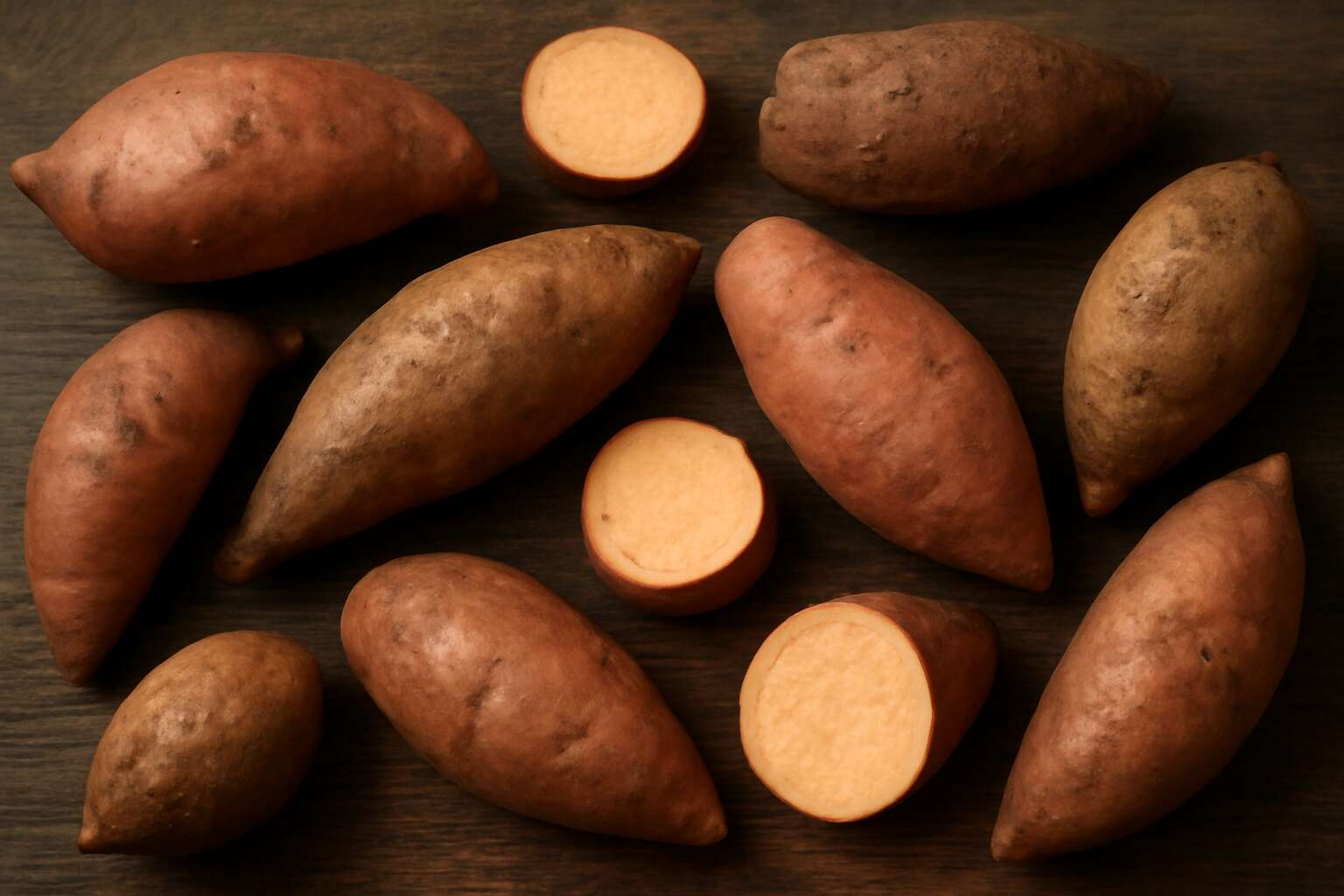
Yams and Sweet Potatoes: Core Differences in the Kitchen
Botanical Background and Varieties
In South Africa’s kitchens, the yam vs sweet potato debate pops up at every market stall. A surprising 40% of shoppers admit mixing them up. In the kitchen, yams are starchier and drier, with rough, brown skins; sweet potatoes are sweeter, creamier, with smooth, thinner skins!
Botanically, yams belong to the Dioscorea genus—native to Africa and Asia—offering dense flesh and fibrous textures. Sweet potatoes come from Ipomoea batatas, a different family altogether, and range from orange-fleshed to purple-fleshed varieties with varying sweetness.
- Yams: true yam types (Dioscorea rotundata and D. alata); rough skin; starchy, dry flesh.
- Sweet potatoes: orange-, white-, and purple-fleshed varieties; sweeter flavor and creamy texture; botanically Ipomoea batatas.
In South Africa, orange-fleshed sweet potatoes like Beauregard and Jewel are common, while true yams are found in specialty shops. For everyday meals, roasting or mashing highlights the differences driving the yam vs sweet potato conversation.
Texture and Color Characteristics
Shoppers at market stalls reveal a surprising truth about pantry misreads—40% mix yams and sweet potatoes in error. The yam vs sweet potato conversation isn’t merely a trend; it shapes texture, color, and how a dish breathes when heat hits it. The choice signals more than taste—it stamps the bite with character and mood.
Yams carry starchy, dry flesh and rough, brown skins. They resist quick softening, offering a dense bite that holds through roasting. Consider this quick contrast:
- Texture: dry, fibrous interior
- Skin: rough and earthy
- Culinary response: sturdiness under heat
Sweet potatoes bring a creamy center and smoother skins, with flesh tones from orange to purple. Their natural sweetness caramelizes, yielding a tender crumb that begs to be scooped or mashed. In the kitchen, texture and color emerge as a study in balance on the plate.
Flavor Profiles and Culinary Implications
In South Africa, 40% of shoppers admit mixing up yams and sweet potatoes at the stall, a misread that ricochets into our kitchens. That confusion hides a deeper truth about yam vs sweet potato: the two root crops carry distinct identities that shape every dish from start to finish!
Yams bring a starchy, dry flesh that withstands roasting and long braises; their rough, earthy skins frame a dense bite that resists quick softening. I notice how this solidity anchors a dish, giving structure even as flavors intensify. Sweet potatoes offer a creamy center and smoother skins, with flesh tones from orange to purple; their natural sweetness caramelizes into a tender crumb that begs to be mashed, scooped, or roasted until glossy. In kitchen practice, you choose texture as much as taste.
Myths and Misconceptions Debunked
In South Africa’s bustling markets, 40% mix up yam vs sweet potato at the stall—a misread with a real kitchen ripple. The distinction isn’t just colour; it’s the backbone of how a dish starts, braises, and finishes.
Myth-busting time: they’re not the same plant, and they don’t react the same way to heat. Yams offer a sturdy bite that holds through long braises, while sweet potatoes glide toward a creamy finish, their sugars softening into caramel.
- Myth: interchangeable in every recipe; Reality: they differ in structure and heat response.
- Myth: orange varieties are always sweeter; Reality: cooking method and variety shape the finish.
In the kitchen, the identity of each root guides the dish’s trajectory, not just its colour.
Nutritional Comparison at a Glance
Macro Nutrients and Calorie Breakdown
The clash of yam vs sweet potato unfurls like a midnight tapestry on a plate—the kind of duel that feeds more than hunger. In raw form, sweet potato clocks in around 86 kcal per 100g, while yam sits near 110–120 kcal, a subtle energy swing in South African kitchens.
Macros lean toward starch, with fats scarce and protein modest. Nutritional Comparison at a Glance: macro nutrients and calorie breakdown reveal the divergence. At a glance:
- Calories (per 100g): sweet potato ≈ 86 kcal; yam ≈ 110–120 kcal
- Carbohydrates: sweet potato ≈ 20 g; yam ≈ 27 g
- Fiber: sweet potato ≈ 3 g; yam ≈ 4 g
For South African tables, the choice hinges on the meal’s mood—more fiber and bite with yam, gentler sweetness with sweet potato. Numbers whisper a narrative that readers can trust at a glance.
Key Vitamins and Minerals
A swift micronutrient duet plays out in the yam vs sweet potato debate. Sweet potato’s beta-carotene vaults vitamin A into the spotlight, coloring plates with a sunny glow. Yam, meanwhile, sketches a steadier mineral melody—potassium and manganese marching to a more robust rhythm. Both tubers offer vitamin C and B-vitamins, yet the balance shifts with variety and origin. On a South African table, the choice often reflects what the meal needs—bright carotenoids or a heartier mineral backbone—without claiming one triumphs over the other.
- Vitamin A (beta-carotene) — standout in sweet potato
- Vitamin C — present in both
- Potassium — higher in yam
- Manganese — present, slightly higher in yam
- Vitamin B6 — present in small amounts
That micronutrient spectrum reflects a simple truth: the meal’s vitamins and minerals tell a story as vivid as its flavor. In the yam vs sweet potato debate, one isn’t simply choosing a winner but a complementary profile on a plate.
Dietary Fiber and Digestive Health
In South African kitchens, a humble tuber rivalry steals the dinner spotlight: yam vs sweet potato. The focus here is dietary fiber and digestive health, where the real drama isn’t calories but how the fiber behaves in your gut. Both bring bulk to the table, yet their fiber types do different work.
- Soluble fiber helps steady glucose and nourishes beneficial gut bacteria.
- Insoluble fiber adds bulk, aiding regularity and satiety.
- Resistant starch, more pronounced when tubers are cooled, supports colon health.
So, the choice comes down to texture, timing, and gut goals. yam vs sweet potato isn’t about a winner; it’s about dialing in the right fiber profile for the plate and the day.
Glycemic Index and Blood Sugar Impact
Glycemic index isn’t a verdict—it’s a map for how a meal can fuel your day. yam vs sweet potato reveals that the real tracer of blood sugar is how you cook and pair them, not how they’re labeled on the shelf.
Boiled and cooled tubers tend to produce a gentler glycemic response than their roasted cousins, thanks to higher resistant starch. When baked or fried, the sugars push higher, especially in some sweet potato varieties. The key is balance: a palm-sized portion with protein or fat slows the ride, smoothing energy throughout the afternoon on South African plates.
- Boiled, cooled preparations often yield a lower glycemic impact than baked versions.
- Careful portioning and pairing can keep blood sugar more stable after meals.
Ultimately, this isn’t a single verdict but a toolkit for timing and taste.
Antioxidants and Phytonutrients
In the pantry where color meets science, the real story isn’t sugar—it’s pigment and potential. “Color is nutrition wearing a smile,” a South African chef often reminds us. When you compare yam vs sweet potato, you glimpse two distinct nutrition wardrobes that color meals with meaning beyond calories.
Antioxidants and phytonutrients at a glance:
- Orange-fleshed sweet potatoes deliver beta-carotene, a vitamin A precursor with luminous health potential.
- Purple varieties (and some deep-red skins) host anthocyanins that support oxidative balance.
- Yams bring vitamin C and minerals, with polyphenols adding subtle anti-inflammatory notes.
On South African tables, the revelation of yam vs sweet potato is less a choice and more a revelation of color, culture, and resilience.
Culinary Uses and Cooking Techniques
Yams: Best Cooking Methods and Tips
Across South Africa’s winter tables, the yam makes a quiet, sturdy statement. As one South African chef puts it, “Yams are the sturdy workhorse of the pantry.” They hold up to long braais, curries, and roasts, offering a dependable canvas for bold spices and creamy sauces.
- Roasting whole or in wedges to concentrate sweetness
- Boiling or steaming for a soft, fluffy finish
- Frying into crispy chips or wedges for texture contrast
In contrast, the sweet potato veers toward caramel and sweetness; yam vs sweet potato highlights how technique shapes flavor. For yams, cooking gently preserves their starch; for a casserole or mash, chunk size matters and skins can be left on for texture.
Sweet Potatoes: Best Cooking Methods and Tips
From South Africa’s winter markets, sweet potatoes glow like embers in a long night’s crust. They carry caramel whispers and a velvet sweetness that lingers on the tongue. In yam vs sweet potato, heat becomes a language: gentle heat preserves starch while bold, quick sears coax molasses notes. A seasoned chef croons that caramel is the shadow side of comfort. Caramel is a memory you can taste!
Culinary uses reveal themselves in three gilded methods:
- Roasting whole or in wedges to deepen caramelization
- Boiling or steaming for a soft, fluffy interior
- Frying into chips or wedges for crisp texture
Pairings lean into smoky spice, citrus zest, and nutty drizzles, turning humble roots into a chorus of SA winter dinners.
Flavor Pairings and Seasonings for Each Type
In SA winter markets, these tubers headline family tables, offering starch, sweetness, and texture in equal measure. A single tuber anchors a dish from roasting to mashing, from smoky crust to velvet finish!
Yams carry an earthy backbone; they answer bold heat with smoky spice. Roasting in wedges deepens caramelization; boiling yields a soft interior; frying creates crisp chips. Pair with paprika, cumin, ginger, and lime for bright contrasts.
- Roasted wedges deepen caramelization
- Boiled/steamed for a soft interior
- Fried chips add crisp texture
Sweet potatoes bring velvet sweetness and caramel notes; in the yam vs sweet potato dialogue, they welcome warm spices—cinnamon, nutmeg, orange zest—and citrusy brightness from lime or bergamot. They shine roasted, mashed, or fried into fries, with coconut milk or maple whispers.
Signature Dishes by Cuisine
Across SA kitchens and global tables, culinary uses for yam and sweet potato run the gamut from rustic staples to elegant plates. Roasting til caramelized, boiling til creamy, or frying into crisp chips—each method reveals a different persona. In signature cuisines, the starch anchors sauces and stews while the natural sweetness brightens glazes and curries. This is where yam vs sweet potato reveals its nuanced diplomacy on the South African table.
- West African yam fufu paired with peppery stews—where the starch soaks up bold sauces.
- South African twists: roasted sweet potato wedges with braai spice and a lime drizzle.
- Caribbean and North American favourites: sweet potato fries and silky pies that finish a meal with velvet notes.
Texture and Creaminess in Different Preparations
In my SA kitchen, a quiet rivalry unfolds in the pan: yam vs sweet potato, two tubers that shape a meal’s mood. Roasting concentrates their natural sugars, gifting both with a lacquer of caramel; yet the yam stubbornly holds its structure in hearty stews, while the sweet potato tends to melt into velvet sauces. When I swap one for the other, the dish’s texture shifts from rustic to refined, letting a sauce cling or a glaze gleam.
- Creamy mash or silky purée when boiled or steamed
- Fluffy bake that holds its shape and carries spices
- Crisp-edged fries or chips with a delicate snap
From curry bases to braai accompaniments, texture shifts with technique: boil for creaminess, roast for bite, or fry for crunch—giving the tubers a refined diplomacy on the plate.
Buying, Storing, and Substitutions
Choosing Fresh Yams and Sweet Potatoes
Controlling a kitchen’s heartbeat begins with the tuber shelf. In South Africa, choosing yam vs sweet potato can tilt a dish before heat meets the pan. “The tuber tells the story of a dish,” a local chef says, and that truth guides every market wanderer.
Buying matters: yams should feel firm with dry, unblemished skin; sweet potatoes are smoother with vibrant flesh. Understanding yam vs sweet potato helps pick the right texture for roasting or mashing.
Storing is a quiet ritual—cool, dark, airy spaces tend to preserve tubers; the fridge rarely suits whole tubers, and notes of sprouting emerge if kept too long. Flavor stays strongest within a few weeks.
Substitutions when the preferred tuber isn’t available can save a dish.
- Parsnip or carrot for sweetness and bite
- Butternut or pumpkin for moisture
- White potato for a familiar starch
Storage Guidelines for Maximum Freshness
Freshness sells flavor on the plate. For South African cooks, yam vs sweet potato can tilt a dish before heat meets the pan. When buying, pick yams that are firm with dry, unblemished skin; choose sweet potatoes with smooth skin and vibrant flesh. The tuber tells the story of a dish.
Storage matters more than most people admit. Cool, dark, airy spaces keep tubers at their best; the fridge is rarely kind to whole yams or sweet potatoes. They stay freshest within a few weeks.
- Airflow-friendly storage supports longevity; avoid sealed plastic.
- Cool, dark spaces and distance from ripening produce slow sprouting.
Substitutions when the preferred tuber isn’t available can save a dish. Parsnip or carrot for sweetness and bite; butternut or pumpkin for moisture; white potato for a familiar starch.
- Parsnip or carrot for sweetness and bite.
- Butternut or pumpkin for moisture.
- White potato for a familiar starch.
Shelf Life Signs and Spoilage Indicators
Buying choices in South Africa hinge on the tuber’s personality. When weighing yam vs sweet potato, buyers assess firmness and skin condition: yams should wear dry, unblemished skins; sweet potatoes should feel firm with smooth skin and vibrant flesh beneath. The tuber tells the story of a dish before it hits the pan.
Storage matters more than most people admit. Store in cool, dark, airy spaces and avoid sealed plastic; the fridge is rarely kind to whole tubers. They stay freshest within a few weeks when ventilation is good and proximity to ripening produce is minimized.
Substitutions when the preferred tuber isn’t available can save a dish:
- Parsnip or carrot for sweetness and bite
- Butternut or pumpkin for moisture
- White potato for a familiar starch
Signs of spoilage are clear: soft or mushy areas, dark bruises, wrinkling, or mold on the skin; sprouting eyes are a warning; an off aroma means discard.
Substitutions: When to Swap Between Yams and Sweet Potatoes
Buying in South Africa’s markets often hinges on personality as much as price. When weighing yam vs sweet potato, buyers seek firmness, dry skins, and flesh that gives under gentle pressure. “The tuber tells the dish what it wants to be,” a veteran cook often says, and the right pick sets the tone for the rest of the meal.
Storage matters more than most admit. Store in cool, dark, airy spaces and avoid sealed plastic; the fridge is rarely kind to whole tubers. With proper ventilation and keeping them away from ripe produce, they stay freshest for several weeks.
Substitutions when the preferred tuber isn’t available can save a dish: when you need a quick swap, consider these options:
- Parsnip or carrot for sweetness and bite
- Butternut or pumpkin for moisture
- White potato for a familiar starch
Regional Availability and Seasonality Tips
Across South Africa’s markets, yam vs sweet potato becomes a seasonal pilgrimage rather than a simple grocery choice. Buyers chase provinces where harvests peak, selecting tubers with solid weight and unbroken skin, then letting regional availability guide tonight’s dish. The ebb and flow of seasons infuse flavor, texture, and price into every purchase.
To keep their best, store tubers in airy corners away from direct heat and sunlight, letting air circulate like a market breeze. The South African climate can quicken ageing, so mindful positioning matters for longer shelf life and a quiet, steady glow in every root.
When the preferred tuber isn’t on offer, regional availability and seasonality tips unlock creative substitutions that sustain a dish’s balance. Consider starchy stand-ins such as taro, cassava, or winter squash, adjusted to the recipe’s needs.


0 Comments