Nutritional Composition and Wellness Benefits
Rich Beta-Carotene and Vitamin A Content
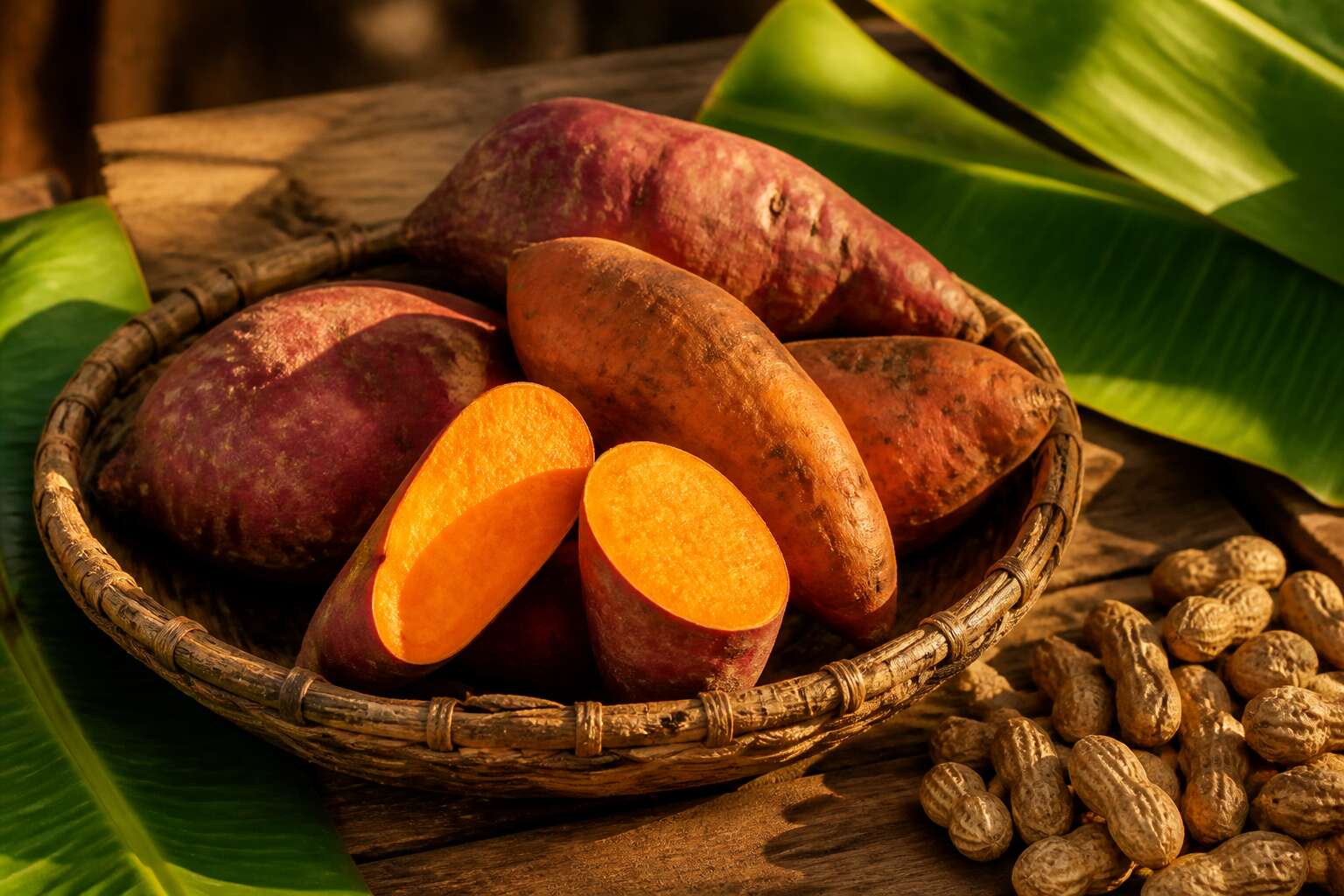
While many superfoods demand a passport and a translator, the humble african sweet potato is already at home in South African soil. This is fortunate, because it is quietly sorting out a national crisis: vitamin A deficiency. It is not magic, it is carotenoids. The orange flesh of this tuber is a pigment powerhouse. Your body converts its beta-carotene into retinol, the usable form of vitamin A, which is essential for immune function and cell growth.
A single medium serving can provide a significant portion of your daily requirement. This is not hypothetical nutrition. It is a biological fact. For a country where vision health is a major concern, this root vegetable acts as a dietary insurance policy. It supports eye health and helps to protect against night blindness. The payoff is substantial. Here is a breakdown of what this orange wonder brings to the table:
- Promotes healthy vision and reduces the risk of macular degeneration.
- Supports a robust immune system, reducing the severity of common infections.
- Contributes to skin integrity and cellular repair processes.
The african sweet potato does not need a marketing budget. Its vibrant colour is the advertisement. Nutrient density is its primary selling point. I would argue that it is the most effective health intervention you can grow in your backyard. It outperforms many expensive supplements with a single serving. The body absorbs these nutrients efficiently, especially when the potato is boiled or roasted with a small amount of oil. It is a complete package for foundational wellness.
Essential Mineral Profile (Potassium, Manganese, Magnesium)
Most nutritional analyses of the african sweet potato focus on its vibrant orange flesh. That is a mistake. The true complexity lies beneath the skin, in a mineral matrix that outperforms many commercial vegetables. Potassium is the primary player here. One substantial tuber delivers a payload comparable to a banana. This electrolyte regulates fluid balance and supports nerve transmission. It also counters the effects of sodium, a silent agitator in modern diets.
Manganese often gets overlooked. It is a quiet workhorse for bone structure and metabolic function. The african sweet potato provides a meaningful dose. Magnesium adds to the equation, aiding muscle relaxation and energy production. These elements do not work in isolation. They combine to support systemic wellness. The soil of South Africa imparts a distinct mineral richness to this crop. The result is a food that supports cardiovascular rhythm and electrolyte balance. It is a complete package for foundational wellness.
- Supports blood pressure regulation through potassium.
- Maintains electrolyte balance for optimal nerve function.
- Supports energy metabolism at the cellular level.
This mineral density is a hidden edge. It elevates the african sweet potato beyond a simple carbohydrate source.
Dietary Fiber and Glycemic Index Considerations
The skin of the african sweet potato is a quiet fiber frontier. While we praise the orange color, the outer layer holds a dense network of indigestible carbohydrates. This insoluble fiber does more than encourage regularity. It feeds the beneficial bacteria in the gut. A balanced microbiome is now linked to improved mood and a sharper immune response. The fiber also binds to bile acids, which the body then excretes. The liver must pull cholesterol from the blood to make more bile. This process naturally lowers circulating cholesterol levels.
Satiety is a practical benefit here. A meal with this tuber stays with you. The fiber slows the emptying of the stomach. This delays the return of hunger. It also moderates the digestive rate of the starches within the flesh. The glycemic index of the african sweet potato is moderate. This is a crucial distinction from white potatoes or refined grains. A moderate index means a measured release of glucose into the bloodstream. You get steady energy. You avoid the sharp spike and subsequent crash.
– Prolonged satiety supports portion control.
– Fiber binds to cholesterol for excretion.
– Slow digestion tempers post-meal glucose shifts.
This sustained release is the foundational reason this crop is used for endurance in rural communities. A stable fuel source powers the nervous system without the agitation of sugar surges. The balance of fiber and carbohydrate offers metabolic consistency. This is the nuanced value of the african sweet potato. Its composition addresses the mechanics of hunger and the chemistry of energy at once, making it a reliable staple for steady blood sugar management.
Cultivation Practices and Agricultural Requirements
Preferred Climatic Zones and Soil Types
The african sweet potato thrives where the dry season is short and nights stay above 15 degrees Celsius, a climatic sweet spot found across Zambia, Tanzania, and South Africa’s subtropical lowveld. Daytime warmth sparks vine growth, while cooler nights encourage root swelling. This balance explains why coastal KwaZulu-Natal outperforms the Highveld.
Soil texture matters as much as temperature. Farmers get their highest yields in deep, friable, sandy loams that drain freely after summer downpours. Heavy clay traps moisture and causes misshapen tubers, a problem I have seen ruin promising harvests. Experienced growers follow a similar playbook:
- Choose sites with a pH between 5.5 and 6.5
- Avoid ground that floods even once during the growing season
- Rotate with maize or legumes to break pest cycles
Altitude adds another variable. The african sweet potato tolerates elevations up to 2,000 meters, but maturation slows above 1,500 meters. In Lesotho’s highlands, farmers plant earlier in spring to stretch the season before frost.
Propagation: Slips, Cuttings, and Vines
Propagation begins with the vine, not the seed. For the african sweet potato, true seed is notoriously unstable, so farmers rely on vegetative methods to preserve exact traits. Slips, which are rooted sprouts pulled from a mature tuber, work well for early planting. Cuttings taken from vigorous vines also root quickly, but timing matters.
The best material comes from healthy mother plants with no pest damage. I have seen entire fields fail because cuttings came from stressed vines. Standard practice follows a simple rule:
- Take 30 cm sections from the vine tip
- Ensure each cutting has at least four nodes
- Plant two nodes below the soil surface
This method guarantees uniform growth and higher yields, which is why commercial growers in Limpopo rarely use seed.
Integrated Pest and Disease Management
The cultivated plot is a negotiation with entropy, a fragile truce between human intention and the soil’s quiet appetite. For the african sweet potato, this equilibrium demands more than a passing glance. The plant thrives when the grower understands the land’s particular temperament, its drainage, its history with prior seasons. Heavy soils that hold water like a grudge invite rot, so raised beds are a common salvation in regions where rainfall arrives with sudden, biblical intensity.
Weeds are the first adversaries, stealing sunlight and nutrients with silent efficiency. A disciplined regimen of mulching and shallow cultivation keeps them at bay. Yet the true warfare begins beneath the leaf surface. The african sweet potato host to a spectral cast of pests, from the soil-borne nematodes that gnaw at the roots to the wireworms that tunnel through the flesh, leaving dark galleries in their wake. I have walked fields where the damage was only visible at harvest, a bitter surprise.
The management of these threats relies on a strategy of observation and rotation. A field left fallow or planted with a cereal crop breaks the cycle, starving the pathogens of their host. Vigilance is the first defence against fungal blights, which spread like a whispered rumor through the canopy.
1. Monitor the underside of leaves for the pale eggs of the sweet potato fly.
2. Remove and destroy any plant showing signs of wilt or unusual mottling.
3. Introduce beneficial organisms or apply a targeted biological control when thresholds are met.
4. Rotate crops on a strict three year cycle to starve persistent soil pests.
Chemical interventions are a last resort, a blunt instrument that harms the delicate life of the soil. The health of the crop is ultimately a mirror of the ecosystem’s balance, a reflection of careful stewardship over reckless force.
Harvesting Indicators and Initial Curing Steps
The african sweet potato does not announce its readiness. Most South African cultivars reach harvest size between 90 and 120 days after planting. Roots develop best in well-drained ridges or mounds, with 30 to 40 centimeters between plants and a meter between rows. Water consistently for the first six weeks, then taper off so the plant directs energy into the roots.
Signs that the crop is ready:
– Lower leaves yellow and drop naturally.
– Soil above the mounds cracks slightly.
– A sample root snaps cleanly when bent.
Lift the roots with a fork, working from the outside of the mound inward. A careless strike can slice the flesh and invite rot.
Curing must happen within hours of harvest. Place the roots in a warm, humid space for five to seven days. The skin thickens and wounds seal. A shaded shed with damp hessian sacks works well. After curing, move them to a cooler, dry room to keep for months. The african sweet potato punishes haste.
Culinary Versatility and Traditional Recipes
Boiling and Steaming Methods for Everyday Meals
Night falls over the kitchen, and the african sweet potato transforms from a humble root into a warm, honest meal. Its natural sweetness deepens when exposed to gentle heat, a quality that has sustained households for generations. In South African homes, boiling and steaming remain the most trusted methods, preserving the dense flesh without adding heaviness.
– In KwaZulu-Natal, chunks are simmered with a pinch of salt until tender, then folded into leafy greens.
– Across the Cape, steamed slices accompany lightly spiced stews, their softness absorbing the rich broth.
– In many rural kitchens, the root is boiled whole with its skin, which peels away easily once cooled.
Each method draws out the subtle earthiness, creating a comforting side dish that asks for little. The african sweet potato does not demand complex preparation; it offers consistency. For daily sustenance, I find that a twenty minute steam yields the best texture, firm but yielding. This routine anchors many weekday suppers, pairing quietly with beans or grilled meats. The root stays versatile without losing its character, a reliable presence in the daily rhythm of cooking.
Roasting and Grilling Techniques for Enhanced Flavor
Fire transforms the african sweet potato in ways water never could. The sugars darken into a crust while the interior turns molten. Roasting over coals remains a trusted tradition in South African kitchens, and I have yet to tire of seeing the charred skin brushed away to reveal smoky flesh beneath.
Grilling produces a different character. Slices over open flame yield crisp edges and tender centres, absorbing the scent of the fire itself.
The root also lends itself to traditional recipes. Mashed with spices, formed into cakes and pan fried until golden. Cubed and roasted with onions until the natural sugars glaze each piece. It accepts sweet and savoury preparations without losing its identity.
- Roast whole at high heat for a deep, smoky core
- Grill thick slices over medium coals
- Pan fry mashed cakes until the outside crisps
These methods reveal a complexity that boiling cannot reach. The same dependable african sweet potato becomes something else entirely under direct heat.
Milling into Flour for Baking and Snack Production
The pantry transformation of the african sweet potato extends far beyond the dinner plate. Milling the dried roots into a fine flour unlocks a new spectrum of culinary versatility, a practice gaining traction in South African food production. This flour carries a naturally sweet, earthy profile and a moist crumb, making it a compelling addition to baked goods where it can replace a portion of wheat flour. The starch structure of the african sweet potato lends itself well to binding, creating a dense yet tender texture in breads and muffins.
Snack production has also embraced this ingredient. The flour serves as a base for extruded snacks, offering a gluten free option that holds up well to crisping. It also blends effectively into batters for a more substantial crunch.
– Use it to thicken stews and sauces for added body.
– Incorporate it into pancake or waffle batter for a nutritional lift.
– Mix with warm water to create a simple porridge base.
Further milling can be refined to create a smoother starch for use in noodles and pasta alternatives. The versatility of the african sweet potato in these processed forms presents a significant opportunity for local food innovation.
Incorporating into Hearty Soups and Stews
In the Eastern Cape, the african sweet potato often rests at the bottom of a three-legged pot, absorbing the flavours of lamb shank and smoked paprika. It is the base of many winter meals.
Diced into broth, the tuber releases natural sweetness that cuts through tomato acidity and chilli heat. It holds its shape, unlike the common potato, giving a firm bite that keeps a stew honest.
- Cube into oxtail stew during the last half hour.
- Mash into lentil soup to add body.
- Add to chicken and spinach stew for a hearty texture.
Most traditional recipes treat this root as a bulk ingredient, not a star. In my kitchen, I find it works best when given time to mingle, releasing sugars into the broth. What a difference that makes!
Creating Chips and Fried Preparations
The sizzle of hot oil transforms the humble root into something entirely new. When sliced thin and dropped into a pan, the african sweet potato develops a caramelised edge that crackles with every bite. Its natural sugars intensify under heat, creating a perfect balance of sweet and savoury.
Traditional South African kitchens have long favoured this method for its simplicity. Chips made from the african sweet potato require little more than salt and a squeeze of lemon. The flesh stays tender inside, while the exterior turns golden and crisp. This is street food at its most honest.
For the best results:
– Cut the root into even batons, about a centimetre thick.
– Soak in cold water for twenty minutes to remove excess starch.
– Dry thoroughly before frying to prevent splattering.
Beyond chips, the root lends itself to other fried preparations. Thin rounds become crunchy crisps, perfect for snacking. Grated and shaped into fritters, it pairs well with coriander and a dash of chilli. Each method celebrates the african sweet potato’s ability to crisp without drying out, a quality that sets it apart from other root vegetables. The oil does the work, but the tuber provides the soul.
Economic Significance and Market Opportunities
Local Market Channels and Informal Trade
From rural taxi ranks to neighbourhood spaza shops, the African sweet potato never sits idle. I have watched traders load a bakkie before sunrise, carrying freshly cured roots to a municipal market. That is the heart of economic significance in South Africa. Informal trade moves this crop fast, with no cold chain and no middleman bureaucracy.
Local market channels break down into a few familiar routes:
- Street vendors selling roasted slices at commuter hubs
- Community cooperative stalls in peri-urban areas
- Bulk buyers from school feeding schemes
Each route rewards the farmer directly. The African sweet potato does not need a warehouse to become cash. It needs a steady hand, a scale, and a spot where people pass daily.
Prices shift with rain and harvest timing, yet demand holds. This crop feeds families and funds school fees in one transaction. For millions, it is the quiet engine of the local economy.
Export Potential and International Demand
I have watched export agents reject perfectly good sweet potatoes for nothing more than skin blemishes. Beyond the local taxi rank, the african sweet potato is moving into European and Middle Eastern markets. Buyers want deep orange flesh, high dry matter, and consistent sizing. Heat and variable rainfall barely trouble this crop, which makes it an attractive contract option for South African growers.
Exporting demands more than a good harvest! Phytosanitary certification, curing protocols, and packhouse grading become non-negotiable. Farmers who meet these standards access premium prices. Frozen pre-cut cubes, mashed puree, and flour are gaining traction overseas. Demand patterns vary by region:
- Netherlands and Germany import significant volumes from Africa
- United Arab Emirates values smaller, sweeter roots for retail
- China’s appetite for purple-fleshed varieties is growing
Each channel requires a different root profile. The african sweet potato, with its genetic diversity, can supply them all.
Value-Added Product Development (Juices, Purees, Starch)
Walk into any formal retail chain and the african sweet potato sits there with a price tag. That is the visible economy. I have watched small producers double their income by moving beyond fresh sales. The true value hides in processing! Juice extraction, puree production, and starch recovery create revenue streams that fresh sales alone cannot match. Consider the buyers:
- Beverage manufacturers need high beta carotene juice.
- Bakeries want consistent puree viscosity.
- Industrial food producers require starch with a neutral flavor.
Each extension adds shelf life and reduces post-harvest loss. A small cooperative can begin with a grater and press. Larger operations invest in drying tunnels. The african sweet potato rewards those who look beyond the root itself.
Role in Food Sovereignty and Household Income
The african sweet potato is a reliable income source for rural South African households. Smallholders who plant even a quarter hectare can earn steady weekly returns during harvest months. Market opportunities extend well beyond formal retail. Street vendors, spaza shops, and food service buyers all need consistent supply. This demand creates room for producers who understand grading and delivery schedules.
This crop also supports food sovereignty. It grows in marginal soil where maize often fails. Households that cultivate their own food spend less on purchased staples. Surplus production converts directly into household income.
Benefits for smallholder families:
– Staggered planting spreads income across seasons
– Lower dependence on expensive grains
– Nutritional security without cash outlay
– A buffer against market price shocks
The combination of subsistence value and cash generation explains why the african sweet potato remains central to rural livelihoods.
Storage, Preservation, and Post-Harvest Handling
Curing Techniques for Extended Shelf Life
After harvest, the work is not finished. Proper curing determines whether the african sweet potato lasts a week or several months. The process is simple, but it demands attention.
Curing involves placing freshly dug roots in a warm, humid place for several days. This heals surface wounds and thickens the skin. Farmers in Limpopo often use shade structures covered with wet hessian sacks. Aim for around 30 degrees Celsius and high humidity.
Once cured, storage matters:
- Keep roots in well-ventilated crates, not plastic bags.
- Maintain temperatures between 13 and 16 degrees Celsius.
- Check regularly for sprouting or soft spots.
Temperatures below 10 degrees cause chilling injury. A farmer who cures properly can hold stock until the off-season, when prices climb.
Optimal Storage Conditions (Temperature and Humidity)
Most people assume the harvest is the finale, but the real art begins in the storeroom. The african sweet potato is a living organism even after it is pulled from the soil. It continues to respire, to lose moisture, and to respond to its environment. The difference between a crop that crumbles and one that sustains a household through winter lies entirely in the conditions you provide.
The ideal environment is a careful balance. You want a temperature range of 13 to 16 degrees Celsius, which is cooler than curing but far warmer than a standard fridge. Humidity must hover near 85 percent to prevent the skin from shriveling while avoiding the dampness that invites rot. A simple thermometer and a hygrometer are the only tools you truly need.
Ventilation is the silent partner in this process. Stagnant air creates pockets of condensation, which is an open invitation for fungal growth. Proper airflow is crucial, especially in the humid coastal regions of KwaZulu-Natal.
– Store roots in wooden or plastic crates that allow air to circulate.
– Avoid stacking containers directly against a wall to promote airflow.
– Inspect the batch weekly and remove any root showing the first sign of softness.
The payoff for this diligence is significant. A well-managed store allows you to hold your product for months, bypassing the glut of the main season and commanding a higher price when demand outstrips supply. For the smallholder, this is not just preservation. It is a strategic financial decision.
Processing into Dried Chips or Flakes
Sometimes fresh storage only delays the inevitable. I have seen whole crates of roots rot while farmers wait for prices to rise. Processing into dried chips or flakes halts decay completely. The african sweet potato is sliced thin, and gentle heat drives off the moisture.
The output breaks into two useful forms. Dried chips offer a sturdy crunch suitable for snacking. Flakes dissolve into hot water, creating a smooth porridge without peeling or boiling raw roots.
- Moisture content must drop below 10 percent for safe packing.
- Drying concentrates natural sugars, intensifying the inherent sweetness.
- The final weight drops by nearly two-thirds, reducing transport costs.
This is preservation without a freezer. The african sweet potato, in flake or chip form, moves from a rural shed to an urban shelf without losing its character.
Freezing and Refrigeration Practices
Cold opens a second front against spoilage. The african sweet potato, when stored below 10 degrees Celsius, risks chilling injury. Yet freezing changes the equation entirely. I have seen traders double their selling window by blanching roots, shocking them in ice water, and sealing them in heavy-duty bags.
Refrigeration, by contrast, demands care. Whole roots keep best at 12 to 15 degrees Celsius with high humidity. Any colder, and the starch converts to sugar, producing an off-taste. For cut pieces, a standard fridge works for only a few days.
- Blanch slices for three minutes to stop enzyme activity.
- Drain thoroughly to avoid ice crystals that ruin texture.
- Freeze at negative 18 degrees Celsius for up to six months.
This method preserves the african sweet potato without the weight loss of drying. Thawed pieces cook faster, and the natural sweetness remains intact.


0 Comments