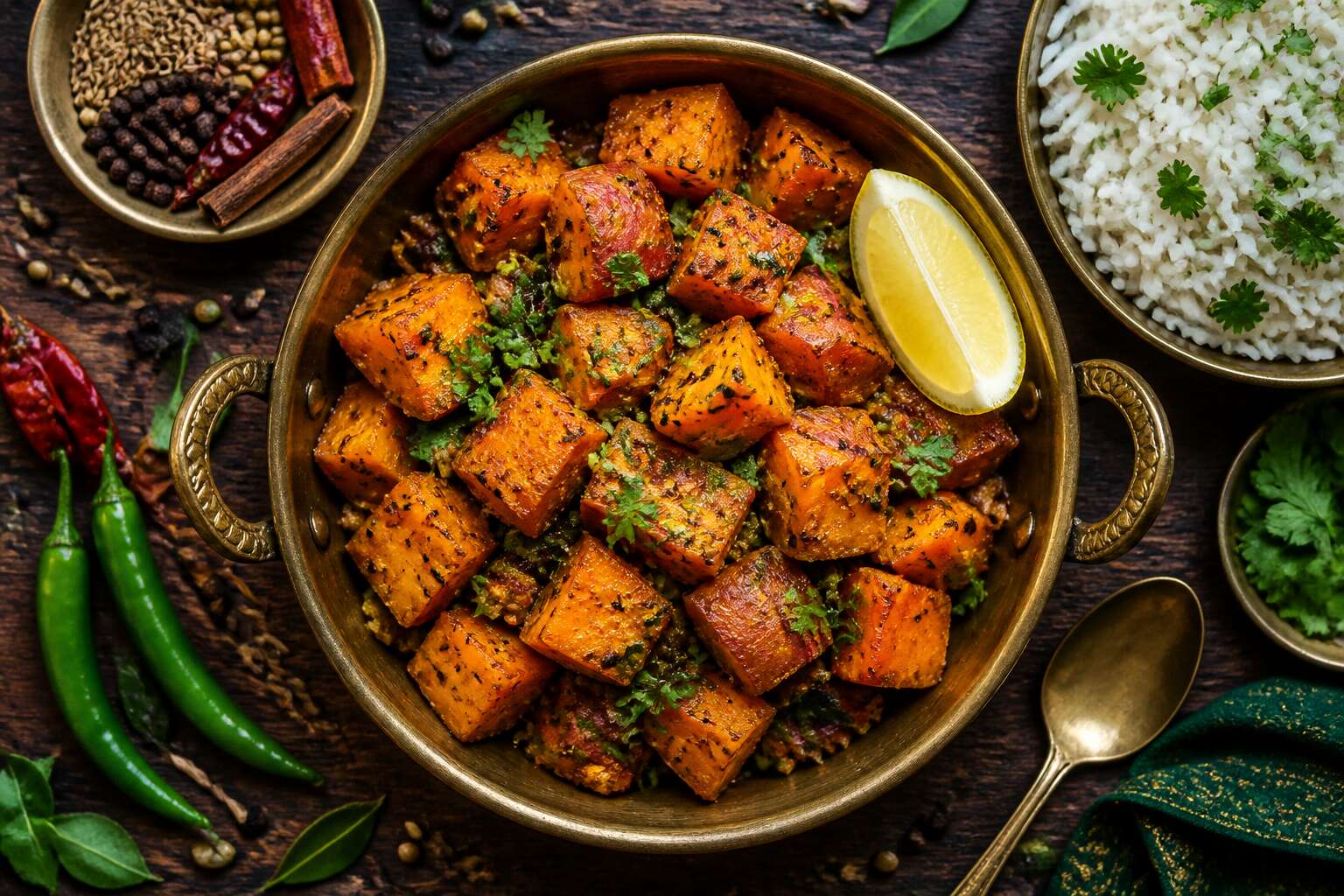
The Role of Sweet Potatoes in Indian Cooking
Historical and Cultural Significance
Sweet potatoes reached India with Portuguese traders in the 16th century and quietly settled into the subcontinent’s culinary identity. These tubers appear in Gujarati undhiyu, Bengali snacks, and countless festive dishes. Their natural sweetness tempers chili, tamarind, and mustard oil, which is why so many sweet potato recipes indian lean on bold spices instead of sugar.
The cultural significance runs deep. During fasting days, households treat sweet potato as permitted food, roasting it with rock salt and cumin. It also appears in temple offerings across Tamil Nadu and Maharashtra.
– It fuels winter street food stalls in Mumbai.
– It anchors harvest celebrations in Kerala.
– It shows up in Ayurvedic texts as a grounding, energy rich ingredient.
This history shapes how you cook. Every curry or stir fry built on sweet potato recipes indian carries centuries of adaptation and a little bit of colonial trade.
Regional Variations Across India
Each region handles the sweet potato differently, and those differences are worth studying. Bengal shallow fries thin slices with nigella seeds and serves them as a snack. Kerala simmers chunks in a coconut milk curry. Tamil Nadu grates the tuber and tosses it with mustard seeds and curry leaves. The local pantry dictates every move.
- In Punjab, roasted cubes are dusted with chaat masala and sold from winter carts.
- In Maharashtra, a peanut and sesame masala coats the tuber in a dry, fiery stir fry.
- In Kashmir, sweet potatoes simmer in a fennel scented yogurt gravy.
These regional approaches shape the most practical sweet potato recipes indian, where local spice blends and fats do the heavy lifting. The tuber keeps its density, and that is exactly why so many kitchens trust it.
Nutritional Benefits and Ayurvedic Perspective
One medium sweet potato supplies over 400% of your daily vitamin A, a fact that explains its quiet authority in Indian cooking. Ayurveda classifies this tuber as balancing for vata and kapha doshas, though its sweet quality can aggravate pitta in excess. The fibre slows sugar absorption, offering steady energy.
Orange flesh signals beta carotene, while purple varieties contain anthocyanins. Indian kitchens pair sweet potatoes with turmeric and black pepper to boost nutrient uptake. That is why sweet potato recipes indian include ghee or coconut oil, unlocking fat soluble vitamins. The Ayurvedic view values the tuber for grounding warmth.
- Complex carbohydrates for endurance
- Potassium and magnesium for muscle function
- Soluble fibre for digestive balance
Seasonal winter eating aligns with these properties, supporting internal heat. I find that grasping this nutritional profile deepens your approach to sweet potato recipes indian, turning each dish into a deliberate act of nourishment!
Common Spice Pairings and Flavor Profiles
Sweet potatoes in Indian cooking act as a quiet sponge for bold spices. Their inherent sweetness and starchy body respond to a hot oil tempering, where mustard seeds, curry leaves, and dried red chilies crackle and release complexity.
Pairing principles often follow a logic of contrast. Consider these classic matches:
- Cumin and ginger for a warming, citrus undertone
- Chat masala and black salt for a tangy foray
- Fresh coconut and coriander for cooling brightness
When I roast sweet potatoes with a sprinkle of amchoor and turmeric, the flesh turns caramel yet stays grounded. Building a sweet potato recipes indian dish starts with this spice grammar, where every addition sharpens or softens the root’s natural voice.
Essential Ingredients and Preparation Techniques
Selecting and Storing Sweet Potatoes
Choose sweet potatoes with taut skins and no yielding soft spots. The flesh should resist pressure. In South Africa, look for roots with intact stem ends, because damage there leads to early decay. A faint musty odor signals rot.
Keep your selection in a cool, dark pantry, never the fridge. Refrigeration turns starches to mush. For sweet potato recipes indian, scrub the roots and roast them whole until a knife slides through, then peel while warm.
- Feel for firmness across the entire surface.
- Inspect for cuts, bruises, or blackened patches.
- Select heavy roots, as lightness means fibrous flesh.
Roasting whole captures the root’s natural depth, which pairs well with mustard seeds and curry leaves. It is a patient, quiet method that rewards attention.
Peeling, Cutting, and Shaping Methods
The first step in sweet potato recipes Indian is often the most overlooked. Peeling is a tactile act, a whisper of the skin giving way to the bright flesh beneath. A sharp vegetable peeler is the correct tool; a knife is for more stubborn patches. After a roast, the skin slips off almost willingly.
Once peeled, the cutting method defines the dish entirely. Even cubes ensure uniform cooking in a simmering curry, while thicker wedges will hold their shape under a dry spice rub. For a magnificent mash, rough chunks are perfect, as they soften and collapse quickly.
The most common shaping for sweet potato recipes Indian begins with equal dice. These are dispatched toward separate culinary fates, some for the pressure cooker, others for a hot pan with cumin.
– Dice into 2 cm cubes for curries and stews.
– Cut into 3 cm wedges for roasting.
– Slice into rounds for layered bakes.
– Leave whole for a straightforward boil.
For the famed chaat, the sweet potato is often boiled and then diced small, allowing the tangy chutneys to cling to every surface. Shredding the raw root creates a delicate fritter base, or bhaji, which requires only a light hand with gram flour. The preparation is where intention meets ingredient, a silent prelude to the aromatic performance that follows.
Steaming vs. Roasting: Texture Considerations
For sweet potato recipes indian, steaming and roasting are not interchangeable. Steaming hydrates the starch, creating a tender, silky flesh that collapses into curries and lends itself to smooth bakes. Roasting, by contrast, coaxes out natural sugars through a dry heat that browns the edges and leaves the center pillowy. The texture dictates the dish.
I prefer steaming for a light dinner mash or for chaat where the cubes must absorb chutneys without disintegrating. Roasting suits heartier preparations, like a spiced tray bake with chickpea flour crusts.
- Steamed flesh: soft, delicate, quick to absorb flavors
- Roasted flesh: dense, caramelized, holds its shape beautifully
Choosing one method over the other changes how the spices cling and how the bite responds. A simple swap can transform the entire experience of a hearty Indian meal.
Tempering and Spicing for Authentic Taste
Tempering is the moment sweet potato recipes indian truly come alive. I heat oil until it shimmers, then drop in mustard seeds and wait for them to sputter. Curry leaves follow, then a pinch of asafoetida. This sequence builds the aromatic base that turns simple vegetables into something memorable.
For authentic taste, the order matters more than people expect. Spices bloom at different temperatures, and rushing the process dulls the final flavour.
- Start with whole spices in hot oil to release their volatile oils
- Add ground spices after the base onions soften
- Finish with fresh herbs and a squeeze of lime
The sweet potato’s natural sweetness responds well to this layered approach. Each spoonful carries the faint bitterness of fenugreek or the warmth of Kashmiri chilli, all held together by the creamy flesh.
Classic Indian Sweet Potato Dishes to Try
Sweet Potato Curry with Coconut Milk
Every South African kitchen needs a one pot meal that delivers without fuss. Sweet potato curry with coconut milk fits that need perfectly, offering a rich sauce that clings to each forkful!
The magic lies in the simmer. As the sweet potato cooks down, it thickens the coconut milk into a gravy that balances sweetness with earthy spice. I often adjust the components to suit the week. For example:
- Add canned chickpeas for extra protein.
- Stir in chopped greens like spinach or kale at the end.
- Top with toasted cashews for crunch.
That adaptability is what keeps sweet potato recipes indian relevant, even as new food trends come and go.
Spicy Roasted Sweet Potato Wedges
Some dishes just need to get out of the pot and onto a tray. That is the case with spicy roasted sweet potato wedges. They strip away the gravy and focus entirely on the vegetable’s natural character. The high heat of the oven, something a South African braai culture understands well, transforms the flesh into something crisp-edged and deeply caramelised.
I prefer a simple coating of oil, turmeric, and a generous pinch of chilli powder. A good masala blend also works beautifully here. The spice clings to the surface, creating a fiery crust that contrasts with the soft interior. Serving them with a fresh coriander chutney for dipping is a must. They work as a side to grilled meats, or as a snack on their own. This approach to sweet potato recipes indian highlights how a few pantry staples can shift a simple root vegetable into proper focus.
Sweet Potato Bhaji for Snacking
There is a quiet ritual to snacking in India. The chai steeps, the oil shimmers, and sweet potato cubes tumble into the pan with a soft hiss. A bhaji is not a full meal. It is a deliberate interruption, a small act of self care that forces you to stop and inhabit the present.
For me, the best bhaji uses minimal fuss: mustard seeds, curry leaves, a pinch of asafoetida, and turmeric. The sweet potato keeps its shape, but its edges soften and begin to surrender to the spice. I like to finish with lemon juice and fresh coriander. The contrast between the earthy tuber and the sharp tempering is, frankly, existential!
- A squeeze of lime after cooking
- A handful of crushed peanuts for texture
Within the spectrum of sweet potato recipes indian, this one respects patience over technique. It asks nothing of you but attention.
Stuffed Sweet Potato Paratha
Among sweet potato recipes indian, the stuffed paratha demands the most from the cook. The filling finds every crack in the dough. One imperfect fold and the sweet potato escapes onto the tawa. A properly sealed paratha, with its golden crust and molten centre, is worth the anxiety.
I pair mashed sweet potato with ginger, green chilli, and amchur. The dried mango powder provides acidity that balances the tuber’s natural sweetness. Roll gently. Heavy hands tear the dough.
Three principles govern a successful filling:
- Roasted sweet potato, not boiled
- Seasoning added while warm
- A thorough cooling period before sealing
A well-made paratha says more about your temperament than your technique. No chutney required.
Sweet Potato and Lentil Dal
In the parade of sweet potato recipes indian, a dal may seem unassuming. But this dish earns its place through patience. Toor dal and diced sweet potato simmer together until they lose their boundaries. The sweet potato softens into the yellow broth, thickening it without effort. A tempering of mustard seeds, curry leaves, and a whisper of asafoetida lands on top with a hiss. The result is a bowl that clings to the palate, neither too thin nor too heavy. One spoonful over steamed rice, or sopped with a bhakri, reveals why this pairing has endured. It does not clamour for attention. It simply delivers.
Sweet Potato Chaat with Chutneys
Street chaat thrives on contrast. Sweet potato cubes are roasted until their edges darken and blister. Tamarind pulp brings a sour foundation. Mint chutney cuts through with sharp, herbal lift. A fine dusting of chaat masala ties the two together.
- coriander and green chilli chutney
- sweet tamarind date chutney
- yogurt whipped with roasted cumin
In the range of sweet potato recipes indian, this chaat respects the base ingredient. The chutneys cling to every ridge. Each bite moves from crisp to soft, from tart to mellow. The tuber never disappears.
Healthy and Quick Sweet Potato Recipes
One-Pot Sweet Potato Rice
One-pot sweet potato rice is the quiet workhorse of weeknight cooking, a dish that transforms humble ingredients into a deeply satisfying meal. The sweet potato breaks down as it simmers, releasing its natural sugars into the grains and creating a creamy, almost silky texture that needs no extra fat.
The technique is simple, yet the result feels far more considered than the effort requires. You begin by sautéing whole spices in hot oil, allowing the mustard seeds to pop and the curry leaves to crisp. Then, the cubed sweet potatoes join the pan, coated in the fragrant oil before the rice and water are added. Everything cooks together under a tight lid, and the steam does the work of melding all the aromatics.
– Rinse the rice thoroughly to remove excess starch.
– Use a heavy bottomed pot to ensure even heat distribution.
– Let the rice rest for five minutes after cooking before fluffing.
What makes this one of the most valuable sweet potato recipes indian is its adaptability. The base is forgiving, welcoming a handful of peas or a spoonful of roasted peanuts for texture. The finished dish can be eaten simply with yogurt or dressed with a squeeze of lime for brightness. It is a complete, nourishing meal that reminds you that good food does not require elaborate staging, only the right patience and a bit of trust in the process.
Air-Fried Sweet Potato Fries
Air-frying is a mild sort of social performance. You place the sweet potato batons in the basket, set the timer, and then act as though you have done something both virtuous and effortless. The machine does the work, and the result is a plate of fries that need no deep pot of oil, no splattered stove. For those in search of sweet potato recipes indian that are quick and healthy, this is the practical answer!
The spices matter, but not in the way you might expect. A dusting of toasted ground cumin and a pinch of kashmiri chilli after cooking gives a warmth that clings to the naturally sweet flesh. The air fryer also spares you the guilt of having to ventilate the house. It hums, it stops, and dinner is ready. I confess, I use mine more than I care to admit.
Sweet Potato and Chickpea Salad Bowl
Some evenings demand a meal that refuses to labour. I find that a sweet potato and chickpea salad bowl comes together in the time it takes to boil rice elsewhere. Cube the sweet potato, toss with oil, turmeric and a hit of amchur, then roast hard until the edges char. Chickpeas from a can, rinsed and fried in a pan with mustard seeds and curry leaves, add the texture that makes this a proper main.
The bowl is complete with a handful of mint and a squeeze of lime. For the best sweet potato recipes indian, this one delivers the satisfaction of a slow-cooked curry without the simmering. If you want extra texture, consider any of these:
- pomegranate seeds, for sweetness that bites back
- a spoon of cold yoghurt, to cool the amchur
- fried paneer cubes, if the day asks for more
Low-Oil Sweet Potato Sabzi
Most weeknight sabzis rely on far too much oil. A low-oil sweet potato sabzi refuses the habit!
I cut the tuber into small dice, leaving the skin on when it is clean. A single teaspoon of oil heats in a heavy pan. Mustard seeds and curry leaves sputter, then asafoetida, turmeric, salt, and the sweet potato. A splash of water and a closed lid finish the work.
Ten minutes of patient steaming yields a glossy, intact sabzi. It ranks among the sweet potato recipes indian that prize speed and restraint over heavy gravy. The texture stays firm, the flavour honest, and the oil remains scarce.
Serving Suggestions and Meal Planning
Pairing with Rice, Roti, and Breads
Pairing sweet potato recipes indian with the right staple turns a dish into a complete meal. The tuber’s gentle sweetness balances the earthiness of steamed basmati rice, while a spoonful of dal or raita adds moisture. For bread lovers, soft roti or a crusty loaf soaks up the spiced gravy without overpowering the flavors.
Meal planning becomes easier when you match textures. Roasted sweet potato wedges suit a light rice pilaf, whereas a saucy curry demands a bread to mop up every last drop. I always prepare extra rice when serving a sweet potato dish, because the leftovers make a satisfying next-day lunch.
- Pair coconut-based sweet potato curry with jasmine rice.
- Serve spicy roasted sweet potato with chapati and a side of pickled onions.
Consider the meal’s rhythm. A dense sweet potato sabzi pairs well with thin phulka, while a lighter stir-fry welcomes a fluffy brioche bun. The key is to let the staple support, not compete, with the hero of your sweet potato recipes indian.
Festive and Holiday Menus
There is a particular alchemy to the festive South African table, where the warmth of gathered family meets the rich, spiced air of the kitchen. For Diwali, the sweet potato’s mellow sweetness becomes a grounding counterpoint to the fiery snacks and confections that dominate the evening.
Planning a holiday menu featuring sweet potato recipes indian involves curating a balance of textures and temperatures. I find that a slow-simmered curry, heavy with coconut and whole spices, acts as the dependable anchor of the feast, while a crisp, tangy chaat offers a playful contrast for those moving between conversations.
– Serve a creamy sweet potato and lentil dal for a comforting, protein-rich start, this is especially welcome on cooler Highveld evenings.
– Offer a platter of golden, pan-fried sweet potato cakes with a mint and coriander chutney for a sophisticated starter.
For a Christmas lunch with an Indian twist, the roasted tuber takes on a new role. Instead of competing with the traditional turkey, I often present a whole roasted sweet potato, glazed with jaggery and a whisper of chilli, as a stunning vegetarian centrepiece. It simplifies the cooking schedule, as it can be prepared in advance and briefly warmed before serving, allowing you to savour the moments with your guests rather than being chained to the stove.
During our South African summer holidays, a lighter approach is welcomed. A chilled sweet potato salad, tossed with black mustard seeds and a squeeze of lemon, provides relief from the heat. It pairs beautifully with a simple grilled fish or a smoky braai, proving that this versatile ingredient has a place at every celebration, from the most solemn to the most spirited.
Creative Leftover Transformations
Let’s be honest about the reality of a big festive cook. You will have leftovers. The initial excitement of the sweet potato recipes indian spread gives way to a Tupperware situation that stares at you from the fridge. But this is not a burden, it is an opportunity for culinary alchemy.
My top shelf leftover transformations work best when the base is already seasoned well. A simple roast with cumin and turmeric can be bullied into almost anything. I often find that a cold sweet potato mash, when mixed with a beaten egg and some chickpea flour, makes a surprisingly resilient patty that holds its shape in a hot pan. You are not saving time, you are saving flavor.
If you have a full curry sitting around, do not just reheat it. The flavors meld overnight, but the texture can suffer. Instead, thicken it with a spoon of peanut butter and use it as a rich filling for a hearty sandwich. The sweetness plays beautifully against a sharp, tangy pickle.
For those who planned ahead, the options expand even further. Consider these for the day after:
1. The Loaded Skin: Re-crisp the skins in a hot oven, then top with the leftover dal and a dollop of plain yogurt.
2. The Breakfast Hash: Dice any roasted sweet potato and fry it with onions, a pinch of garam masala, and a fried egg on top for a solid start to the day.
3. The Soup Base: Puree any leftover sabzi with some stock and a splash of coconut milk for an effortless, warming soup that requires zero new effort.
The truly clever move is to cook your main dish knowing it has a second life. A massive batch of sweet potato and lentil dal can be thinned into a soup for a weeknight dinner, or reduced down to make a spectacularly savory filling for a spiced roti wrap with fresh greens. The initial recipe is not the finish line, it is the foundation.
Make-Ahead and Batch Cooking Tips
Batch cooking keeps an Indian kitchen practical. When I prepare sweet potato recipes indian, I make enough for two or three meals. The second portion sits in the fridge for a busy evening.
Serve the batch with simple sides. Fresh roti, plain yogurt, sliced red onion with lemon. These support the sweet potato without competing with it.
Make-ahead works best when you separate components. The curry stays in one container. The rice stays in another. A spiced tempering in a small jar can be spooned over everything just before serving.
A typical weekly plan for sweet potato recipes indian looks like this:
- Sunday: roast a tray of sweet potato wedges.
- Monday: turn half into a curry.
- Tuesday: mash the rest for paratha filling.
- Wednesday: freeze remaining portions.
Treat sweet potato as a staple. When it is ready, the rest of the meal comes together without stress.


0 Comments