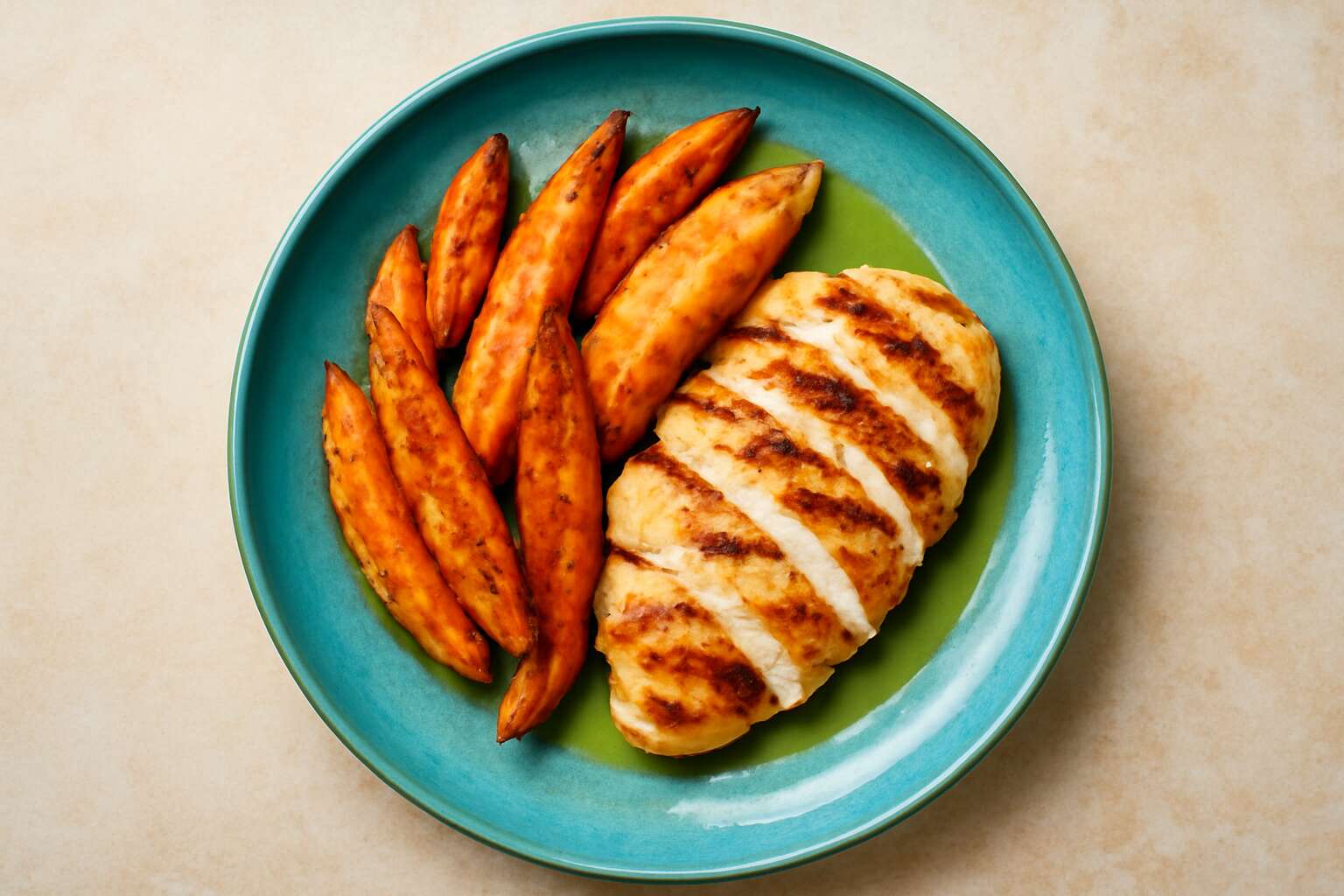
Understanding Macronutrients in Sweet Potatoes
Carbohydrate composition and total grams per serving
Powerful in its quiet simplicity, the sweet potato carries a reliable rhythm of energy. A 150-gram portion totals about 30 grams of carbohydrates, with roughly 4 grams of fiber and around 7 grams of natural sugars—enough to pace a demanding afternoon without a sudden spike. In the language of nutrition, these are sweet potato macros—a tapestry of patience and stamina that suits South African kitchens as well as hillside hikes.
- Carbohydrates: ~30 g per 150 g serving
- Fiber: ~4 g
- Sugars: ~7 g
Understanding these macronutrients helps planners balance meals around activity, ensuring energy that lasts and fullness that stays. The starches are mostly complex, releasing energy slowly, making sweet potato macros a dependable component of bowls, stews, and salads across RSA kitchens.
Net carbs vs total carbs in sweet potatoes
A quiet powerhouse on the plate, the sweet potato carries energy with a patient drumbeat. In RSA tables and on rugged trails alike, sweet potato macros keep pace without the jitter—steady, rewarding, and deeply satisfying.
Understanding macronutrients means examining Net carbs vs total carbs in sweet potatoes. Net carbs reflect what your body actually processes—total carbs minus fiber—so the fiber’s quiet work shapes a longer, steadier energy release. These sweet potato macros reveal a slow, dependable energy that suits busy RSA days, helping you plan bowls, stews, and salads with confidence.
To keep this concept practical, consider:
- Net carbs = total carbs minus fiber
- Fiber blunts the glycemic response and supports fullness
- For RSA dining, this translates to reliable energy across meals
Fiber content and digestive health
In the rhythm of South African meals, fiber-rich sweet potatoes stand out as a quiet powerhouse. A medium sweet potato carries roughly 3–4 g of fiber, enough to influence digestion and promote steady fullness. Understanding macronutrients means recognizing how that fiber interacts with the sweet potato macros, turning a simple side into a backbone for balanced energy through a busy day.
Consider the fiber’s practical benefits on bustling days:
- Promotes fullness between meals, helping control snacking.
- Slows carbohydrate absorption, supporting a steadier energy curve.
- Supports gut health with nourishing, prebiotic fibers.
On RSA menus or family dinners, these insights translate into more reliable energy across bowls, stews, and salads.
Sugars, starch profile, and energy release
Understanding sweet potato macros reveals how sugars and starch work in concert to pace your day. In the quiet rhythm of South African kitchens, I watch a medium potato carry a balanced chorus of natural sweetness and sturdy starch—enough to spark focus in the morning and sustain momentum through a busy afternoon. The energy release isn’t a sprint but a steady glow, turning a simple side into the backbone of a day well lived!
- Sugars: natural sweetness that blends with fiber to smooth the glycemic curve.
- Starch profile: a balance of long- and short-chain starches that digests slowly and evenly.
- Energy release: a measured, long-lasting fuel that avoids spikes and crashes.
On RSA menus and at family dinners, these macro traits translate into reliable energy across bowls, stews, and salads. The magic lies in harvest and hearth—the humble tuber turning every meal into an adventure of nourishment.
Vitamins and minerals that influence macro metabolism
Sweet potato macros form a nuanced orchestra beyond simple carbs, powered by the vitamins and minerals that steer metabolism. In South Africa’s kitchens, the humble tuber invites a quiet chorus: B vitamins helping unlock energy from carbohydrates, magnesium guiding ATP production, and iron supporting oxygen delivery to working muscles. The macro load becomes humane and deliberate when micronutrients lift its tempo, yielding an energy profile that sustains focus through a busy day.
Vitamins and minerals that influence macro metabolism include:
- Vitamin B6
- Magnesium
- Iron
- Potassium
On RSA menus and at family tables, this micronutrient choreography amplifies the sweet potato macros, turning a simple tuber into a measured heartbeat of daily energy.
Macro breakdown: Carbs, Protein, and Fat in the Tuber
Carbs: grams per serving and types
In the dawn-lit realm of nourishment, sweet potato macros rise like a sunlit citadel. A single medium sweet potato carries about 27 g of carbohydrates—energy you can feel the moment you step into the day. This tuber’s glow tells a story of sustained, gentle release, a signature that makes sweet potato macros a favourite on vibrant South African tables.
Carbs unfold in several forms, each contributing to the tuber’s steady energy curve. The carbohydrate spectrum includes several forms:
- Complex starches
- Resistant starch
- Natural sugars
Protein and Fat: The tuber offers modest protein—roughly 2 g per medium piece—and negligible fat. This makes it a lean base in many meals, one that happily blends with other macro-rich ingredients to form a complete macro profile.
Within the tapestry of sweet potato macros, the harmony of energy, repair, and satisfaction sings softly on South African plates, a delicious beacon for balanced eating.
Protein contribution from sweet potatoes
Sunrise over a South African breakfast casts a warm glow on sweet potato macros—the humble tuber that quietly powers plates from the Karoo to the coast. A medium sweet potato carries about 27 g of carbohydrates, a sun-bright energy that fuels long mornings and lively meals.
Carbs drive the macro landscape, but the tuber’s profile includes a modest protein contribution and a whisper of fat, delivering balance that pairs with legumes and greens. Here’s the quick breakdown:
- Carbs: about 27 g per medium tuber
- Protein: roughly 2 g
- Fat: near 0 g (negligible)
In the realm of sweet potato macros, this trio supports sustained energy without heaviness, making the tuber a versatile anchor in bowls, sides, and vibrant plates across South Africa.
Fat content and how to balance macros
Balance is beauty on the plate, murmurs a Cape Town chef as sunrise spills across a South African kitchen. Sweet potato macros glow with quiet promise, anchoring plates from the Karoo to the coast and offering energy that lasts. Carbohydrates lead the rhythm, with protein sharing the spotlight and fat lingering as a delicate, barely whispered note.
- Carbs: the main fuel that sustains activity
- Protein: a quiet contributor to tissue maintenance
- Fat: negligible but essential for flavor and satiety
In bowls and feasts across South Africa, this trio lends balance to vibrant meals and steady mornings, a quiet ode to nourishment rather than noise!
Glycemic index, glycemic load, and portion sizing
South Africa’s kitchens lean into a striking truth: sweet potato macros deliver steady energy when glycemic load meets portion size. The glycemic index rests in a moderate zone, and cooking methods tilt the scale. “Steady energy, not a spike,” a Cape Town chef reminds us, this is not a sprint but a rhythm—food that travels with you through a long day and keeps momentum without a crash!
- Carbs: main fuel; GI moderate; portion sizing tempers glucose response.
- Protein: supports maintenance; minimal GI impact; pairs for balance.
- Fat: flavor and satiety; modest effect on glycemic load.
These sweet potato macros anchor meals from the Karoo to the coast, a measured energy that nourishes without noise.
Net carbs calculation and variation by variety
Across South Africa’s kitchens, the humble tuber carries a steady rhythm—sweet potato macros that fuel a long day without the crash. Net carbs calculation matters here, balancing starch and fiber to keep energy gentle. Carbs remain the main fuel, but protein and fat tag along to smooth the line, and the way we cook—roasted, boiled, or baked—nudges the balance without shouting.
In the field, variety matters. Orange-fleshed, purple, or white sweet potatoes carry different starch profiles, so net carbs can shift slightly between varieties. That subtle variation lets cooks tailor portions and meal pacing to the day’s demands.
Under this lens, the macro breakdown becomes a story of nourishment rather than numbers. It’s not about a sprint for energy but a trustworthy cadence—carbs powering the morning, protein sustaining mid-morrow, fat satisfying the evening. These sweet potato macros travel with you from Karoo kitchens to coastal tables, a comforting constant.
Cooking Methods to Optimize Macros
Baking, boiling, and nutrient retention for macros
A single medium sweet potato holds roughly 24 grams of carbs and 4 grams of fiber, and the way you cook it can tilt those macros toward energy or fullness. Sweet potato macros emerge most clearly when heat meets intention—baking, boiling, or steaming each rewrite how the nutrients present themselves, shaping plates that support your macro goals throughout the week.
- Baking concentrates natural sugars and texture, delivering a satisfying bite while preserving fiber; the trade‑off is a slightly higher glycemic touch that can boost quick energy delivery.
- Boiling preserves water‑soluble nutrients and minerals; leaching is minimized when you use the cooking liquid or keep skin intact for extra fiber.
- Steaming offers a gentle balance—minimal nutrient loss, tender texture, and a steadier macro profile suitable for varied meals.
Choosing a method becomes a mindfulness practice—bake for depth, boil for speed, steam for balance. In South Africa, these approaches slide easily into braai accompaniments, curries, or humble weeknight bowls, keeping sweet potato macros in perfect conversation with your plates!
Roasting with protein-rich toppings to boost protein
“Texture is nutrition you can taste,” a local chef often says, and it sticks when you roast sweet potato to amber edges. Roasting concentrates natural sugars and tightens the crumb, while a protein-rich topping shifts the macro balance toward satiety.
Roasting with purpose lets sweet potato macros stay in balance through the week, especially when you pair with high-protein add-ons that suit SA flavors and pantry staples.
To boost protein on a roasted plate, try one of these toppings:
- Grilled chicken strips with paprika and lemon
- Roasted chickpeas with cumin
- Cottage cheese or feta with herbs
In South Africa kitchens, this approach fits braai-ready sides, curries, or weeknight bowls, keeping sweet potato macros central to the plate.
Mashing and blending for macro-friendly meals
Texture is nutrition you can taste,” a truth heard across South Africa’s kitchens. “70% of satiety comes from texture,” and that insight reshapes how we treat sweet potato macros—texture that lingers after the bite and informs portion size. I hear it in SA kitchen banter as friends pile their plates, seeking flavor that fuels the day.
Mashing and blending are not mere textures; they rebalance macro balance, influencing fullness and energy through the day. From silk to rustic, these methods tune digestion and keep meals satisfying without dulling flavor.
- Mash with a drizzle of olive oil and herbs for a creamy, protein-friendly side
- Blend into a silky curry sauce or soup to distribute carbs evenly
- Whip with Greek yogurt or feta to lift protein without adding bulk
Used in braai-ready plates, curries, or weeknight bowls, these techniques keep sweet potato macros central to the plate.
Grilling and adding healthy fats for flavor and macros
In SA kitchens, one truth slices through every plate: 70% of satiety comes from texture and aroma, not just the grams on a label. Grilling sweet potato transforms it—edges caramelize, smoke adds depth, and the bite carries a lasting, juicy finish. That texture redefines sweet potato macros, extending fullness from the first bite into the afternoon.
To lean into macro balance while grilling, pair the char with healthy fats that carry flavor without crowding the plate:
- extra-virgin olive oil
- avocado oil
- sesame oil
- crushed nuts or seeds
On braais, curries, or weeknight bowls, the sizzle and fat synergy keep macro balance central on the plate, proving texture and nutrition can travel together.
Meal Ideas and Macro-friendly Recipes
Breakfast: protein-packed sweet potato bowls
Breakfast redefined, these bowls celebrate sweet potato macros with elegance and practicality. In South Africa, morning sunlight spills over kitchen counters as roasted sweet potato meets creamy yogurt, a protein boost, and a whisper of cinnamon. The result is a breakfast that travels—from job sites to coastal drives—with enough sustenance to honor the day.
- Greek yogurt, cinnamon, and crushed pistachios for creaminess and crunch
- Smoked salmon, avocado, and dill for a savory balance
- Cottage cheese, blueberries, and toasted almonds for protein and fiber
These protein-packed bowls are not merely meals; they are statements of pace, poise, and practicality, a morning ritual that respects both the glamour and grit of city life.
Balanced lunches with grains and legumes
Lunch becomes a laboratory for sweet potato macros, not a dull reheating ritual. In SA canteens and home kitchens alike, meals should fuse protein, fiber, and steady energy without the afternoon slump. Balanced lunches with grains and legumes supply this architecture, turning humble ingredients into portable power. Think tasty, practical plates that keep pace with meetings, coastal commutes, and quick switchbacks between tasks!
- Roasted sweet potato, quinoa, chickpeas, spinach, and a lemon-tahini drizzle—protein meets texture.
- Lentil and barley bowl with roasted sweet potato wedges, cucumber, and yogurt dill dressing.
- Black bean and bulgur combo with avocado, corn, and a zesty salsa for fiber and staying power.
Whether at a desk or on the move, these balanced plates travel well and keep macro balance on track.
Snack ideas: baked sweet potato bites with dips
Meal ideas and macro-friendly recipes turn sweet potato macros into practical assets for SA kitchens and desk-bound days. Snack ideas include baked sweet potato bites with dips, a reliable stream of energy that travels well between meetings! Pair with a protein-rich drizzle or yogurt-herb dip to elevate flavor while keeping macro balance intact.
- Baked sweet potato bites with peri-peri yogurt dip
- Roasted wedges with tahini-lemon drizzle for staying power
- Stuffed mini potatoes with black beans and avocado
These ideas support a macro-focused approach, delivering texture and protein pull while offering a SA-flavored finish that travels well on busy days.
Meal-prep plans for week-long macro balance
Energy is currency in a SA workday, and sweet potato macros are the bank notes. When portions balance, long mornings and late meetings glide by with steady focus, not sugar crashes. These carbs offer lift without the crash, a practical edge for desk-bound teams.
Meal ideas for a week of macro-friendly eating lean on protein, fiber, and flavor. A simple approach keeps sweet potato macros in play while you rotate textures and toppings:
- Baked sweet potato bites with a yogurt-herb drizzle
- Roasted wedges with tahini-lemon drizzle
- Stuffed mini potatoes with black beans and avocado
These visuals talk to a meal-prep mindset that travels well between meetings and into the evening. The SA palate loves a finish with bright spices, herbs, and a protein partner that keeps energy steady across busy days.
Kid-friendly macro-friendly meals
Across SA offices, energy slumps strike mid-afternoon in nearly six of ten teams. Sweet potato macros stand as a quiet currency, sustaining focus when meetings stretch and screens glow. Poised starch meets slow-releasing fiber, turning busy days into a steadier rhythm rather than a sugar spike.
- Baked sweet potato bites with yoghurt-herb drizzle
- Roasted wedges with tahini-lemon drizzle
- Stuffed mini potatoes with black beans and avocado
Kid-friendly macro-friendly meals can be playful too: simple textures, bright herbs, and protein partners that balance energy without heavy sauces. They shine when paired with beans, lean poultry, or yoghurt dips, making weeknight plates both nourishing and approachable for little palates.
Macro Tracking, Portions, and Diet Patterns
Estimating macros per variety and serving size
Macro tracking isn’t a punishment—it’s a compass for meals. For sweet potato macros, log carbs, protein, and fats to see how this humble tuber fits your day.
- Baseline portions: 100 g, 150 g, or 200 g
- Record toppings and cooking fats with the portion
- Account for variety: orange vs purple starch and fiber
Portions matter because consistency beats complexity. A 150 g serving anchors lunch; 100 g powers a snack. In South Africa, pair with greens and beans for balance.
Diet patterns guide how you estimate macros per variety and serving size. Start with 100 g as a baseline, adjust for orange vs purple flesh, and let activity shape the tally.
Portion control for weight management and performance
Macro tracking isn’t a punishment—it’s a compass for meals. For sweet potato macros, logging carbs, protein, and fats turns a humble tuber into a strategic fuel source. Track portions, toppings, and cooking fats, and note orange versus purple flesh—the difference shifts fiber and energy release.
Baseline portions offer steadiness: 100 g, 150 g, or 200 g. Record toppings and cooking fats with the portion to see the true macro tally. In South Africa, 150 g can anchor lunch while 100 g powers a snack, neatly balancing greens and beans.
Diet patterns guide how you estimate macros per variety and serving size. Start with 100 g as a baseline, then adjust for orange vs purple flesh and match intensity with activity. In South Africa, greens and beans pair naturally with sweet potato macros for balance.
Pairing with protein and fats for balanced meals
Fuel is language you speak to your mitochondria, a mentor once quipped, and in South Africa that language becomes a practical blueprint when you align sweet potato macros with your activity. Macro tracking isn’t a punishment; it’s a compass guiding meals toward steady energy, sharper focus, and durable performance.
Baseline portions anchor your day in simple gravity: 100 g, 150 g, or 200 g. Record toppings and cooking fats with the portion to reveal the true macro tally. In South Africa, 150 g can anchor lunch while 100 g powers a snack, neatly balancing greens and beans.
Diet patterns guide how you estimate macros per variety and serving size. Start with 100 g as a baseline, then adjust for orange versus purple flesh and match intensity with activity. Pair these with protein and fats for balanced meals; the palette of combinations keeps energy stable.
Common macro-tracking mistakes and fixes
Macro tracking isn’t a punishment; it’s a compass shaping your sweet potato macros—how energy aligns with effort. In South Africa kitchens, you translate daily activity into a simple number, turning meals into predictable fuel rather than guessing.
Baseline portions anchor your day in simple gravity: 100 g, 150 g, or 200 g. Record toppings and cooking fats with the portion to reveal the true macro tally. For lunch, 150 g can anchor; a snack powers 100 g, balancing greens and beans.
Diet patterns guide how you estimate macros per variety and serving size. Start with 100 g baseline, then adjust for orange versus purple flesh and match intensity with activity. Common macro-tracking mistakes and fixes:
- Not weighing portions; fix by using a kitchen scale
- Forgetting toppings and fats; fix by logging them
- Underestimating protein contribution; fix by pairing with protein-rich foods
Adjusting macros for athletic training and progression
In the kitchen, tracking data guiding bites becomes a quiet spell: numbers guiding each mouthful toward peak performance. Across South Africa, athletes report energy dips when macros drift—a ghost in the gym that shadows reps and rhythms. Sweet potato macros act as a compass, steering effort toward sustainable fuel and a steadier climb.
Tracking insight becomes a living narrative, where serving sizes set the stage for progression. Each plate becomes a ledger, pairing greens and lean protein to balance the story and keep pace with training demands.
- Energy balance across days
- Protein synergy for recovery
- Variety and texture in sweet potato choices
Eating patterns guide how macros are estimated per variety and serving size, keeping a rhythm with training progression. Orange- and purple-fleshed sweet potatoes shift texture and micronutrient tempo, adjusting the pace to match activity—a signature of the sweet potato macros.




0 Comments