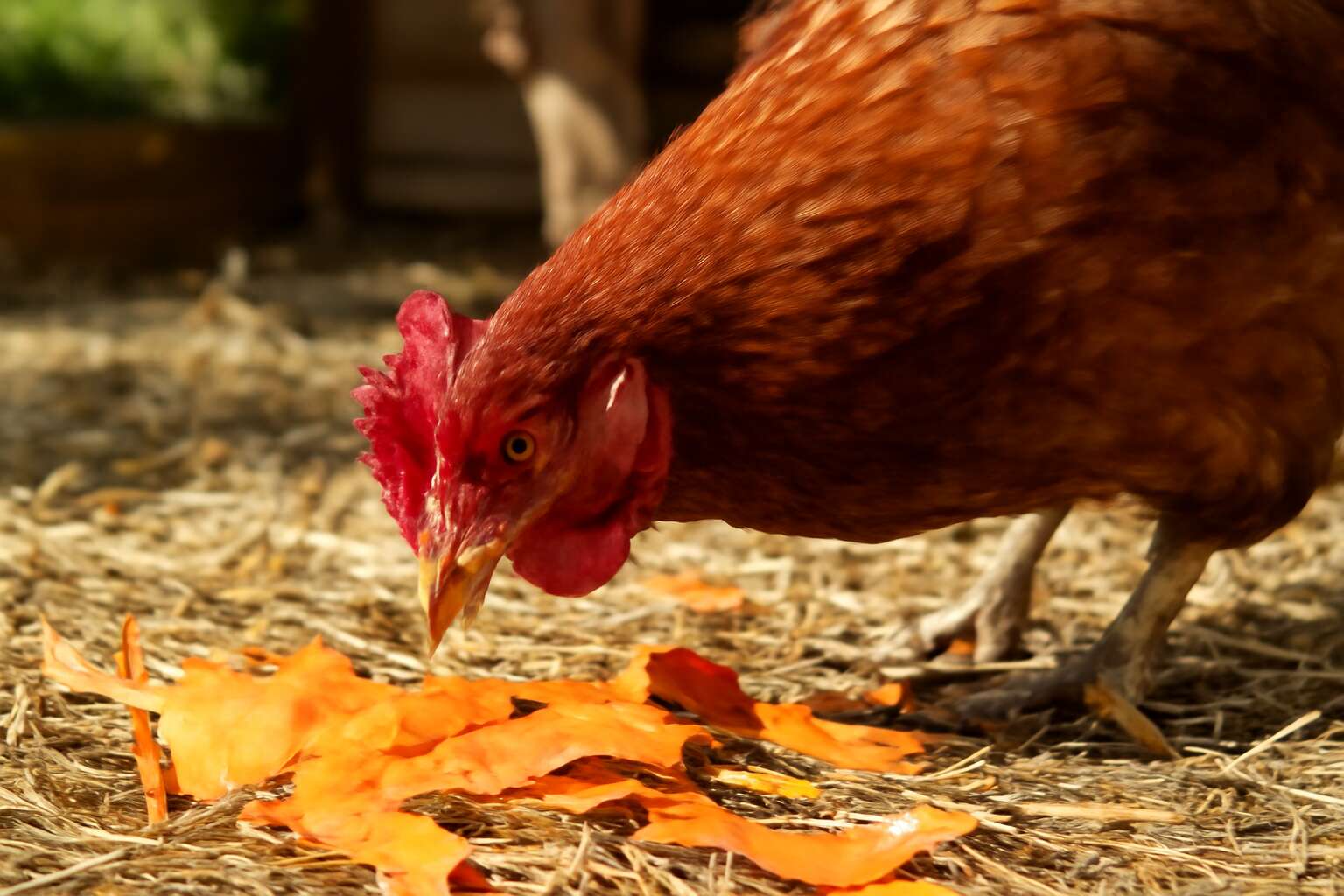
Safety and digestion overview for poultry and sweet potato peels
Digestive compatibility of potato skins in chickens
“Food is the first medicine,” a seasoned farmer murmurs, and that wisdom travels from the coop to the veld across South Africa. The question can chickens eat sweet potato peels invites a careful look at safety, digestion, and how each bird accepts comfort from scraps.
Sweet potato peels offer fiber and starch, but a chick’s gut likes gentler introductions. Raw or moldy peels can upset digestion, while clean, fresh peels that are not sun-scorched tend to settle more quietly in the system.
Digestive compatibility of potato skins in chickens hinges on texture, cleanliness, and the plant’s journey from field to feeder.
- fiber and starch balance
- cleanliness and residues
- texture and moisture
Potential toxins and how they affect flock health
Food in the coop travels far, and a farmer once whispered, “Food is the first medicine.” Across South Africa’s coops, can chickens eat sweet potato peels? This is a question that deserves a look at safety, digestion, and how birds take comfort from scraps.
Safety and digestion overview emphasize cleanliness, freshness, and reasonable portions. Clean peels free of mold and pesticides are gentler on the gut, while sun-scorched or spoiled scraps can provoke gut upset and irregular droppings.
- Cleanliness and residues
- Texture and moisture
- Storage and freshness
Potential toxins and flock health: mold can produce mycotoxins that depress appetite and irritate the gut; pesticide residues on the skin may accumulate with scraps; damp, fermentation-prone peels can cause gas and discomfort in flocks.
All of this underscores that in South Africa, the safety question requires a careful, country-wide view of feed safety and digestive compatibility, rather than a one-size-fits-all approach.
Green skins and solanine risk factors
Across South Africa’s backyard coops, scraps whisper from feeder to beak: can chickens eat sweet potato peels? The question arrives with a shiver of caution—peels carry stories of soil, storage, and handling that can tilt a flock from appetite to illness in a single day.
Safety and digestion overview hinge on cleanliness, freshness, and thoughtful choice. Clean peels free of mold and pesticides are gentler on a bird’s gut, while spoiled scraps can disrupt digestion and droppings, especially in mixed rations common to SA farms.
Green skins are a reminder to differentiate tubers: sweet potato skins behave differently than green potato skins, where solanine lurks. The nuance—what to feed, what to avoid—hangs in the balance between curiosity and flock well-being.
Safe handling and preparation guidelines
“Feeding time is a pact with the dawn,” a seasoned SA coop keeper often says. Safety and digestion hinge on spotless scraps, fresh peels, and careful handling, because a single spoiled piece can tilt a flock from appetite to mischief in moments.
Can chickens eat sweet potato peels? The answer rests in simple truths: clean, mold-free peels and freedom from pesticides align with a bird’s gentle digestion. Freshness matters, and mindful selection helps keep droppings balanced in mixed SA rations.
Within South Africa’s varied coops, the craft remains: observe, adapt, and respect the boundary between curiosity and flock wellbeing. When considering can chickens eat sweet potato peels, allow the flock’s response to guide you, and let safety steer every scrap that passes a beak.
Seasonal and flock-specific considerations
Flame-lit dawns rise over South Africa’s rural pens, where every peel becomes a small legend for the flock. A seasoned SA coop keeper whispers that curiosity is the weather vane of health, turning scraps into stories of balance and wonder.
Safety and digestion walk hand in hand in poultry lore. If peels arrive clean, mold-free, and pesticide-free, can chickens eat sweet potato peels becomes a measured possibility, guiding the flock with gentle, daily harmony.
- Freshness and cleanliness form the bedrock of safe scraps
- Seasonal supply and climate influence storage and palatability
- Flock age and foraging balance shape digestion in mixed rations
So in South Africa, this question remains a nuanced thread woven through seasonal feeds and the flock’s temperament, not a hard rule.
Nutritional value and potential benefits
Vitamins, minerals, and fiber in sweet potato peels
In the sunlit coops and herb-scented kitchens of South Africa, the humble sweet potato peel is more than waste—it hides nourishment. The peel carries a denser pocket of nutrients than the flesh, with fiber for the gut and hardy antioxidants that shimmer like dawn over the veld. What a find—the question can chickens eat sweet potato peels becomes a thoughtful pause for farmers and keepers alike.
A quick glance at the peel’s profile reveals several notable nutrients:
- Dietary fiber that supports gut motility and fullness
- Beta-carotene, a vitamin A precursor for plumage and immune function
- Vitamin C and B vitamins for daily metabolic processes
- Minerals such as potassium and manganese that assist in electrolyte balance
In the grand tapestry of a flock’s nutrition, these elements arrive as quiet notes—supporting resilience and vitality within a balanced repertoire. The fiber and micronutrients in sweet potato peels complement overall health, offering a narrative of nourishment that marries tradition with science, particularly in South African backyards where resourceful feeding is part of the daily rhythm.
Energy content and dietary balance for laying hens
Across South Africa’s sunlit coops, hens greet the dawn with a chorus of confident clucks. A seasoned keeper muses, “Every peel is a tiny sun waiting to illuminate a flock’s morning.” In this light, the humble sweet potato peel becomes nourishment rather than waste, a quiet thread in the tapestry of daily hen care.
Viewed through a nutritional lens, the peel delivers energy content and dietary balance that can support laying hens without overwhelming their rations. Complex carbohydrates partner with fiber to sustain steady digestion, while beta-carotene and minerals bolster plumage and resilience. In practical terms, can chickens eat sweet potato peels is a question of balance.
- Energy-rich carbohydrates for daytime activity
- Fiber supporting digestion and satiety
- Micronutrients like beta-carotene and minerals
These notes thread through a South African backyard’s rhythm, weaving a larger tale of thrift, resourcefulness and well-being for the flock.
How peels compare to other kitchen scraps
Across South Africa’s sunlit coops, scraps become the quiet engine of daily life. The question remains: can chickens eat sweet potato peels? The answer, spoken softly by seasoned keepers, is that these peels offer a digestible mix of energy and fiber that fits a foraging day without upending a ration. It’s fueling the dawn chorus with a sunny, thrifty glow!
- Chew-friendly fiber that supports gut movement
- Gentle sugar content that adds flavor without overstimulation
- Lower risk than some scraps tied to spoiled or moldy foods
When set beside crusts or cores, peels present a distinct rhythm—more chew, less starch, and a bright, earthy sweetness that hens naturally seek. In South African backyards, such scraps knit thrift and well-being into the daily tapestry of the flock.
Impact on gut health and digestion
In the golden SA dawn, a humble peel glows with thrift and promise. can chickens eat sweet potato peels? The answer is a measured yes—a digestible weave of energy and fiber that supports a foraging day without upending the ration.
Nutritional value comes from more than colour. These peels carry carotenoids, minerals, and a gentle dose of starch, pairing well with greens and grains to enrich the flock’s day without overloading protein needs.
Impact on gut health and digestion is subtle but real. The chewable fiber supports gut movement and fosters a steady energy release, while the natural sugars keep spirits bright without spurring overeager peaks in activity.
- Chew-ready fiber aids smooth gut movement
- Carotenoids support feather and immune health
- Lower spoilage risk compared with some perishable scraps
Serving sizes by flock type
In the pantry of practical poultry wisdom, can chickens eat sweet potato peels? The answer lands with a polite nod: a modest energy and fibre boost that keeps foraging days lively without deranging the ration. In South Africa’s sunlit yards, these peels feel like thrift with a dash of culinary flair.
Nutritional value emerges beyond hue. Carotenoids accent feather colour and immune vigour; a gentle starch fraction provides steadier energy for busy days; minerals support beak and bone health. They age well, reducing waste and adding a touch of sophistication to the daily scrabble for scraps.
Serving sizes by flock type offer a sense of scale without pedantry:
- Small flocks and bantams: a light introduction as part of mixed scraps
- Mid-sized flocks: varied inclusion alongside greens and grains
- Large flocks: diversified treats woven into the daily forage
Risks, hazards, and signs of intolerance
Toxic compounds and when to avoid peels
Across South Africa’s sunlit coops, curiosity about kitchen scraps meets practical wisdom. can chickens eat sweet potato peels is a common query among backyard keepers who want to feed wisely while cutting waste. The answer hinges on safety and response.
Risks and signs of intolerance emerge subtly: sudden loose stools, reduced vitality, or reluctance to peck at usual treats signal the flock might not tolerate peels. Monitor energy, appetite, and any abdominal bloating, which can hint at intolerance.
- Pesticide residues on the peel
- Molds and mycotoxins from damp storage
- Choking or digestive upset from large chunks
Toxic compounds and when to avoid peels hinge on freshness and treatment. Experts warn that moldy, rotten, or heavily pesticide-treated skins are unsafe. Peels that are bitter, discolored, or carry a strong off-odor signal hazards to flock health.
Pesticide residues and washing tips
Across South Africa’s sun-warmed coops, can chickens eat sweet potato peels? The answer isn’t a simple yes or no; freshness, storage, and how scraps are offered matter more than the peel itself. In right conditions, a nibble can be part of a diverse diet, but safety comes first, always!
Risks and signs of intolerance emerge subtly: sudden loose stools, reduced vitality, or reluctance to peck at usual treats signal a mismatch with peels. Observers note energy levels, appetite, and abdominal bloating, which can hint at intolerance.
- Sudden loose stools
- Lethargy or reduced activity
- Reluctance to peck at treats
Pesticide residues on the peel, molds and off-odors are red flags. Safe handling means choosing clean skins, giving them a light rinse under cool running water, and avoiding heavily treated or moldy peels. Bitter or discolored skins signal hazards to flock health. Remember: can chickens eat sweet potato peels in moderation.
Allergic reactions and symptoms to watch for
Even a tiny nibble can trigger a quiet storm in a flock. When considering can chickens eat sweet potato peels, the risk isn’t a simple yes or no; it hinges on individual sensitivities and how scraps are offered. Allergic reactions can show up subtly, sometimes masquerading as ordinary feistiness or appetite changes.
Watch for signs such as:
- itching, swelling, or dermatitis around the beak, face, or legs
- respiratory symptoms like sneezing, coughing, or labored breathing
- sudden drops in energy or reluctance to explore treats after peels are introduced
If any signs appear, revisit: can chickens eat sweet potato peels, and ensure it’s strictly moderated and observed.
Risks of mold, spoilage, and contamination
In a coop where every scrap counts, a single moldy peel can derail a week of good health. When weighing can chickens eat sweet potato peels, the question isn’t just taste—it’s freshness, storage, and the story those peels carry into the yard.
Risks of mold, spoilage, and contamination loom large. Warm South African days can accelerate decomposition, turning a humble peel into a vector for fungi or bacteria. Contaminants from wash water or surface contact can hitch a ride with kitchen scraps, turning a well-meaning treat into a health concern for the flock.
- Mold growth or fuzzy colonies on peels
- Foul odor or sour, rotten smell
- Slimy texture or unusual discoloration
- Cross-contamination from other scraps or dirty storage
Watch the flock for signs of intolerance—quietness, diminished foraging, or soft droppings after peels appear in the coop. If these signals gather, the risk story deepens and calls for careful handling in line with local climate and practices.
Indicators your birds have dietary issues
South Africa’s summer sun can turn kitchen scraps into silent saboteurs. When the question arises can chickens eat sweet potato peels, the focus shifts from flavor to freshness, storage, and the quiet story those peels carry into the yard. A single moldy edge can derail a week of health, transforming a humble snack into a microbial doorway in a warm coop. Fuzzy growth, sour odors, or a slick sheen on the peel are the first whispers of trouble that demand watchful eyes.
- Uncharacteristic appetite drift or sudden weight changes
- Unusual lethargy or reluctance to approach the feeder
- Abnormal droppings, such as color shifts or mucus
These signs are the flock’s weather—portents that dietary issues may be brewing beneath the surface. In the glow of the yard, the risk tale threads through the day, a reminder that even humble peels carry a shadow when warmth lingers.
Practical feeding guidelines and serving ideas
Moderation and portion sizing for different flock sizes
A practical question is can chickens eat sweet potato peels. Practical feeding guidelines in the coop prioritize variety and balance. They can be used as a small, balanced addition to a varied diet, especially in South Africa’s changing seasons. Peel quality matters—stick to clean, fresh peels from pesticide-free sources, and pair with greens or grains to preserve digestive harmony.
- Prefers fresh, well-washed peels without mold.
- Offer as a small addition to a varied diet rather than a main staple.
- Discard any spoiled peels to prevent digestive upset.
Moderation and portion sizing vary with flock size; larger flocks can tolerate a small addition without crowding the diet, while tiny backyard groups benefit from extra foraging variety. Observing flock response remains essential to keep energy balance and gut health aligned with overall nutrition.
Preparation methods: washing, chopping, and cooking
The South African coop knows scraps can nourish flocks. Across South Africa, millions of kilograms of kitchen scraps flow weekly, and the question can chickens eat sweet potato peels arises as seasons shift. Balance and moderation guide the answer.
Choose clean peels from pesticide-free sources; rinse well and scrub. Offer as a small addition to a varied diet, not a staple, and pair with greens or grains to support digestive harmony. Larger flocks tolerate a touch more variety; observe responses.
- Wash thoroughly to remove dirt and residues
- Chop into bite-sized pieces for easy digestion
- Lightly cook (steam or roast) until just tender
In practice, these morsels become a gentle foraging prompt, enriching the menu without overwhelming energy balance.
Ways to incorporate peels safely into feed
Across South Africa’s smallholdings, kitchen scraps quietly nourish the flock. can chickens eat sweet potato peels? The answer sits in balance: clean peels from pesticide-free sources, rinsed and scrubbed, can enrich a varied diet without tipping energy balance.
Practical feeding guidelines and serving ideas unfold like a well-tended path through the yard. To incorporate peels safely into feed, consider these ideas:
- Slice into bite-sized pieces and lightly steam.
- Pair with greens or grains for balance.
- Rotate with other scraps to prevent monotony.
In practice, these morsels become a gentle forage prompt, guiding foraging behavior and keeping plumage bright without overwhelming the ration. I watch the flock, beaks busy, and the coop hums with calm pride!
Storage, shelf life, and freshness checks
The question can chickens eat sweet potato peels? sits in balance: clean peels from pesticide-free sources, rinsed and scrubbed, can enrich a varied diet without tipping energy balance.
Storage, shelf life, and freshness checks are part of consistent care. To keep peels at their best, consider how moisture, temperature and time influence quality.
- Visual cue: no mold, uneven browning, or slimy sheen
- Smell cue: no sour or off odors
- Texture cue: remains firm and dry, not mushy
In practice, these morsels become a gentle forage prompt, guiding foraging behavior and keeping plumage bright without tipping the ration. The coop hums with quiet pride as the day winds down over the South African veld.
Seasonal feeding plans and rotation with other treats
In SA backyards, the question ‘can chickens eat sweet potato peels’ pops up as flocks peck through scraps and garden leftovers. A thoughtful approach keeps peels in play without tipping balance. ‘Variety matters,’ as one keeper notes, and the right mix can enrich a varied diet.
Practical feeding guidelines and serving ideas emerge when you weigh energy, fiber, and forage value. When weighing can chickens eat sweet potato peels, source clean, pesticide-free peels and offer them as a forage prompt rather than a staple in the daily ration. The goal is to respect the flock’s appetite while letting foraging instincts do some of the heavy lifting.
- Seasonal rotations emphasize fiber-rich greens and moderate fruit scraps
- Sweet potato peels act as a forage prompt rather than a staple
- Monitor energy balance to avoid overfeeding and maintain plumage
Seasonal feeding plans and rotation with other treats help align intake with weather and forage availability.
Alternatives and complementary treats for variety
Safe kitchen scraps to pair with peels
South African backyards pulse with life, and variety keeps a flock curious and bright. The question can chickens eat sweet potato peels is not a simple yes or no, but a matter of balance—they can, when treated as a joyful accompaniment rather than a daily staple, introducing texture and color to the coops.
To broaden every rainbow of beaks, consider complementary treats that pair well with peels:
- steamed corn kernels
- cucumber slices
- chopped kale or spinach
- soft fruit scraps such as apples or berries
Safe kitchen scraps to pair with peels come from a well-stocked kitchen—think small amounts of bread crusts, cooked grains, shredded cabbage, or carrot tops—adding texture, aroma, and nutrition that keep flocks engaged.
Non-peel potato products and alternatives
In South African backyards, variety fuels the flock’s curiosity. The line “can chickens eat sweet potato peels” is often asked, but the answer lives in balance—peels can be paired with non-peel potato products and other treats to diversify diets.
Non-peel potato products and alternatives offer texture and interest without relying on skins. Consider a few options that fit into a rotating line-up. Textures excite the coop!
- boiled or mashed potatoes without skins
- cooked grains like rice or oats
- greens such as kale or spinach
- soft fruit scraps like apples or berries
These items maintain a natural, varied profile that keeps the flock engaged while avoiding bulk consumption of any single item.
Guidelines for introducing new treats to a flock
Variety keeps a flock curious and healthy, a truth South African backyards know well. can chickens eat sweet potato peels? is a common question, yet the answer sits in balance—peels fit when paired with other treats to maintain interest without tipping the diet.
Guidelines for introducing new treats are simple in tone: keep them as brief experiments, observe appetite and droppings, and rotate items to avoid monotony. The aim is a subtle chorus in a diet that remains anchored to staple feed.
- Millet or sorghum as a light, texture-rich grain
- Hydration-friendly vegetables such as cucumber rounds
- Small fruit scraps like melon pieces or berries
- Protein boosts from mealworms or a tiny spoon of scrambled egg
Balance and observation are the north star of a thriving flock in South Africa’s backyards.


0 Comments