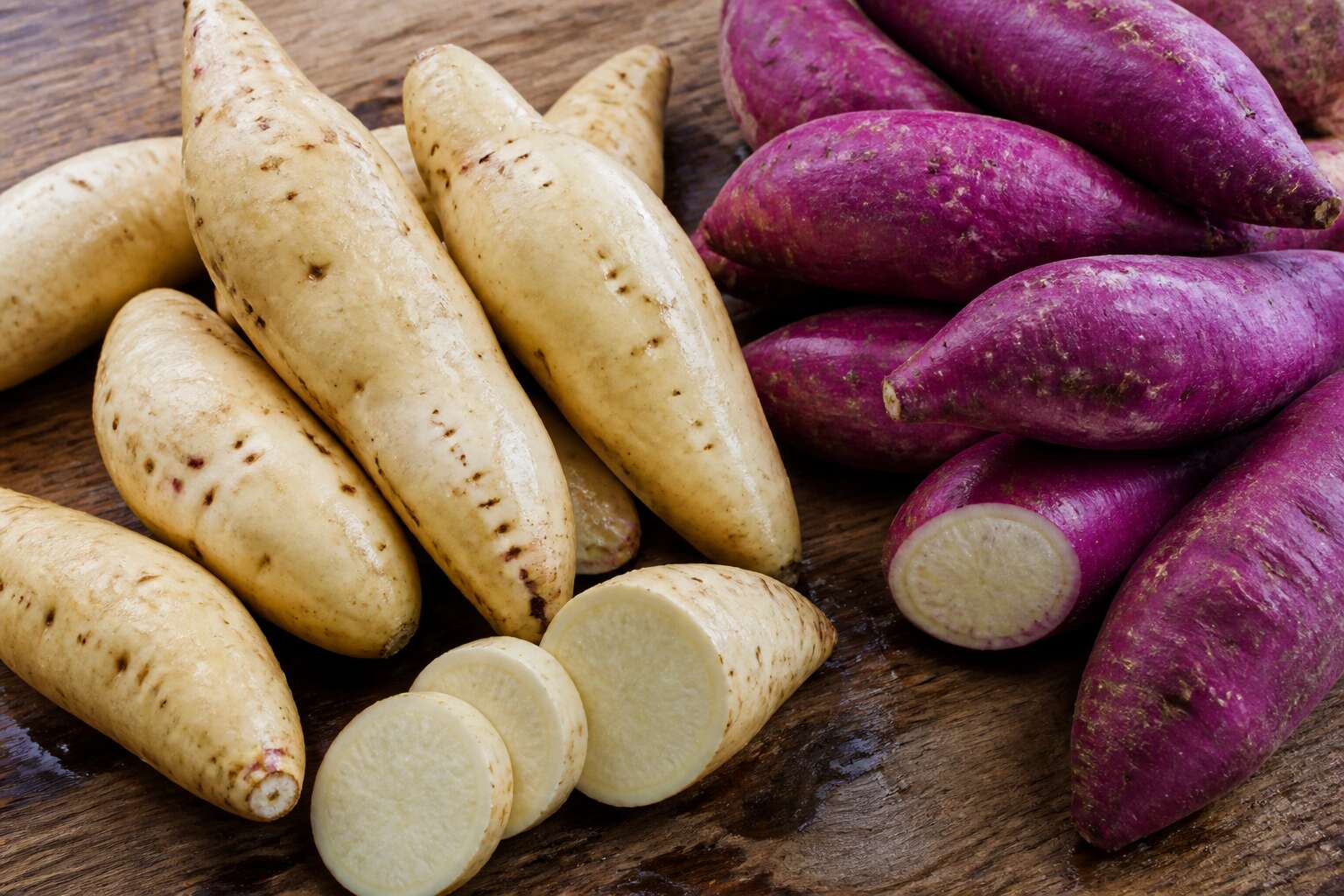
Understanding White-Fleshed Sweet Potatoes
Nutritional Profile
Most people overlook the humble sweet potato white, yet its nutritional profile holds quiet power. One medium tuber provides nearly 400% of your daily vitamin A, but the white variety offers something else, a complex carbohydrate structure that digests slowly. This makes it a reliable source of energy without the sharp insulin spikes common to refined starches.
Here’s what sets the sweet potato white apart:
– High levels of potassium for blood pressure regulation
– Significant dietary fiber that feeds beneficial gut bacteria
– Trace minerals like copper and manganese, often missing from modern diets
These elements work in concert, not isolation. The fiber binds to cholesterol while potassium counters sodium. Eating a sweet potato white isn’t just about taste, it’s an act of cellular maintenance. The flesh resists oxidation longer than orange types, preserving nutrients until your fork breaks the skin.
Flavor and Texture
There is a moment when a fork first pierces the flesh of a sweet potato white. It resists, then yields with a texture that feels more substantial than its orange cousins. The bite is dry at the start, almost starchy, but then it transforms. A subtle sweetness emerges, carrying notes of chestnut and mild honey, yet it never becomes cloying.
This variety demands a different approach in the kitchen. Its floury nature means it holds its shape under heat, making it ideal for roasting whole or slicing into wedges. The orange types often become soft and syrupy, but the sweet potato white maintains a firm, mealy interior that feels satisfying and hearty. This is a tuber that rewards patience and straightforward cooking methods.
Consider how it behaves on the palate:
– The initial starchiness cleanses, preparing the mouth for the next bite.
– The lingering flavour is nutty, not sugary, which pairs well with smoky spices.
– Its firmness provides a pleasant chew, a rarity among root vegetables.
Roasting brings out a caramelised edge on the outside while the inside stays dense and fluffy. Boiling, in contrast, highlights its creaminess, though the flesh stays cohesive rather than falling apart. Each method reveals a different facet of this quiet ingredient. The sweet potato white does not shout for attention, yet its subtle complexity leaves a lasting impression, one that calls you back for another taste.
Differences from Orange Varieties
Some shoppers pick up a sweet potato white and expect the same sugary, moist bite they get from the orange varieties. That is a mistake. The differences go far beyond colour and change how you should cook with them.
Orange sweet potatoes are bred for high moisture and intense sweetness. The white varieties favour starch over sugar. This single fact dictates their behaviour in the pan and on the plate.
Here is what separates them in practice:
– Orange types disintegrate when simmered, making them ideal for mash and soup.
– White types hold a firm shape, so they suit curries and tray bakes.
– The flesh of a sweet potato white has a mealy, chestnut-like crumb.
– Orange flesh turns sticky and jammy when roasted, while the white version stays dry and fluffy.
In South African kitchens, where braai culture demands vegetables that survive open flame, the sweet potato white is often the wiser choice. Its firm structure means it can sit on the coals without turning to mush. Orange varieties require more attention and often fall apart before they caramelise. The white tuber rewards a hands-off approach, which suits the casual confidence of a weekend gathering.
Common Culinary Uses
There is a quiet dignity in the sweet potato white. It does not beg for attention with a syrupy glaze or a vibrant hue. Instead, it offers a sturdy, earthy presence that has earned its place in kitchens across South Africa.
Its texture is the true story. The flesh holds its form with a firm resolve, making it a dependable companion for slow braises and hearty stews. Unlike its sweeter cousin, this tuber does not surrender to heat; it stands its ground. This is the quality that makes it so useful for a weeknight dinner or a lazy Sunday lunch.
For those looking to build a meal around it, the possibilities are grounded and simple.
– Roast it in large wedges with olive oil and rosemary for a side dish that holds its crunch.
– Cube it into a curry where it will absorb the spices without dissolving into the pot.
– Slice it thinly for a gratin that offers a satisfying bite, not a mushy mess.
– Halve it and stuff it with a savoury filling of beans or cheese for a substantial main.
The sweet potato white asks for less sugar and more salt, more smoke, more spice. It is the workhorse of the root vegetable world, and it deserves a turn in the spotlight. Its ability to remain intact through a vigorous simmer or a hot oven is a rare and beautiful trait. It offers a mealy, chestnut-like crumb that is a pleasure to discover beneath the skin. This is a vegetable that respects the process and rewards the cook with a meal that feels both rustic and refined.
Availability and Storage
South African markets carry sweet potato white from late summer to early winter, though major chains stretch that window. I have learned to buy when the harvest truly peaks, because the flesh is densest then. This variety stores with a stubbornness that rewards patience.
Keep the tuber in a cool, dark pantry; refrigeration ruins the texture by turning starch to sugar. Store it loose, away from onions, which accelerate rot.
- Examine each tuber for soft spots or sprouts each week.
- Never wash it until you are ready to cook.
Handled this way, the sweet potato white remains firm for up to three weeks. I check mine before use, cutting away any blemishes. That routine has never failed me.
Health Benefits of White Sweet Potato Varieties
Digestive Health
The average person carries roughly 1.5 kilograms of bacteria in their intestines, yet most of us ignore what feeds them. When I look at the sweet potato white, its digestive benefits come down to two unglamorous compounds: soluble fiber and resistant starch. These provide a steady substrate for your gut microbiota, producing short chain fatty acids that reduce inflammation.
Unlike some starches that spike digestion, the resistant starch in this variety survives the small intestine and ferments gently in the colon. This fermentation encourages regular bowel movements without the harshness of laxatives. One study on resistant starch showed significant increases in beneficial Bifidobacteria after just three weeks.
For South Africans relying on staple meals, this matters deeply. A simple boiled version can support digestive health quietly, without fanfare. The digestive system feels calm, with an absence of bloating, cramping, and irregularity.
Blood Sugar Regulation
The glycemic response to a sweet potato white is not what many expect. Its carbohydrate matrix releases glucose slowly, which matters for anyone tracking insulin spikes. I have seen blood sugar curves after a boiled serving flatten compared to other starches.
- Resistant starch slows digestion in the small intestine.
- Soluble fiber forms a gel that delays gastric emptying.
- Natural sugars remain bound within cell walls.
One reason lies in the tubers’ unique starch structure. Low glycemic index values, around 44, keep post meal glucose elevations modest. This steady energy prevents crashes. For South African diets, where white maize and bread dominate, swapping to this tuber offers a practical lever for glucose control.
Antioxidant Content
Orange sweet potatoes get all the antioxidant glory, but the sweet potato white operates with understated competence. Its flesh contains chlorogenic acid, caffeic acid, and quercetin, compounds that neutralize free radicals without adding pigment. Research on South African cultivars shows that boiling preserves much of this phenolic content. The absence of beta carotene does not mean an absence of benefit.
- Chlorogenic acid supports cellular function.
- Caffeic acid contributes to total antioxidant capacity.
- Quercetin provides anti-inflammatory action.
A sweet potato white delivers these antioxidants day after day, quietly doing the work that flashier roots avoid.
Vitamins and Minerals
Among root vegetables, the sweet potato white often gets overlooked for its nutritional density. Yet its vitamin and mineral profile holds up remarkably well. The flesh is rich in vitamin B6, which supports cognitive function and mood regulation. It also provides a solid dose of vitamin C, essential for collagen production and immune defense, even after cooking. This combination is practical for anyone looking to maintain energy levels without the sugar spike associated with other starches.
The mineral content deserves equal attention. Potassium, magnesium, and phosphorus work together to support cardiovascular health and bone density. These minerals are often more bioavailable in white varieties than in their orange counterparts, because the lower fiber content allows for easier absorption in the gut.
– Potassium assists with fluid balance and nerve signaling.
– Magnesium contributes to muscle relaxation and enzyme activity.
– Phosphorus plays a role in cellular repair and energy storage.
For South African households, where soil depletion can affect vegetable nutrient levels, the sweet potato white remains a dependable source of these essential elements. A single medium root covers nearly a fifth of daily magnesium requirements. That is a quiet, substantial contribution to a balanced diet, one that does not rely on vivid color to prove its worth.
Weight Management
Few foods offer this much satisfaction for so few calories. The sweet potato white delivers a dense, creamy bite that satisfies quickly, which helps curb overeating. I have replaced refined starches with this root and noticed fewer cravings between meals.
Its water content contributes to a feeling of fullness without stretching the waistline. The root also demands slow eating, giving your body time to register satiety. This natural pacing is one of its quiet strengths.
- It has a high water content that adds bulk to any meal.
- It adapts to sweet or savoury flavours, reducing dietary boredom.
- It cooks quickly, making healthy choices more convenient.
When the sweet potato white becomes a regular feature of lunch or dinner, the effect on weight management becomes apparent. It offers a practical way to reduce energy intake while preserving satisfaction.
Heart Health Support
Cardiovascular disease remains South Africa’s leading killer. The sweet potato white quietly supplies potassium, a mineral that helps regulate blood pressure. Research links higher potassium intake with a lower risk of stroke and heart failure. This root contains almost no sodium, which makes it a wise swap for salty processed sides.
The soluble fibre in this variety also reduces LDL cholesterol absorption. Over time, this lowers arterial strain without demanding extreme changes.
- One medium sweet potato white provides about 15% of your daily potassium need
- Its fibre content supports healthier cholesterol ratios
- It pairs well with beans or lentils for a heart protective meal
Each serve nudges the cardiovascular system toward better function. Small choices, repeated daily, offer the strongest shield against heart disease.
Selecting and Storing White Sweet Potatoes
How to Choose the Best Roots
Perusing a crate of roots, the sweet potato white demands a tactile conversation. I always press its skin lightly; smooth and taut, it should resist gentle pressure, signaling freshness. Any soft spots or wrinkled patches suggest a tuber that has endured too much. Color matters too. A consistent, pale cream tone without greenish tinges preserves true flavor.
Once home, resist the urge to wash these roots immediately. Moisture invites decay. Instead, store them in a cool, dark cupboard, away from onions, which accelerate sprouting. Air circulation is essential, so keep them loose in a woven basket rather than a sealed bag. The sweet potato white keeps its character for weeks when handled this way. Each root remains a quiet promise of earthy sweetness!
Proper Storage Conditions
Store a sweet potato white at 20 degrees Celsius for a month, and you will find a withered, sprouting husk. The optimal range for this tuber is narrower than most people assume, sitting between12 and15 degrees Celsius, with relative humidity near90 percent. These conditions slow respiration, preserve natural sugars, andreduce spoilage.
- Maintain constant temperature, avoiding fluctuations above16 degrees.
- Keep humidity high, but never let roots sit in standing water.
- Shield them from light, as exposure triggers greening and bitterness.
In my pantry, I use a ceramic crock with a loose lid,which allows air circulation while trapping moisture. Keep sweet potato white roots clear of ethylene-producing fruits like apples, bananas, and pears. Those volatile gases accelerate sprouting and decay. A proper setup yields two months of reliable cooking under South African climate conditions. Believe me, the difference is remarkable!
Signs of Spoilage
Roughly 20 percent of harvested sweet potato white roots are lost to poor handling. Selecting firm roots with unbroken skin is your first defence. Avoid any root that feels spongy or shows cuts, as these invite decay.
Signs of spoilage often appear quietly. A sweet potato white with soft patches, a fermented smell, or weepy spots should be discarded. Surface mould, especially grey or black fuzz, signals deeper damage.
When storing, remember that cold below 10 degrees causes chilling injury. Watch for these warning signs:
- Shrivelled skin with deep wrinkles
- Dark, sunken lesions
- A musty odour when cut
- Slimy texture on any part of the root
Damaged roots affect their neighbours, so remove spoiled ones promptly. A properly stored root can last months under the right conditions.
Seasonal Availability
In South Africa, the sweet potato white follows a strict calendar. Commercial harvests in Limpopo and Mpumalanga typically start in March and peak by May. At that time, roots are abundant, which makes selection easier. You can buy in bulk and expect consistent quality! By August, most local stock has moved into cold storage, so your approach must change.
Off-season roots lose moisture gradually. Even well kept ones grow dull skin and softer flesh. I find that checking the cut ends tells more than the body. Dry, split ends suggest old stock. Also, seasonal rains affect sweetness, but that is a farmers’ concern, not yours.
- Plan your large purchases for autumn
- Buy smaller amounts in late winter
- Adjust storage time based on purchase date
Organic vs. Conventional
Choosing between organic and conventional sweet potato white roots is less about moral superiority and more about how long you intend to keep them. Organic specimens often arrive with thinner skins and a few more blemishes, which means they bruise easier and demand quicker use. Conventional ones, treated with sprout inhibitors, can sit happily in your pantry for weeks without turning into alien artifacts. That is not praise, merely an observation.
When inspecting either type, ignore the label and use your hands. A firm body with taut skin matters more than certification. For storage, keep them in a cool, dark spot, but check organic roots weekly. They age like a celebrity: fast and dramatic.
- Store organic roots away from onions
- Keep conventional roots away from sunlight
- Never refrigerate either unless you enjoy sweetness loss
Cooking Methods and Recipes
Roasting and Baking
Roasting a sweet potato white requires dry heat and patience. I cut the root into wedges and toss them with oil and salt. A hot oven at 230°C chars the outside while the inside steams fluffy. For baking, pierce the skin with a fork. Place the entire root on the middle rack for 55 minutes. The flesh yields to pressure when done.
Follow this order for consistent results:
- Preheat the oven fully.
- Space the pieces in one layer.
- Flip them at the halfway mark.
These methods work for any recipe needing a starchy base. The sweet potato white holds its shape and never turns watery.
Boiling and Mashing
Boiling offers a faster route to a tender sweet potato white. I drop peeled chunks into salted water and simmer for 15 minutes. The cubes soften evenly without losing their structure. Drain them thoroughly, then return to the pot over low heat for a minute. This drives off moisture, which matters for a good mash.
Mashing transforms the sweet potato white into a smooth side dish. Add warm milk and butter to the pot, then work the flesh with a masher. The result is creamy but not gluey. The dry texture of this root absorbs liquids without turning soupy.
For consistent results, follow this sequence:
- Start with cold water and bring it to a boil.
- Cut the roots into equal sized pieces.
- Drain and steam dry before mashing.
The boiling liquid retains starch and thickens naturally. This starchy water can be reserved for sauces or soups.
Frying and Sautéing
Frying sweet potato white in a shallow pan creates a different texture. I cut the roots into thin rounds or batons, then heat oil until it shimmers. The pieces go in without crowding. They need space to crisp rather than steam. Medium heat allows the natural sugars to caramelize slowly.
Sautéing sweet potato white cubes works well for a quicker meal. Toss them frequently with a little oil and salt. The edges turn golden while the interior stays tender. For a South African touch, add a pinch of coriander or smoked paprika in the last minute.
- Use a heavy pan to maintain steady heat.
- Pat the pieces dry before frying to reduce splatter.
- Season after cooking to keep salt from drawing out moisture.
The frying method creates a toasted crust that contrasts with the soft flesh. It makes a fine side dish or a base for fried eggs.
Grilling Techniques
Grilling might be the most underappreciated path for sweet potato white. The dry heat of a braai coals coaxes a smokiness that other cooking methods simply cannot touch. I slice the roots lengthwise into planks about a centimeter thick. Thinner pieces turn to ash, thicker ones stay stubbornly raw in the middle. A quick blanch in salted water for five minutes beforehand helps them cook evenly on the grate.
Once the fire settles into a medium glow, I place the planks directly over the coals. No foil. The char marks build character, and the natural sugars bubble up into caramelized pockets of intense flavor. Turn them only once, after about four minutes per side, and resist the urge to poke. That releases the steam inside, leaving you with a dry, chalky result.
1. Parboil whole roots for eight minutes, then cool and slice.
2. Brush with a light oil, sunflower or canola works fine.
3. Grill over medium coals, turning once, until tender and marked.
4. Finish with a squeeze of lemon and flaky salt.
The best sweet potato white for grilling is a firmer specimen, one with taut skin and no soft spots. A softer root will collapse between the grate bars. You want that yielding interior with a crisp, slightly smoky exterior. The contrast is the whole point. For a true South African flourish, serve the grilled slices with a generous dollop of garlic butter and fresh coriander. The sweetness handles the punchy butter well, and leftovers, if any, make a marvellous breakfast the next morning beside a fried egg.
Soups and Stews
In a slow-simmered pot, the sweet potato white behaves differently from its orange cousin. It stays firmer, resisting the mush that ruins a good stew. I add cubes near the end of cooking, after the meat has softened, so the roots keep their integrity.
For a hearty potjie, cut sweet potato white into two centimeter chunks. Toss them with butter and smoked paprika before adding to the pot. This step deepens the earthy sweetness.
- Use a firm root with tight skin
- Peel and dice evenly to ensure uniform cooking
- Add in the last twenty minutes of simmering
The result is a stew with subtle sweetness and a texture that gives just enough resistance.
Sweet Preparation Ideas
The sweet potato white keeps its composure where other roots dissolve into mush. Used raw, it brings an unexpected bite to fresh preparations. I shave it thinly into salads with lemon juice and a whisper of garlic. The texture lands somewhere between a water chestnut and a firm pear, crisp and clean without the cloying sweetness of its orange relatives.
A gratin works beautifully too. Thin slices stacked with cream and a sharp cheese hold their shape through slow cooking, each layer retaining its own integrity. This is where the sweet potato white earns its keep, offering structure in dishes that often end up collapsing under their own weight.
My favourite approach is a dessert filling. Simmer cubes in coconut milk with star anise until just tender, sweeten lightly, then mash and fold into soft pastry. The pale flesh lends an unexpected silkiness to tarts, a quiet transformation that rewards patience rather than force.
Cultural Significance and Global Uses
Asian Culinary Traditions
Few ingredients shape daily life across Asia as deeply as the sweet potato white. In Japan, it is slowly braised in soy and mirin for nimono. Korean cooks roast whole roots over charcoal, peeling them at the table. Vietnamese families stir cubes into chè, a coconut milk dessert soup.
The symbolism runs deep. White fleshed varieties once saved farming communities during famine. Today, they appear at lunar new year feasts in China, representing abundance. These tubers link traditions to place and memory.
Different nations add their own spin:
- Steaming the roots in banana leaves for Indonesian kolak
- Shredding and pan frying them into Taiwanese pancakes
- Glazing them in palm sugar for Thai street snacks
Latin American Dishes
In the smoke of a Bogotá market, the sweet potato white takes on a ritual stillness. Vendors peel back charred skins, revealing flesh that holds the taste of ash and earth. Across Latin America, this root appears in stews, mermeladas, and ceremonial bowls, a quiet counterpart to chili and cacao.
Global uses multiply far from the Andean hearth. Immigrants carry it into new kitchens, where it thickens broths or becomes the base for festive purées. I have watched this tuber travel through generations. Its pale color records the altiplano, the clay pots, the hands that planted it under a cold moon. That history remains part of every dish.
African Food Practices
The sweet potato white holds a distinct place in African food practices. Across the continent, its pale flesh appears in harvest meals, street stalls, and everyday family pots. In South Africa, rural cooks often braai the roots whole, letting the skin blister before peeling back to reveal soft, steamy flesh. The method is simple, yet it honors the tuber’s natural character.
In West and East African kitchens, this root absorbs the flavors of groundnut sauces, coconut milk, and spiced broths. Its dry texture makes it a practical thickener and a filling base for porridges. I have watched families pass these practices down through generations.
- Boiled and served with smoked fish and greens
- Fried into golden slices for roadside snacks
- Mashed into a side dish for Sunday gatherings
Each use reflects local resources and traditions. The sweet potato white remains a food of resourcefulness and continuity.
Fusion Recipe Inspirations
In Cape Town kitchens, the sweet potato white holds a quieter kind of magic. It does not announce itself with bright colour, yet it anchors meals across cultures. I have watched it appear in a Cape Malay curry one evening and inside a Portuguese-style fish stew the next. Its firm, dry flesh soaks up bold flavours without turning to mush, which makes it a natural partner for bold experiments.
Fusion ideas surface when you let this tuber move between traditions. For example, leftovers from a Sunday braai become a weekday hash with coriander and chilli. The root also works well in items like spring rolls, dumplings, or even a humble pizza topping.
- Sweet potato white slices roasted with harissa and chickpeas
- Grated into a savoury breyani for added texture
These combinations respect the tuber’s character while finding fresh uses for it. The sweet potato white stays relevant because it adapts without losing itself.
Historical Background
The sweet potato white crossed oceans long before it became a routine sight in Cape Town markets. Historical records suggest Portuguese traders introduced it to Africa and Asia from the Americas in the 1500s. In China, farmers valued it for its hardy nature. In Japan, it gained a following that persists today.
In South Africa, this tuber arrived through multiple routes. Dutch colonisers brought it to the Cape. Enslaved people from Madagascar and the East Indies added their own cultivation knowledge. What strikes me is how many hands shaped that journey. The plant became part of local agriculture.
Historical roles for the sweet potato white:
- A famine food in times of crop failure
- A source of starch for brewing and distilling
- A trade good in Pacific island networks
This long history is still visible in what we eat. It remains a link between continents.



0 Comments